
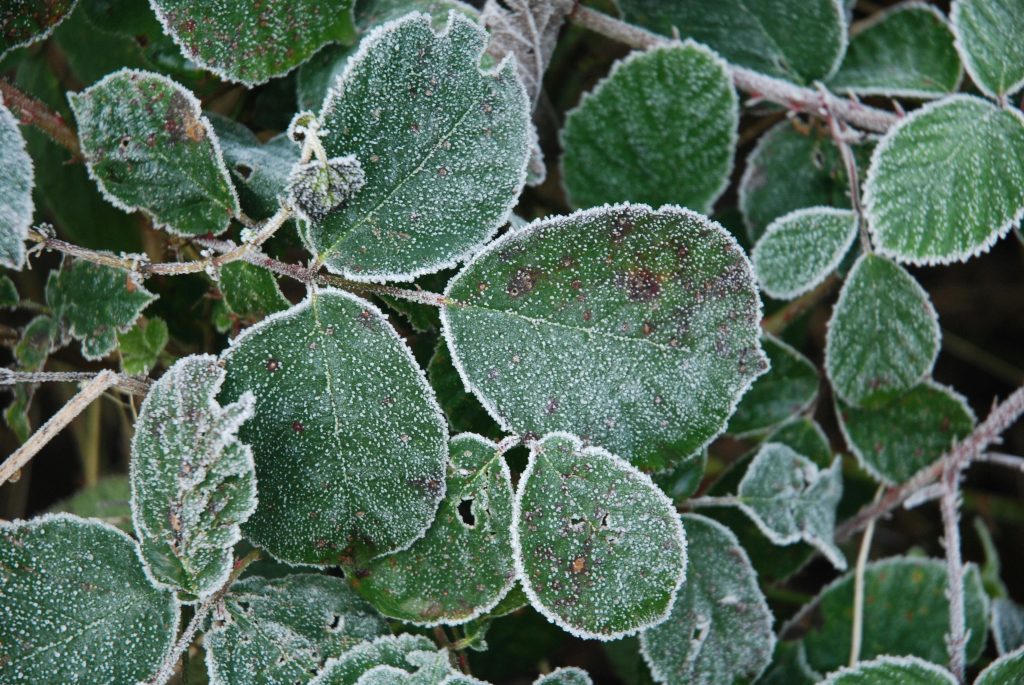
Best Way to Protect Plants During a Freeze
Discover effective ways to improve backyard drainage, reduce standing water, and prevent soggy grass and erosion for a healthier, more functional yard.
 When a freeze is in the forecast, plants don’t have the luxury of grabbing a jacket. Cold temperatures can damage leaves, stems, roots, and even kill sensitive plants if they’re not protected properly. The good news? With the right preparation, most landscape and garden plants can survive a freeze with minimal damage.
This guide breaks down the best ways to protect plants from a freeze, what actually works (and what doesn’t), and how to avoid common mistakes homeowners make.
Why Freezes Damage Plants
Freezing temperatures cause water inside plant cells to expand. When this happens too quickly or for too long, cell walls rupture, leading to blackened leaves, mushy stems, and long-term stress. Tender plants, new growth, and container plants are especially vulnerable.
Best Ways to Protect Plants From a Freeze
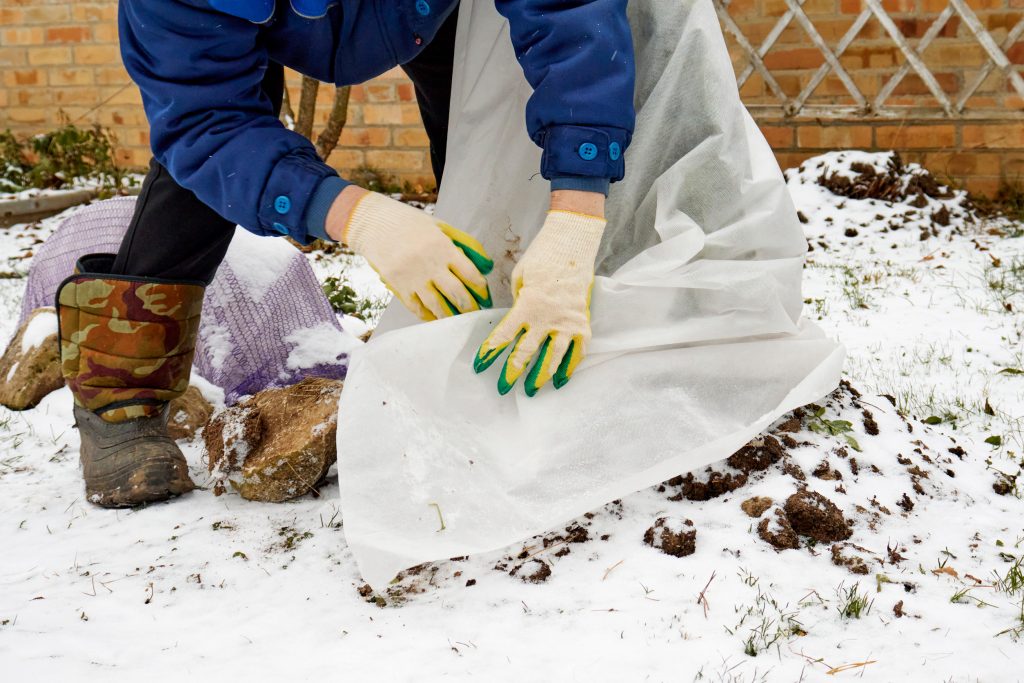
1. Cover Plants Correctly
Covering plants helps trap heat from the ground and shields them from frost.
Best materials to use:
- Frost cloth or plant blankets
- Old sheets or lightweight blankets
- Burlap
What to avoid: Plastic directly on plants—it can trap moisture and cause more freeze damage.
Pro tip: Make sure covers reach the ground and are secured so cold air doesn’t sneak in.
2. Water Before the Freeze
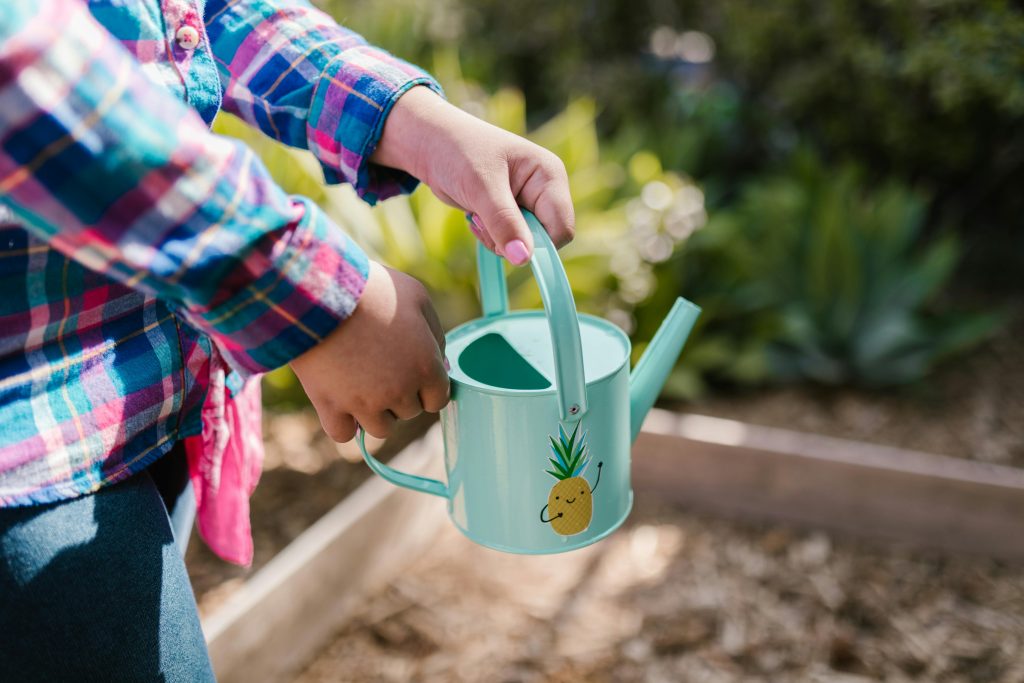
Moist soil holds heat better than dry soil. Watering plants a day before a freeze can help insulate roots and stabilize soil temperatures.
- Focus on the root zone
- Avoid watering leaves right before freezing temperatures
3. Mulch to Protect Roots
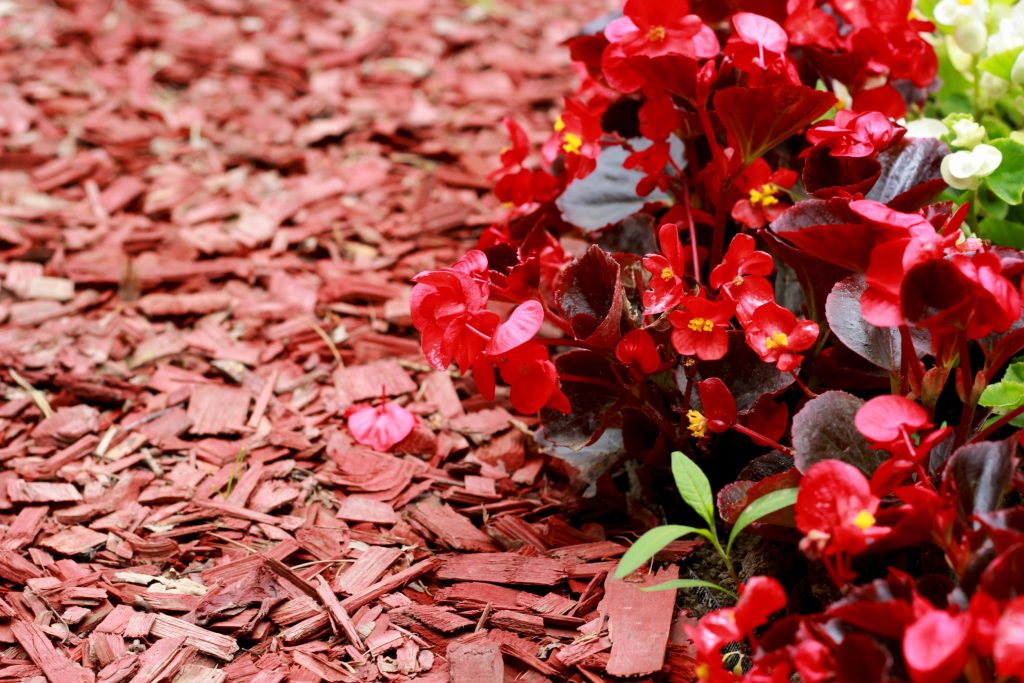
Mulch acts like insulation for plant roots.
- Apply 2–3 inches of mulch around the base of plants. Read our article about which color of mulch to use.
- Use wood chips, bark, straw, or shredded leaves
- Keep mulch slightly away from stems to prevent rot
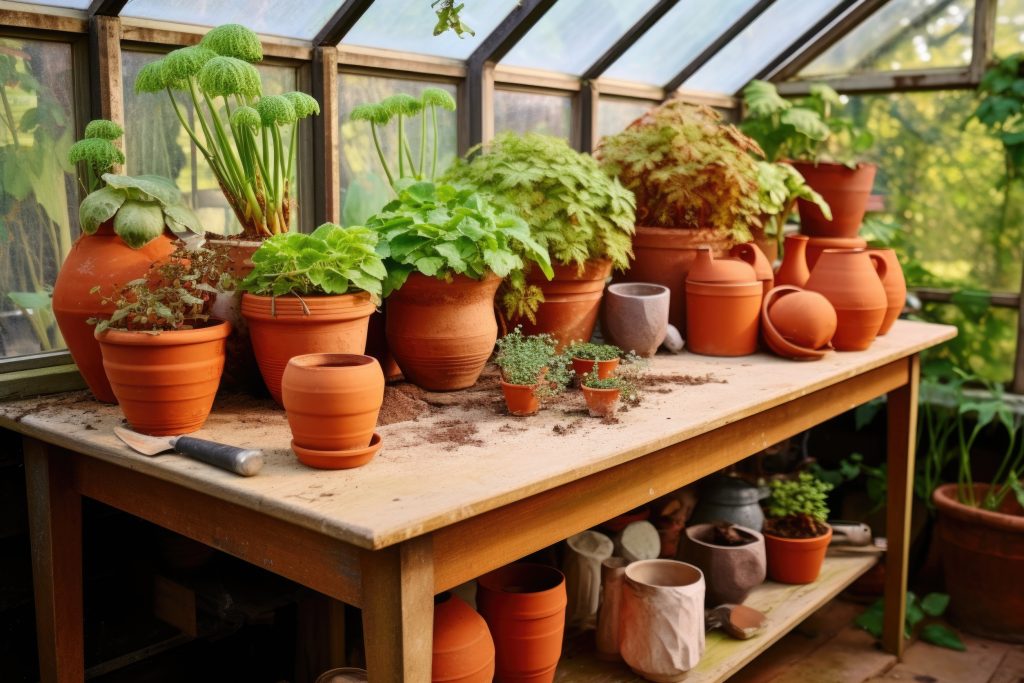
4. Move Potted Plants
Container plants are much more susceptible to freezing because their roots are above ground.
- Move pots into a garage, shed, or covered patio
- Group containers together to share warmth
- Elevate pots slightly to prevent cold transfer from concrete
5. Prioritize Which Plants to Protect
Not all plants need the same level of care.
Focus on:
- Tropical or subtropical plants
- Newly planted shrubs or trees
- Annual flowers
- Plants with active new growth
Established, cold-hardy plants often don’t need protection unless temperatures drop well below average.
Freeze Protection Methods at a Glance
| Protection Method Best For How It Helps Common Mistakes |
| Plant Covers | Shrubs, flowers, vegetables | Traps ground heat and blocks frost | Using plastic directly on plants |
| Mulch | Trees, shrubs, perennials | Insulates roots | Mulch piled against stems |
| Watering | All in-ground plants | Stabilizes soil temperature | Watering leaves right before freeze |
| Moving Containers | Potted plants | Prevents root freeze | Leaving pots exposed |
| Wind Barriers | Exposed landscapes | Reduces wind chill | Blocking airflow completely |
What Not to Do During a Freeze
❌ Don’t fertilize before or after a freeze—it encourages tender growth
❌ Don’t prune freeze-damaged plants immediately; wait until spring
❌ Don’t uncover plants too early in the morning if frost is still present
After the Freeze: What to Expect
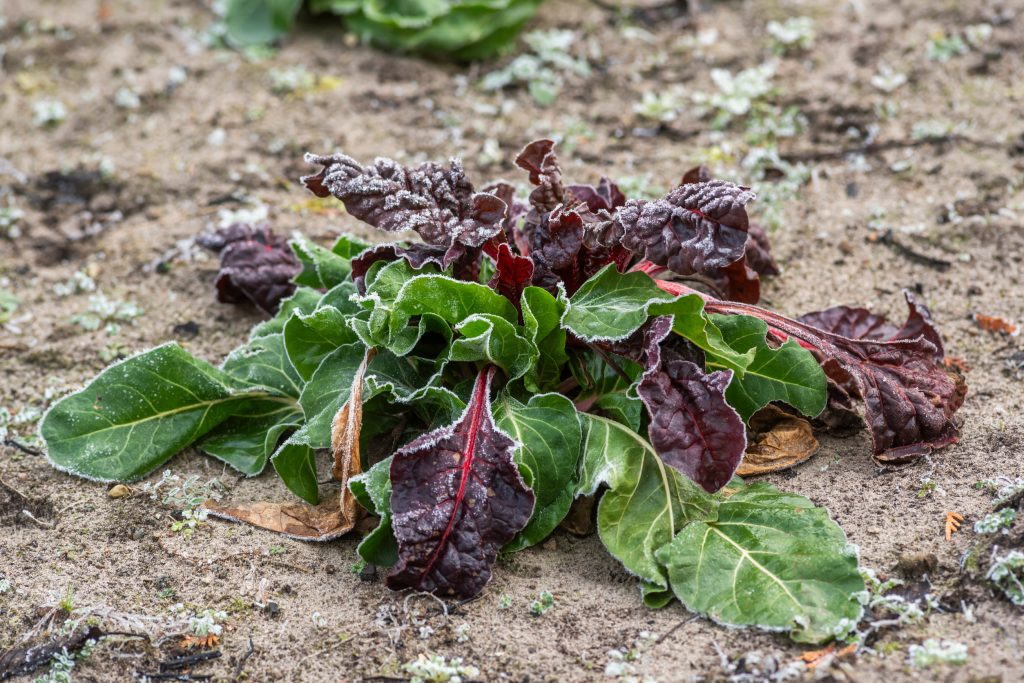
Some plants may look worse a few days after the freeze than they did immediately after. This is normal. Leaves may wilt, darken, or drop, but roots are often still alive. Avoid panic pruning—wait until warmer weather to assess true damage.
Final Thoughts
The best way to protect plants from a freeze is early preparation and proper technique. Covering plants correctly, mulching roots, watering ahead of time, and moving containers can make the difference between minor cosmetic damage and total plant loss. With the right approach, most landscapes recover quickly once temperatures rise.
Don’t let a sudden freeze damage your garden— contact us for help with landscaping design and installation services.
FAQ about Protecting Plants During a Freeze
How to protect your plants during a freeze?Cover plants with frost cloth, blankets, or other insulating materials, and water the soil beforehand to retain heat; bring potted plants indoors if possible.
Is cloth or plastic better to cover plants from frost?Cloth is better because it allows air circulation and prevents condensation, while plastic can trap moisture and freeze onto the plant, causing damage.
Can I cover plants with garbage bags for one night?Yes, in a pinch you can use garbage bags, but make sure they don’t touch the foliage and weigh them down to prevent them from blowing away; add some straw or newspaper for insulation.
What can I use instead of fleece to protect plants?You can use old blankets, sheets, burlap, cardboard, or even towels to protect plants from frost, making sure to remove them during the day to prevent overheating.
 M Valdivia
As a seasoned content manager with a background in education and human development, I bring a unique perspective to lawn care and landscaping topics. For the past four years, I've specialized in creating clear, helpful, and research-backed content for homeowners across North Texas and beyond. While I don’t have a landscaping degree, I collaborate closely with lawn care professionals to ensure every article is accurate, practical, and easy to follow.
Request a Free Quote
Get a customized estimate for your project.
Get Free Quote (972) 571-7899Why Choose Us
- 20+ years experience
- Licensed & insured
- Free estimates
- 100% satisfaction guarantee
- Locally owned & operated
Service Areas
Frisco, Plano, McKinney, Dallas, Allen, Carrollton, Melissa, Lewisville, Grapevine, Little Elm, The Colony, Prosper, Celina, Castle Hills, Fort Worth
Ready to Get Started?
Contact us today for a free estimate on your project.