

What Does it Mean to Propagate a Plant?
What does it mean to propagate a plant? Learn how plant propagation works and explore common methods for growing new plants from cuttings, seeds, division, and more.
 If you’ve ever admired a plant and wished you could have more of them without buying new ones, propagating plants is the way to go. But what does it actually mean to propagate a plant, and how can you do it successfully at home? Let’s break it down.
Understanding Plant Propagation
Plant propagation is the process of creating new plants from existing ones. Instead of starting from seeds, which can take months or years to grow, propagation uses parts of the parent plant—like leaves, stems, or roots—to produce genetically identical offspring.
Real-world tip: Many popular houseplants, like pothos, snake plants, and succulents, are easy to propagate at home. I personally doubled my indoor plant collection in one summer just by propagating cuttings in water and soil!
Why Propagate Plants?
Propagation isn’t just a fun hobby—it has real-world benefits:
- Cost savings: Instead of buying new plants, you can multiply the ones you already own.
- Preserving rare plants: Propagation allows gardeners to keep unique or heirloom varieties alive.
- Gifting and sharing: Propagated plants make personal and thoughtful gifts.
- Faster growth: Many propagated plants mature more quickly than those started from seeds.
Common Propagation Methods
There are several ways to propagate plants, depending on the species and your experience level. Here’s a breakdown:
| Method How It Works Best For Real-World Tip |
| Stem Cuttings | Cut a healthy stem and root it in water or soil | Pothos, Monstera, Coleus | Use rooting hormone for faster success |
| Leaf Cuttings | Place a leaf or part of it in soil or water until roots form | Succulents, African violets | Patience is key—some leaves take weeks to root |
| Division | Separate a mature plant into smaller sections with roots | Ferns, Peace lilies, Hostas | Keep roots moist during the process |
| Layering | Bend a stem to the ground and cover with soil until roots form | Philodendrons, Roses | Leave the original plant undisturbed for continuous growth |
| Seed Propagation | Grow new plants from seeds | Vegetables, annual flowers | Make sure seeds are fresh and follow species-specific instructions |
Tips for Successful Propagation
- Choose healthy parent plants: Start with a disease-free, vigorous plant for the best results.
- Monitor water and light: Most cuttings need bright, indirect light and consistent moisture—but avoid waterlogging.
- Be patient: Some plants root in days, others in weeks or months. Don’t give up too soon.
- Label your cuttings: If you’re propagating multiple varieties, labeling helps avoid confusion.
- Use clean tools: Prevent disease by sterilizing scissors or knives before cutting.
Real-world tip: I once had a pothos cutting that sat for three weeks without roots. By moving it to a slightly warmer spot with indirect sunlight, it started producing roots the next week—showing the importance of observing and adjusting conditions rather than abandoning cuttings too soon.
When to Propagate Plants
The timing depends on the plant type:
- Spring and early summer are ideal for most houseplants and perennials because growth is active.
- Late summer to fall may work for hardy plants, but growth may slow.
Real-world insight: Many gardeners find that propagating in the spring not only leads to faster root growth but also gives the new plants a head start before the colder months.
Easiest Plants to Propagate (Beginner-Friendly)
These plants root quickly and have a high success rate, even for first-time gardeners.
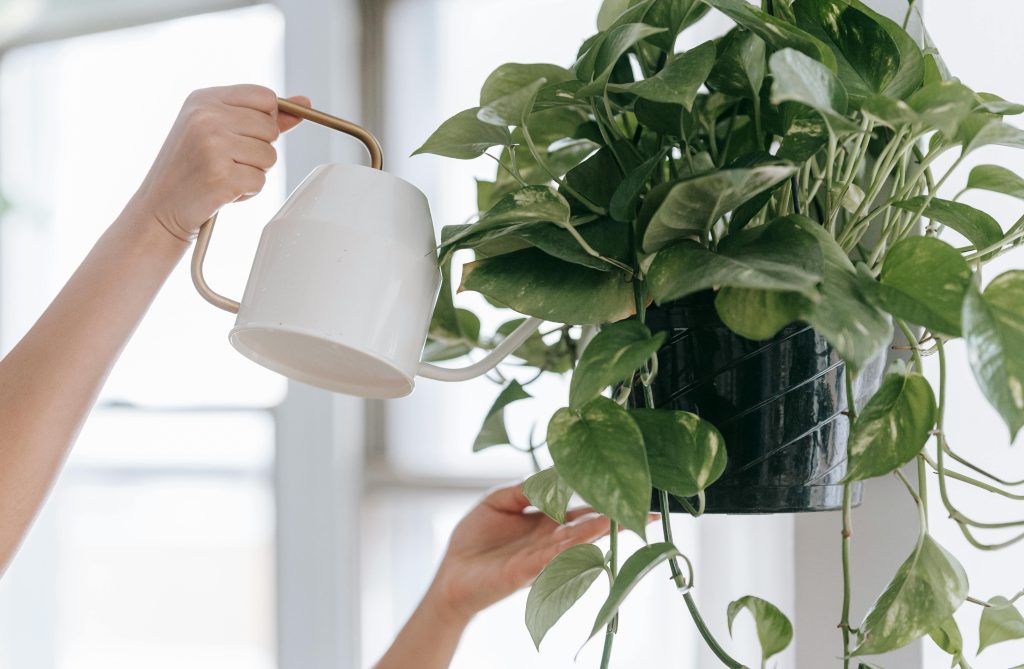
PothosOne of the easiest houseplants to propagate in water or soil. Cut below a node and roots usually appear within 1–2 weeks.
Spider PlantProduces “baby” offshoots that can be rooted almost effortlessly in water or soil.
Philodendron (Heartleaf varieties)Very forgiving and fast-rooting, especially in water with bright indirect light.
Snake Plant (Sansevieria)Can be propagated from leaf cuttings or division, though it takes longer than vining plants.
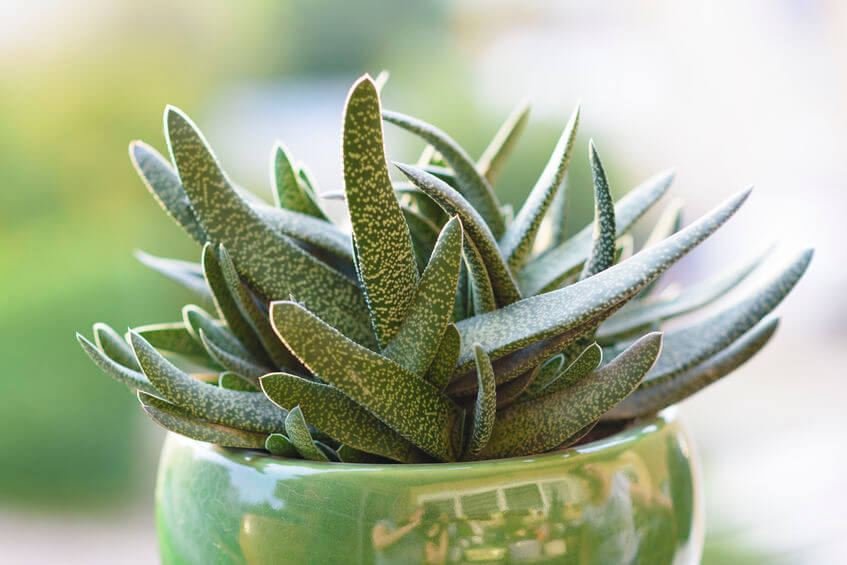
Succulents (Jade, Echeveria)Many succulents propagate from individual leaves when placed on dry soil and lightly misted.
Herbs (Mint, Basil, Rosemary)Mint and basil root quickly in water; rosemary takes longer but is still reliable.
Real-world tip: If you want fast wins, start with pothos or spider plants—they show visible root growth quickly, which builds confidence.

Plants That Are Difficult or Not Suitable to Propagate from Cuttings
These plants either require seeds, bulbs, tubers, or specialized propagation methods.
Plants Grown from Seeds
- Carrots
- Corn
- SunflowersThese plants do not regrow true-to-type from cuttings.

Bulb and Tuber Plants
- Tulips
- Daffodils
- OnionsThey propagate through bulbs, not stem or leaf cuttings.

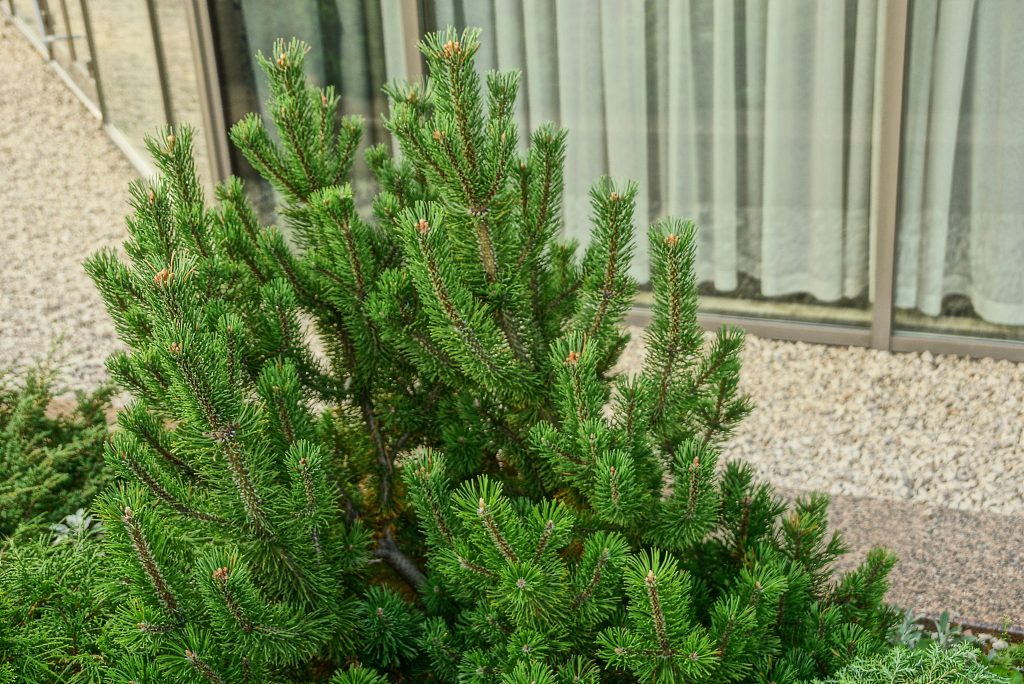
Woody Trees & Shrubs (Without Special Care)
- Oak
- Maple
- PinePropagation is possible only with grafting, layering, or professional techniques.
Hybrid Plants
- Some hybrid roses
- Many flowering annualsCuttings may grow, but won’t produce identical flowers or traits.
Plants with Single Growth Points
- Palms
- Cacti with a single crownRemoving the growth point usually kills the plant.
Why Some Plants Can’t Be Propagated Easily
Propagation success depends on whether the plant can produce adventitious roots—roots that grow from stems or leaves. If a plant lacks this ability, cuttings simply won’t survive.
Final Thoughts
Propagating plants is both an art and a science. With the right method, patience, and care, you can turn a single plant into dozens. Beyond saving money and expanding your plant collection, propagation fosters a deeper connection to your garden and home greenery.
Whether you’re a beginner or a seasoned plant parent, understanding propagation opens up a world of possibilities—one cutting, leaf, or division at a time.
Love the idea of new plants but not the trial-and-error? Skip the propagation and let JC’s Landscaping handle the planting and landscape installation—so you get healthy, established plants without the guesswork.

FAQ About Propagating Plants
Where to cut to propagate?Make your cut just below a node (the point where leaves or stems grow), as nodes contain the cells most likely to develop roots.
Can you grow any plant from a cutting?No—while many plants propagate easily from cuttings, some require seeds, division, or grafting to reproduce successfully.
How to successfully propagate indoor plants?Use clean tools, cut healthy growth, provide bright indirect light, keep the medium slightly moist, and maintain warmth for consistent rooting.
How to propagate a plant into water?Place the cutting in clean water with the node submerged, change the water every few days, and move it to soil once roots are 1–2 inches long.
 M Valdivia
As a seasoned content manager with a background in education and human development, I bring a unique perspective to lawn care and landscaping topics. For the past four years, I've specialized in creating clear, helpful, and research-backed content for homeowners across North Texas and beyond. While I don’t have a landscaping degree, I collaborate closely with lawn care professionals to ensure every article is accurate, practical, and easy to follow.
Request a Free Quote
Get a customized estimate for your project.
Get Free Quote (972) 571-7899Why Choose Us
- 20+ years experience
- Licensed & insured
- Free estimates
- 100% satisfaction guarantee
- Locally owned & operated
Service Areas
Frisco, Plano, McKinney, Dallas, Allen, Carrollton, Melissa, Lewisville, Grapevine, Little Elm, The Colony, Prosper, Celina, Castle Hills, Fort Worth
Ready to Get Started?
Contact us today for a free estimate on your project.