
Dollar Spot on Lawn: How to Identify and Get Rid Of
Learn how to identify dollar spot on your lawn, what causes this common turf disease, and the best ways to treat it and prevent it from returning.
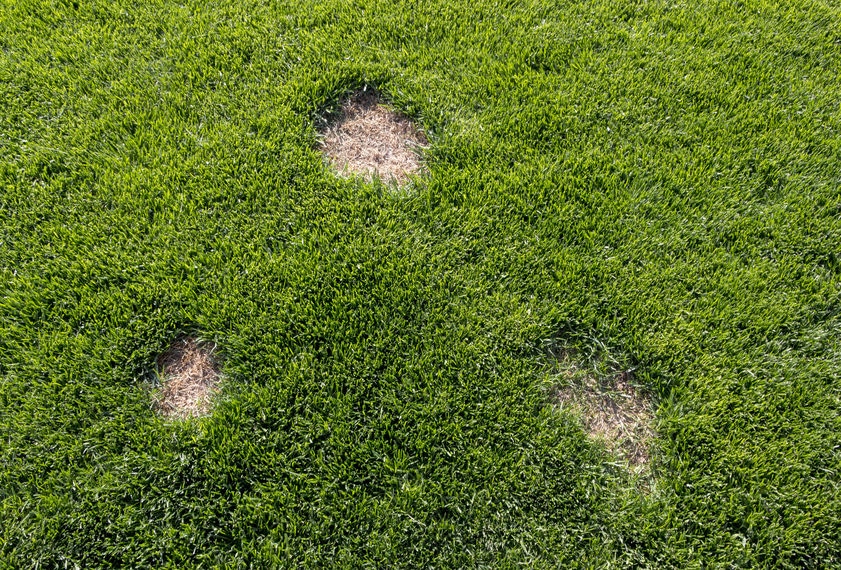
 You’ve been taking great care of your lawn—watering, mowing, fertilizing—but suddenly, you notice small, straw-colored patches about the size of silver dollars. What’s going on? Chances are, you’re dealing with dollar spot, a common lawn disease that can make even the healthiest turf look patchy and weak.
The good news? Dollar spot is treatable, and better yet, preventable. In this guide, we’ll cover: ✔ How to identify dollar spot (so you don’t confuse it with other lawn problems). ✔ What causes it (hint: weather and lawn care habits play a big role). ✔ How to get rid of it (both naturally and with fungicides). ✔ How to prevent it from coming back (because the best defense is a healthy lawn).
To identify and treat dollar spot lawn disease, look for small, round patches of tan or straw-colored grass and apply a nitrogen-rich fertilizer along with a lawn fungicide while improving watering and mowing practices. For a closer look at what causes dollar spot and how to get rid of it for good, keep reading below.
What Does Dollar Spot Look Like?
Dollar spot gets its name from the small, circular patches (1-3 inches wide) that appear on lawns—like someone dropped bleach spots on your grass. On closer inspection, you might see:Straw-colored or tan spots with reddish-brown edges.Blades with hourglass-shaped lesions (a dead giveaway).Patches merging into larger areas if left untreated.
Pro Tip: If you’re not sure whether it’s dollar spot or another issue (like brown patch or drought stress), try the “tug test.” Infected grass blades often pull out easily because the disease weakens them at the base.
Read about another type of fungus called leaf spot.
What Causes Dollar Spot?
This pesky fungus (Clarireedia jacksonii) loves: ☀ Warm days (70–85°F) and cool nights—common in late spring and early fall.High humidity or excessive moisture (overwatering, dew, or poor drainage).Weak or underfed grass (especially nitrogen-deficient lawns).
Did You Know? Stressed grass is more susceptible to disease. That’s why the best defense against dollar spot (and other lawn diseases) is a thick, healthy lawn. Regular maintenance—like proper mowing, watering, and fertilizing—can stop fungus before it starts.
(Need help keeping your lawn in top shape? Check out our Celina lawn care services for expert maintenance!)
How to Get Rid of Dollar Spot
1. Natural Fixes (For Mild Cases)
✅ Adjust watering: Water deeply but early in the morning so grass dries by nightfall. ✅ Mow higher: Keep grass at 3–4 inches to reduce stress and shade out fungus. ✅ Apply nitrogen: A light fertilizer boost helps grass outgrow the infection.
2. Fungicides (For Severe Cases)
If dollar spot keeps spreading, try:Organic options – Neem oil or Bacillus subtilis (a natural bacteria). ⚗ Chemical fungicides – Look for products with azoxystrobin or propiconazole.
Important: Always follow label instructions and reapply as directed.
Preventing Dollar Spot in the Future
The key to a fungus-free lawn? Strong, resilient grass. Here’s how to keep dollar spot away for good:Fertilize regularly – Balanced feeding keeps grass vigorous. ✂ Mow with sharp blades – Dull mowers tear grass, creating entry points for disease.Improve airflow – Trim overhanging branches and dethatch if needed.
Final Thought: Healthy Lawns Resist Disease
Dollar spot might be annoying, but it’s rarely a death sentence for your lawn. With the right care—proper watering, mowing, and feeding—you can stop it in its tracks. And if you’d rather leave the hard work to professionals?
Our Celina lawn care team specializes in keeping lawns lush, green, and disease-free. Let us handle the details while you enjoy a picture-perfect yard!
 M Valdivia
As a seasoned content manager with a background in education and human development, I bring a unique perspective to lawn care and landscaping topics. For the past four years, I've specialized in creating clear, helpful, and research-backed content for homeowners across North Texas and beyond. While I don’t have a landscaping degree, I collaborate closely with lawn care professionals to ensure every article is accurate, practical, and easy to follow.
Request a Free Quote
Get a customized estimate for your project.
Get Free Quote (972) 571-7899Why Choose Us
- 20+ years experience
- Licensed & insured
- Free estimates
- 100% satisfaction guarantee
- Locally owned & operated
Service Areas
Frisco, Plano, McKinney, Dallas, Allen, Carrollton, Melissa, Lewisville, Grapevine, Little Elm, The Colony, Prosper, Celina, Castle Hills, Fort Worth
Ready to Get Started?
Contact us today for a free estimate on your project.