
How To Kill Mushrooms In Lawn - Prevent Lawn Mushrooms
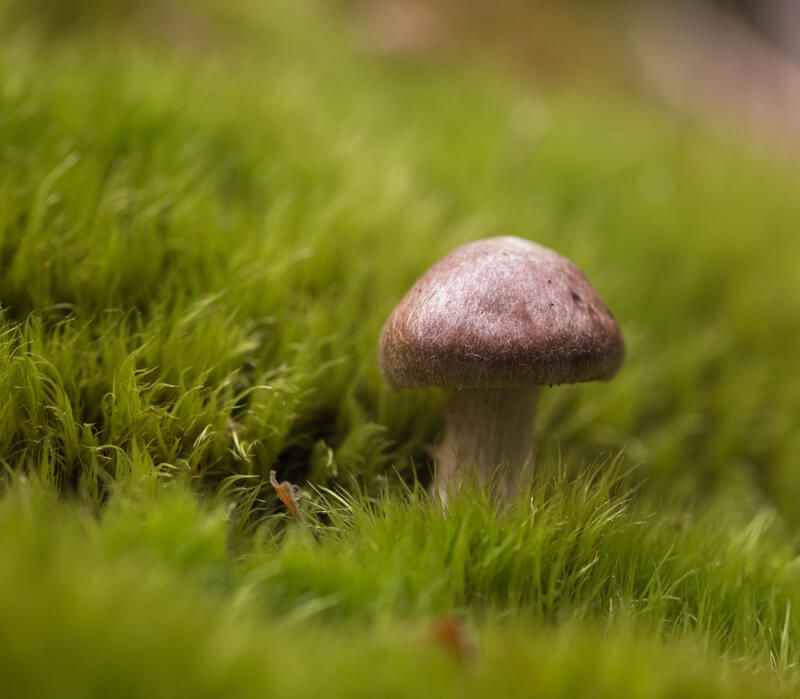
You cannot simply pluck the mushroom and have the problem solved. Mushrooms are a fungal organism and you may wonder how to kill mushrooms in lawn?
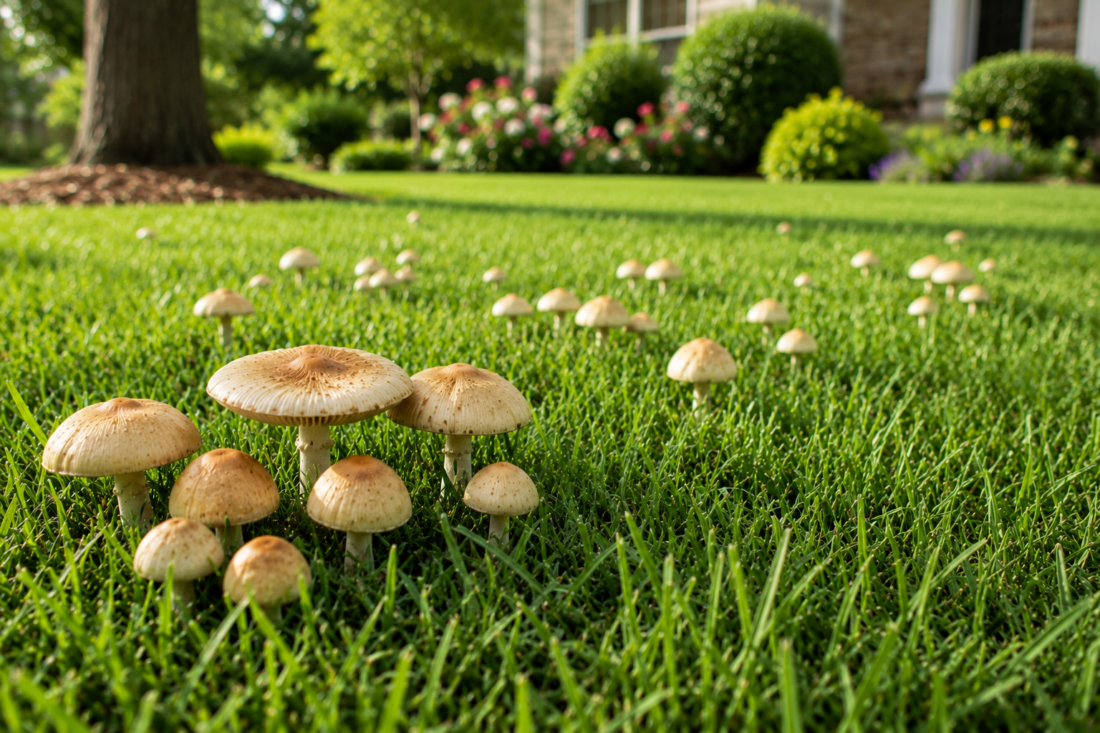
When you think of mushrooms, pizza toppings or a favorite recipe probably come to mind — not your front yard. But mushrooms popping up in your lawn are more common than you'd think, and while most are harmless to your grass, they can be an unsightly mess and, more importantly, a safety concern.
Several lawn mushroom varieties are toxic if ingested by children or pets.
The good news: mushrooms in your lawn are treatable. This guide walks through exactly how to remove them, prevent them from coming back, and understand why they're growing in the first place.
Why Are Mushrooms Growing in My Lawn?
Mushrooms aren't a plant problem — they're a fungal one. Unlike grass, mushrooms are a fungal organism, and the mushroom you see above ground is just the visible, reproductive part of a much larger fungal network living in your soil. That fungal network typically feeds on decaying organic matter underground, like old tree roots, buried wood, or thatch buildup.
Mushrooms tend to sprout when soil conditions are cool, damp, and rich in decaying material. That's why they show up more often after heavy rain or in shaded, poorly drained areas of the yard.
Key takeaway: You can't just pull a mushroom and call it solved. The mushroom cap is only a symptom — the fungus causing it lives underground, often out of reach of surface treatments.
Step-by-Step: How to Remove Mushrooms From Your Lawn
1. Remove Mushrooms as Soon as You Spot Them
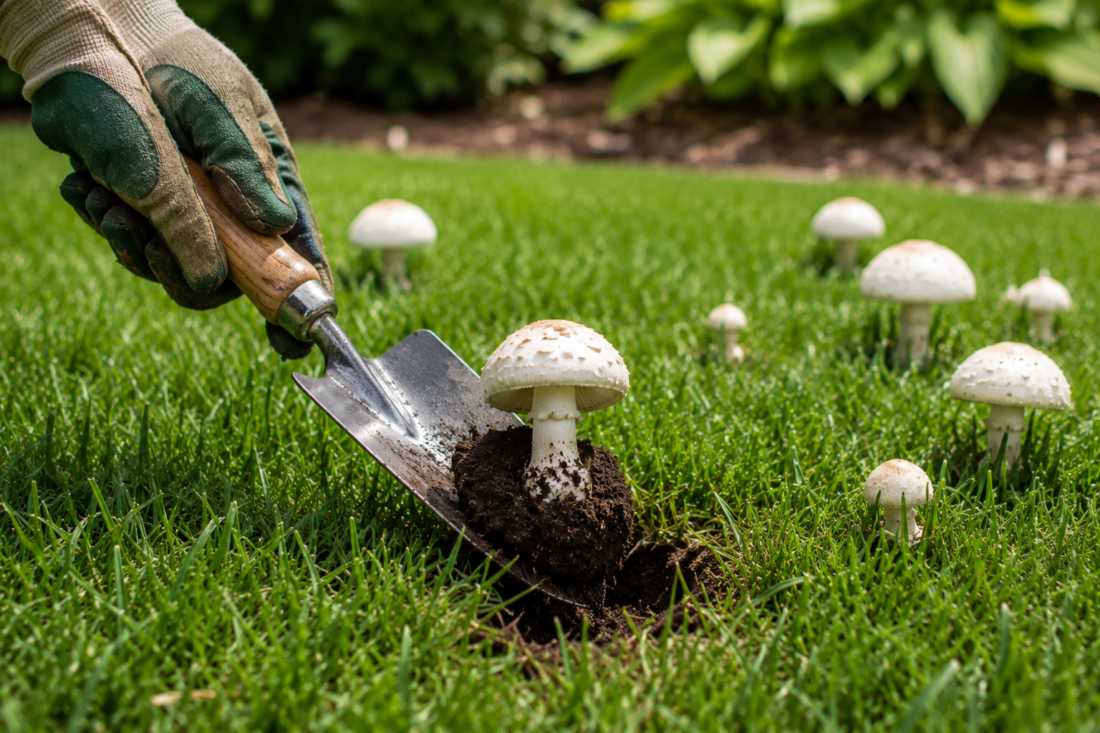
Mushrooms release spores to reproduce, and the longer they sit, the more spores spread across your lawn — leading to a bigger outbreak. Dig each mushroom up with a trowel or shovel, making sure to get the base of the cap and stem.
Important: Never mow over mushrooms. Mowing scatters spores across the entire lawn instead of containing them, which can turn a small patch into a lawn-wide problem. Read, Basic Lawn Mowing Tips for more expert advice on mowing and maintaining your lawn.
2. Dispose of Mushrooms Properly
Bag mushrooms immediately after pulling them from the ground. This prevents spores from spreading while you finish clearing the area.
Avoid tossing them in your compost pile. Composting doesn't kill the spores, and using that compost later can reintroduce fungus straight back into your soil.
3. Apply Fertilizer to Affected Spots
Fertilizing the area promotes healthy new grass growth and accelerates the decomposition of the organic matter feeding the fungus. Faster decomposition means there is less food available for mushrooms to keep growing.
4. Apply Fungicide for Larger Outbreaks
For persistent or widespread mushroom growth, a fungicide can help manage the outbreak. It's worth setting expectations here: fungicides don't kill existing mushrooms directly, since most of the fungal network lives underground where sprays can't reach it. Instead, they suppress further fungal growth over time.
Commercial-grade fungicides such as azoxystrobin or flutolanil are commonly used for larger infestations, but these typically require multiple applications and are best handled by a lawn care professional.
Mushroom Treatment Methods Compared
| Method What It Does Best For Limitations | |||
| Manual Removal | Digs up visible mushrooms with a trowel/shovel | Small, occasional outbreaks | Doesn't address underground fungus |
| Proper Disposal | Bags mushrooms to contain spores | Preventing spore spread | Must be done every time, not a standalone fix |
| Fertilizing | Speeds decomposition of organic matter | Ongoing prevention | Slower results; works best paired with other steps |
| Fungicide | Suppresses fungal growth over time | Large or recurring outbreaks | Doesn't kill mushrooms directly; needs repeat applications |
| Lawn Maintenance | Reduces moisture and organic debris | Long-term prevention | Won't resolve an active outbreak on its own |
Taking a Proactive Approach to Prevent Mushrooms
The best way to deal with lawn mushrooms is to make your lawn a less hospitable environment for fungus in the first place. A healthy, well-maintained lawn is significantly less likely to develop mushroom problems.
A few habits that help:
- Mow regularly to keep grass trimmed and reduce excess organic debris on the surface.
- Water properly — deep, infrequent watering rather than light daily watering, which keeps soil from staying damp for extended periods.
- Improve drainage in low-lying or shaded spots where water tends to pool.
- Remove buried debris, like old stumps or wood, when possible, since decaying wood is a common food source for the fungus.
Since the bulk of the fungus lives underground, beyond the reach of most surface-level treatments, prevention through good lawn maintenance is often more effective long-term than repeated fungicide treatments.

FAQ: Mushrooms in Your Lawn
Are mushrooms in my lawn bad for my grass? Most lawn mushrooms don't directly harm grass. In fact, they're often a sign that your soil is breaking down organic matter, which can be a normal part of a healthy soil ecosystem. The bigger concerns are appearance and the risk of toxicity to children or pets.
Are lawn mushrooms poisonous? Some are. Since it's difficult to tell toxic and non-toxic mushroom species apart without expert knowledge, it's safest to assume any lawn mushroom could be harmful and remove it promptly, especially in yards used by kids or pets.
Can I just mow over mushrooms to get rid of them? No. Mowing over mushrooms scatters their spores across your lawn, which can cause more mushrooms to grow rather than fewer. Always dig them up and dispose of them separately.
Will fungicide kill the mushrooms already growing in my lawn? Not directly. Fungicides target the fungal network living underground to slow future growth, but they won't eliminate mushrooms that have already sprouted. Those need to be manually removed.
How long does it take to get rid of lawn mushrooms for good? It depends on the size of the underground fungal network and how much decaying organic matter is feeding it. Small outbreaks can often be managed within a few weeks of consistent removal and lawn care. Larger or recurring outbreaks may take a full season of treatment, especially if fungicide applications are involved.
What causes mushrooms to keep coming back in the same spot? Recurring mushrooms usually mean there's still a food source underground, such as decaying roots, buried wood, or thick thatch, along with consistently damp soil conditions. Addressing the moisture and organic debris is key to stopping the cycle.
Should I hire a professional for a mushroom problem? For occasional mushrooms, DIY removal and lawn care are usually enough. For large, recurring, or widespread outbreaks, a professional can apply commercial-grade fungicide correctly and identify underlying moisture or drainage issues contributing to the problem.
Request a Free Quote
Get a customized estimate for your project.
Get Free Quote (972) 571-7899Why Choose Us
- 20+ years experience
- Licensed & insured
- Free estimates
- 100% satisfaction guarantee
- Locally owned & operated
Service Areas
Frisco, Plano, McKinney, Dallas, Allen, Carrollton, Melissa, Lewisville, Grapevine, Little Elm, The Colony, Prosper, Celina, Castle Hills, Fort Worth
Ready to Get Started?
Contact us today for a free estimate on your project.