
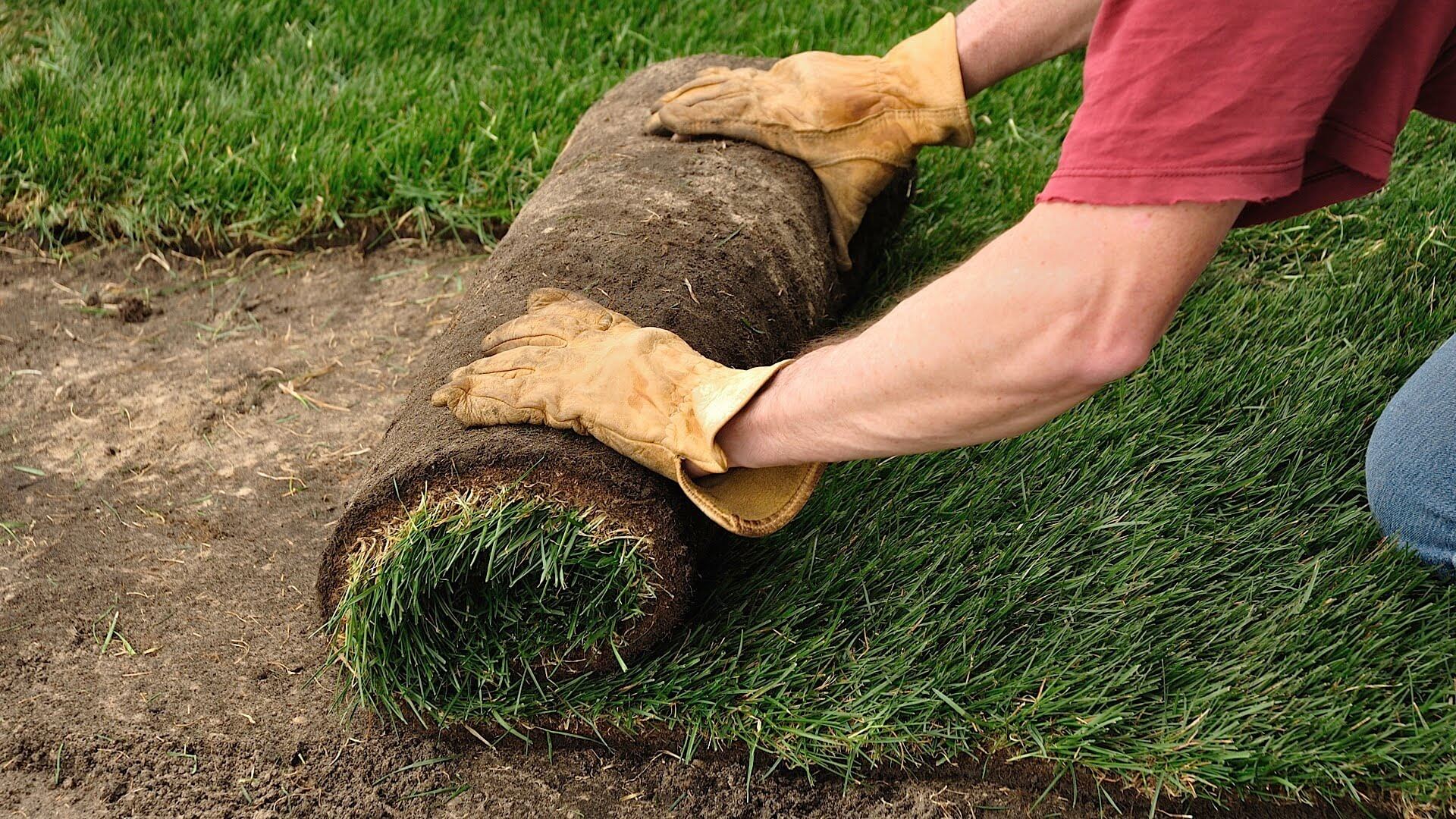
Can Sod be Laid in Winter? Learn the Pros and Cons
Can sod be laid in the winter? While cooler temperatures can make sod installation more challenging, it may still be possible under the right conditions. Learn how winter weather affects new sod, when installation makes sense in North Texas, and how proper preparation and care can help your new lawn establish successfully.
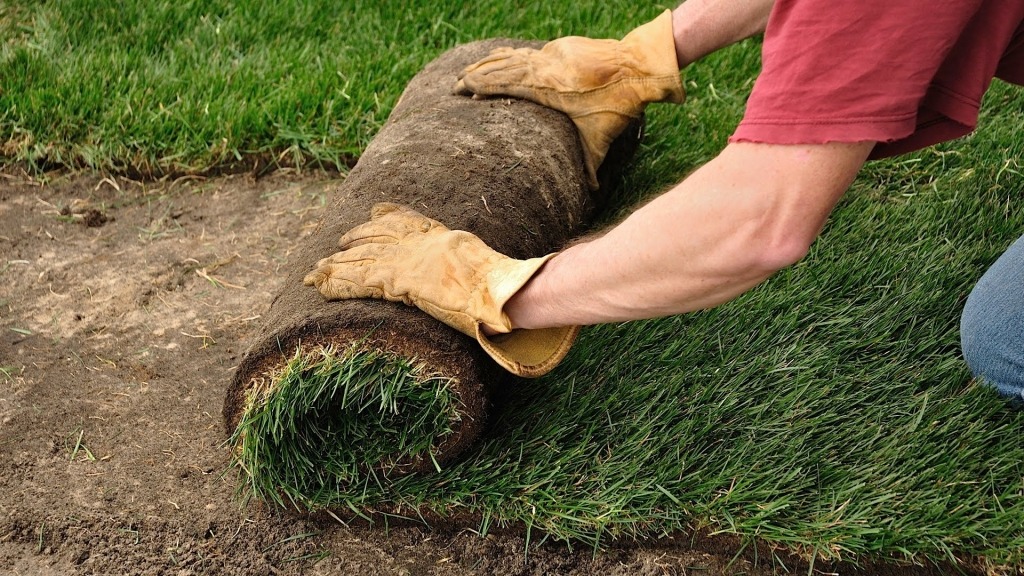
As winter comes to a close, most homeowners are aware that now is a good time to begin preparing your yard for spring. We still have the potential for one or two more hard freezes here in North Texas, so when is it safe to lay new sod?
The truth is, if you’re wondering whether sod can be laid in the winter, many experts actually suggest it’s possibly a better idea than doing so in the heat of summer. To be honest, a brief and mild freeze is less damaging to developing roots and buds that several consecutive days of 90 degrees or higher.
Sod Solutions (2024) although some people worry that the cold weather will harm the roots of newly laid sod, the truth is that more sod is lost to heat stress in the summer than to winter freezes. During winter, sod roots can still slowly develop, giving your lawn a head start when spring arrives.
Let’s take a look at the pros and cons of laying sod in the winter:
The Pros of Laying Sod in Winter
- Less Competition for Sod Installation Services Winter is typically the off-season for landscaping services, which means contractors often have more availability. This can make scheduling easier and possibly even more affordable.
- Dormant Sod Can Still Establish Roots In many cases, sod goes dormant during winter, especially cool-season grasses. While the top growth may not be visible, the roots can still begin to establish themselves in the soil, preparing for a strong start in the spring.
- No Need for Constant Watering Winter’s cooler temperatures reduce evaporation, so your newly laid sod will require less frequent watering compared to the hot summer months. This can save you time and lower your water bill.
- Get a Head Start on Spring By laying sod in winter, you can enjoy a lush, green lawn as soon as the growing season begins, without having to wait for installation in the busy spring months.
The Cons of Laying Sod in Winter
- Slower Root Growth Cold temperatures slow down the rooting process. In extreme cases, if the ground freezes, the sod cannot take root until the soil thaws, potentially delaying establishment.
- Risk of Sod Dying If not properly installed or maintained, sod can dry out or die before it has a chance to root. Winter weather conditions like frost, snow, or excessive rainfall can exacerbate these risks.
- Harder Ground Conditions Frozen or compacted soil can make the installation process more difficult. Preparing the ground properly in winter may require extra time and effort.
- Limited Grass Type Options Some grass types, like warm-season grasses, don’t perform well when laid in winter. You’ll need to choose a type of sod that can handle colder temperatures, which might limit your options.
Don’t Fear the Freeze
The thing is, brief and intermittent freezes in the late winter really don’t pose any threat to the longevity and well-being of your sodgrass. Why? Because it has already sprouted and established itself in a sturdy, healthy layer of topsoil before it ever made its way to your yard.
Some fear that the established root system in a bed of sod will freeze if it’s laid during the winter. The turth is, a brief cold snap is far less harmful to a budding root system than a week straight of 90 degrees Fahrenheit. The main point is to be sure you aren’t laying sod in the middle of a freeze.
Grass Types
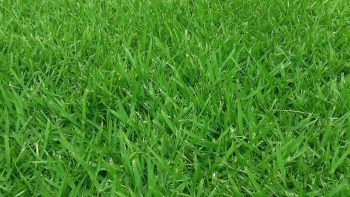
Here in North Texas, we have 3 different grass types that are known to be the hardiest and most popular. They include Bermuda grass, Zoysia grass, and St. Augustine grass. Thankfully, all three of these are known to show resilience in the face of a winter frost.
Here at JC’s Landscaping, these are the three grass types we carry most frequently for laying sod.
What’s important to remember is that warm weather grasses, such as the three mentioned above, don’t necessarily “die” in the winter. More accurately, they simply go dormant. Cool weather grasses are those which are so thoroughly cold-hardy that they are able to continue sprouting even in very cold temperatures. For milder agricultural zones such as zones 8-11, both grass types are safe for laying sod in the winter.
Learn how JC’s Landscaping can help: visit our Sod Installation service page.

Caring for Sod Laid in Winter
One thing to keep in mind is that freshly laid sod needs more frequent watering at first, in order to encourage the roots to grow. Be sure you’re providing adequate moisture, and again- aim for the days when both the air temperature and ground temperature are above freezing.
The nice thing about laying sod in the winter is that there is no immediate need for fertilizers or herbicides. Simply let the root system settle into the ground, and give it adequate water while the blades themselves remain dormant.
Another important factor to consider is that un-installed sod can become brittle and difficult to unroll if it’s frozen. This condition won’t hurt the grass itself, but you do face a risk of damaging the pallet itself.
Because sod contracts slightly when it is cold, you may need to occasionally pull the sections toward each other as they warm up. This way, the gaps will close as the topsoil becomes more moist and pliable.
Tips for Laying Sod in Winter
If you decide to proceed with sod installation during the winter, here are some tips to maximize success:
- Choose the Right Grass: Opt for cold-tolerant grass types such as fescue or bluegrass.
- Prepare the Soil Properly: Ensure the ground is tilled, aerated, and leveled before installation.
- Monitor Moisture Levels: While watering needs are lower, sod still requires moisture to avoid drying out.
- Protect Against Frost: If frost is in the forecast, cover the sod with a breathable material to prevent damage.
Conclusion
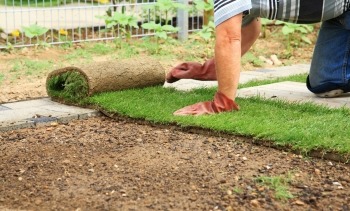
So, can sod be laid in winter? The answer is yes, but with some important considerations. Winter sod installation comes with its benefits, such as reduced competition for services and less watering. However, it also has its challenges, including slower root growth and potential weather-related risks. By weighing the pros and cons and taking proper precautions, you can determine if laying sod in winter is a good choice for your lawn.
If you’re unsure or need professional advice, consulting with a landscaping expert can help ensure your sod installation is a success—no matter the season!
References:
Sod Solutions. (2024, September 25). Can you lay sod in winter? Sod University | Sod Solutions. https://sodsolutions.com/landscape-diy/can-you-lay-sod-in-the-winter/?srsltid=AfmBOopmE7jaD204MiCBE1aG-m8MD1NBV6p5jUEam0R-clkS5BqGFDIU

Janice Nelson
Request a Free Quote
Get a customized estimate for your project.
Get Free Quote (972) 571-7899Why Choose Us
- 20+ years experience
- Licensed & insured
- Free estimates
- 100% satisfaction guarantee
- Locally owned & operated
Service Areas
Frisco, Plano, McKinney, Dallas, Allen, Carrollton, Melissa, Lewisville, Grapevine, Little Elm, The Colony, Prosper, Celina, Castle Hills, Fort Worth
Ready to Get Started?
Contact us today for a free estimate on your project.