

When to Mow New Sod & How to Do it Correctly
Knowing when to mow new sod is essential for helping newly installed grass establish strong roots without causing unnecessary stress. Learn how to tell when your new sod is ready for its first mowing, how much grass to remove, and what mowing practices can help your lawn develop into a healthy, established turf.
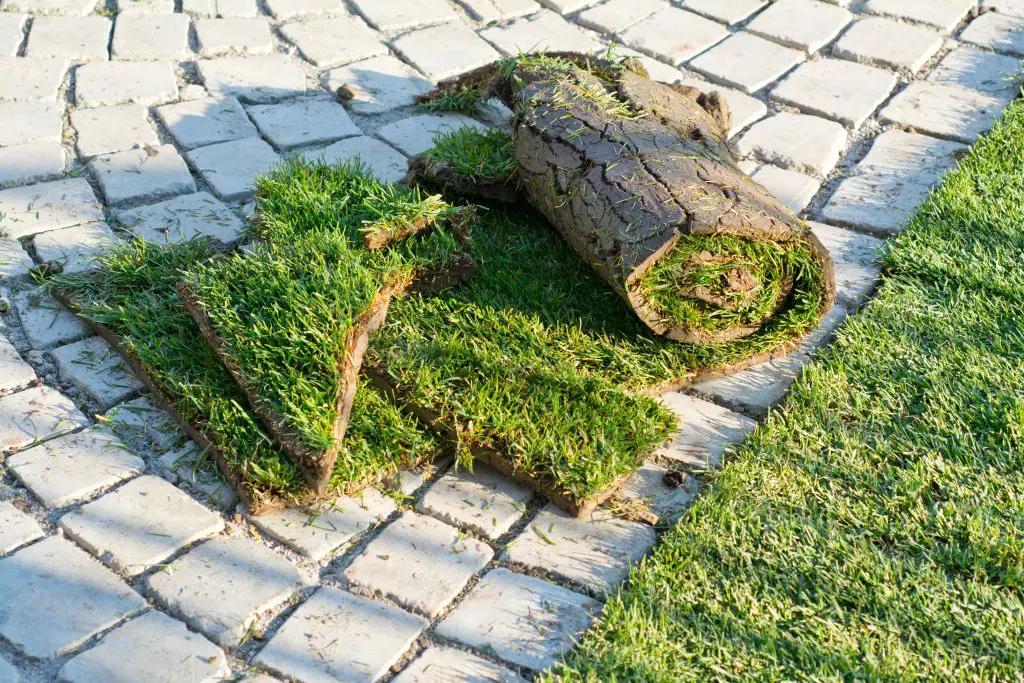
Mowing new sod requires careful attention to timing, technique, and equipment to ensure a healthy, vibrant lawn. Cutting too soon or using improper methods can damage the sod, hindering its ability to establish strong roots. Follow these expert tips to mow new sod without causing harm to your lawn.
Wait for the Right Time
Patience is key when it comes to mowing new sod. The sod needs time to establish its roots in the soil before it’s ready to be cut. Typically, you should wait about 2-3 weeks after installation before mowing. To test if your sod is ready, gently tug on a corner of the sod. If it resists and feels rooted, it’s safe to mow.
Novasack Turf Farm (2019) healthy and properly installed sod can start putting out green growth early, resulting in as lightly shaggy lawn that may seem to beg for mowing. Trying to keep recently installed sod short will only result in damaged or dead grass.
Ensure Proper Lawn Height
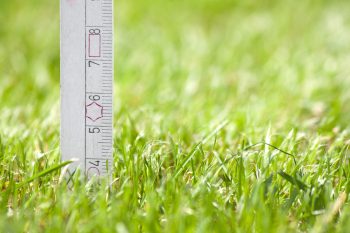
Before the first mow, allow the grass to grow to a height of about 3-4 inches. Cutting the grass too short too soon can stress the sod and prevent it from establishing a strong root system. Once the sod is rooted, aim to mow it to a height of about 2-3 inches, depending on the grass type.
Use Sharp Mower Blades
Dull mower blades can tear the grass instead of cutting it cleanly, which can cause stress and increase the risk of disease. Ensure your mower blades are sharp before the first mow. Sharp blades provide a clean cut, which helps the grass heal faster and promotes healthy growth.
Adjust Mower Height
Set your mower to the highest setting for the first mow. This reduces the amount of grass being cut and minimizes stress on the new sod. Gradually lower the mower height over subsequent mowings, but never cut more than one-third of the grass height at a time.
Mow When the Grass is Dry

Mowing wet grass can cause the mower to tear the grass blades, leading to an uneven cut and increased risk of disease. Wait until the grass is dry before mowing to ensure a clean, even cut. This also helps prevent soil compaction, which can hinder root growth.
Stop watering 1-2 days before the first mow to make sure grass is adequately dry.
Avoid Heavy Traffic
Limit foot traffic on your new sod before and after the first mowing to prevent soil compaction and root damage. Encourage family members and pets to stay off the lawn until the sod is well-established.
Monitor for Issues
After mowing, keep an eye on your sod for signs of stress or disease, such as yellowing or thinning areas. Address any issues promptly by adjusting watering schedules or consulting a lawn care professional if needed.
Regular Maintenance
Continue to mow regularly, keeping the grass at an optimal height for its specific type. Regular mowing encourages dense, healthy growth and helps prevent weeds from establishing. We are happy to help with your lawn care needs. Check out our Lawn Care McKinney service page.
Mowing Schedule for Different Seasons
Winter
If you get sod installed in winter in North Texas, you will likely mow for the first time in early spring, once the grass starts actively growing and has established roots. Typically, this occurs about 20-30 days after the sod has been laid, provided the weather warms enough to promote growth. Always check that the sod has rooted before the first mow by gently tugging on it.
Spring
If you get sod installed in spring in North Texas, you should mow for the first time about 2-3 weeks after installation. Ensure the sod has rooted properly by gently tugging on a corner to check for resistance.Summer
If you get sod installed in summer in North Texas, you might have to mow sooner than 3 weeks, depending on how fast your turf is growing. Check that the sod has established roots by gently tugging on a section; if it resists, it’s ready to mow. Ensure the grass has grown to about 3-4 inches before mowing, and aim to cut it down to about 2-3 inches to promote healthy root development and reduce stress from the summer heat.
Fall
In North Texas, if you install sod in the fall (typically around September to November), the first mowing will typically occur about 2 to 3 weeks after installation. This allows the sod to establish its roots and begin to knit into the soil.
General New Sod Mowing Tips
The exact timing will depend on the weather conditions and the type of sod installed. You should wait until the grass has grown enough to be a few inches tall and the root system is sufficiently established.
It’s also important to ensure the soil is not too wet or too dry when mowing for the first time. Regular watering during the rooting process is essential for successful establishment.
Hughes (2024) test the new turf by trying to lift it out of the soil. If it is firmly rooted in the native soil, you can mow. It’s a good idea to let the new grass grow to the high end of its recommended range before the initial mowing.
Final Thoughts
Mowing new sod without damaging it requires patience and attention to detail. By waiting for the right time, using the proper equipment, and following best practices, you can ensure your new lawn thrives. With careful maintenance, your new sod will establish strong roots and provide a healthy, vibrant lawn for years to come. Go to our Sod Installation service page to get scheduled for a sod installation today.
References:
Hughes, M. (2024, July 12) When is the best time to mow your lawn? Better Homes and Gardens. https://www.bhg.com/best-time-to-mow-lawn-8675052
Novasack Turf Farm. (2019, March 25). When is it time to mow a new sod lawn? Novasack Turf Farm. https://www.novasackturffarm.com/when-is-it-time-to-mow-a-new-sod-lawn

M Valdivia
As a seasoned content manager with a background in education and human development, I bring a unique perspective to lawn care and landscaping topics. For the past four years, I've specialized in creating clear, helpful, and research-backed content for homeowners across North Texas and beyond. While I don’t have a landscaping degree, I collaborate closely with lawn care professionals to ensure every article is accurate, practical, and easy to follow.Request a Free Quote
Get a customized estimate for your project.
Get Free Quote (972) 571-7899Why Choose Us
- 20+ years experience
- Licensed & insured
- Free estimates
- 100% satisfaction guarantee
- Locally owned & operated
Service Areas
Frisco, Plano, McKinney, Dallas, Allen, Carrollton, Melissa, Lewisville, Grapevine, Little Elm, The Colony, Prosper, Celina, Castle Hills, Fort Worth
Ready to Get Started?
Contact us today for a free estimate on your project.