
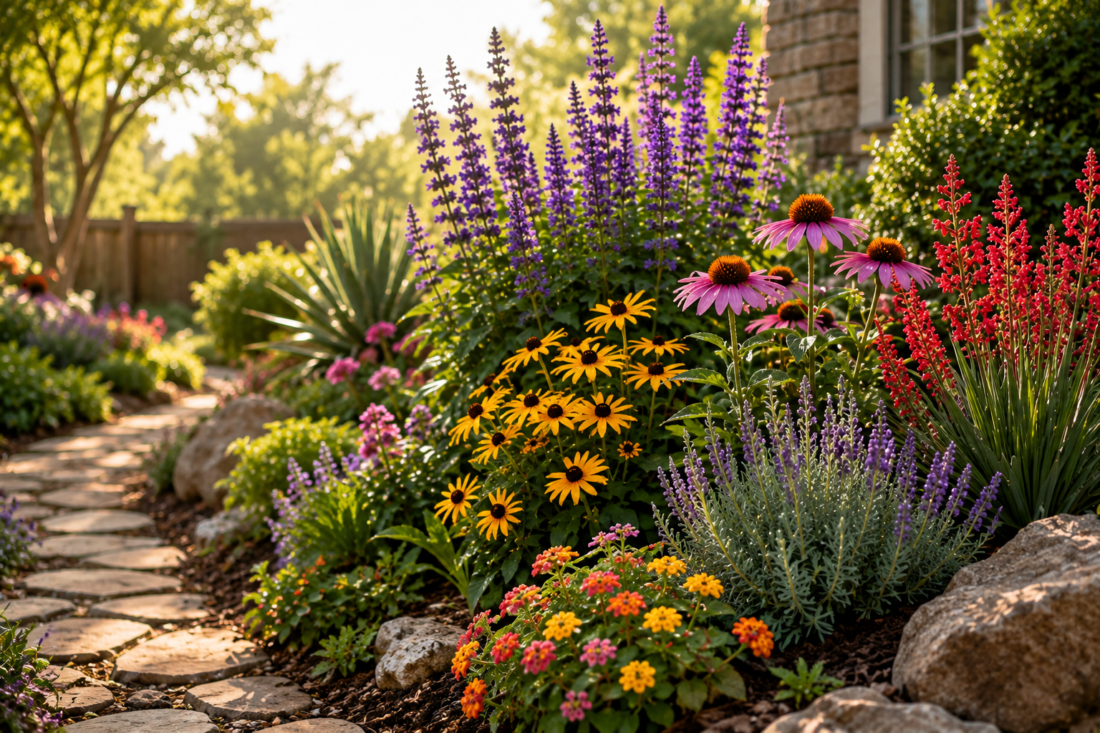
What Garden Plants Grow Well Together
Wondering what garden plants grow well together? Learn which flowers, shrubs, and perennials thrive side-by-side in North Texas landscapes, along with expert landscaping Frisco tips for creating a healthier, more beautiful garden.
Creating a beautiful garden isn't just about choosing plants you like—it's about choosing plants that thrive together. Companion planting and thoughtful landscape design improves plant health, reduces maintenance, attracts pollinators, and creates a more visually appealing outdoor space.
If you're planning a garden makeover or searching for a professional landscaping service in Frisco, understanding which plants grow well together can help you make smarter landscaping decisions and enjoy better long-term results.
Quick Answer: What Garden Plants Grow Well Together?
Plants that share similar sunlight, water, soil, and maintenance requirements typically grow well together. Some combinations also offer additional benefits, such as pest control, pollinator attraction, or improved soil health.
Popular garden plant pairings include:
- Salvia and Black-Eyed Susans
- Lantana and Mexican Heather
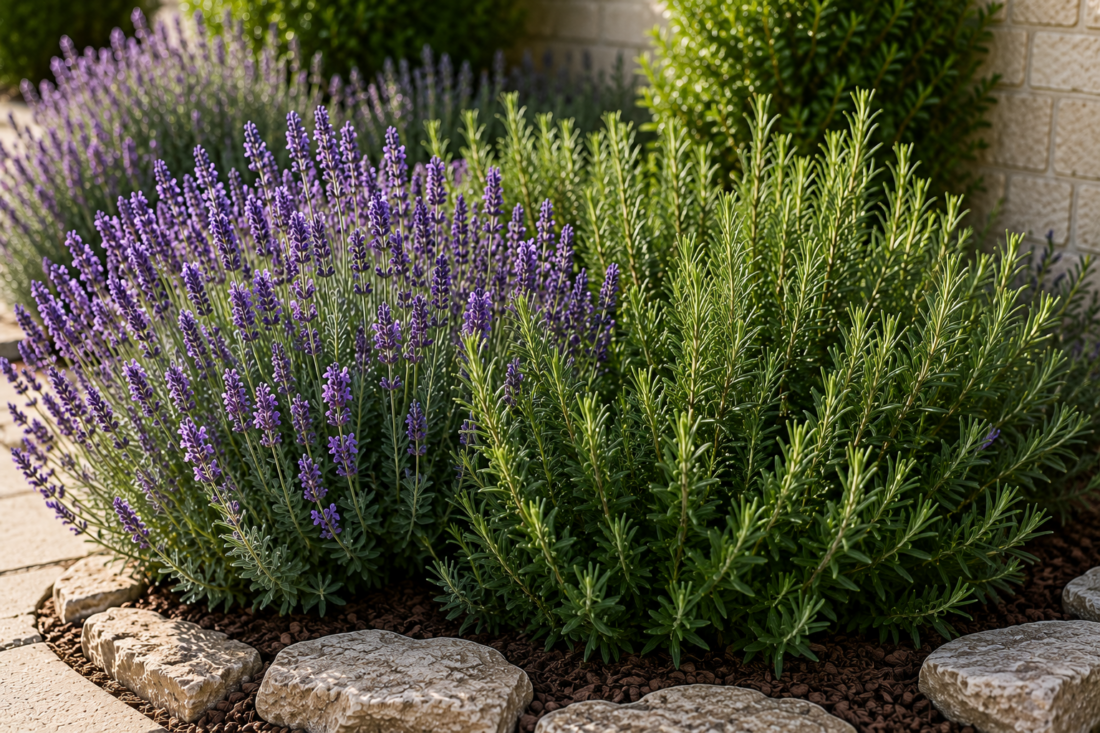
- Lavender and Rosemary
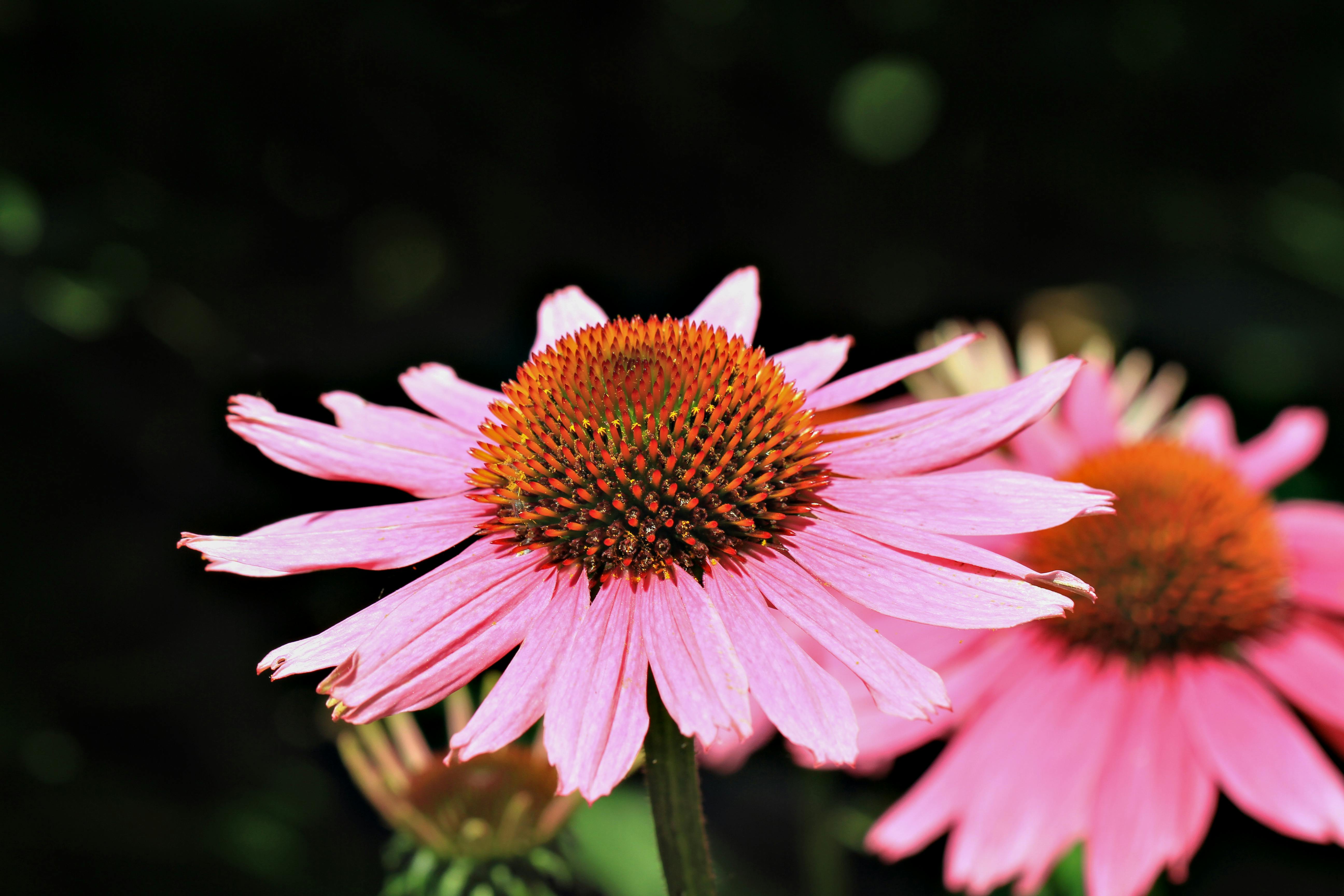
- Coneflowers and Yarrow
- Hostas and Ferns (for shade gardens)
- Roses and Catmint
- Texas Sage and Red Yucca
For North Texas landscapes, combining drought-tolerant plants is often the most successful approach.
Why Plant Pairing Matters
Many homeowners focus on appearance alone when selecting plants. However, grouping plants with similar growing requirements helps create healthier gardens that require less maintenance.
Benefits include:
- More efficient watering
- Reduced plant stress
- Improved disease resistance
- Better pest management
- Longer bloom periods
- Stronger overall landscape performance
A professional landscaping service can help ensure your landscape design includes plant combinations that thrive in Frisco's climate.
Best Companion Plants for North Texas Landscapes
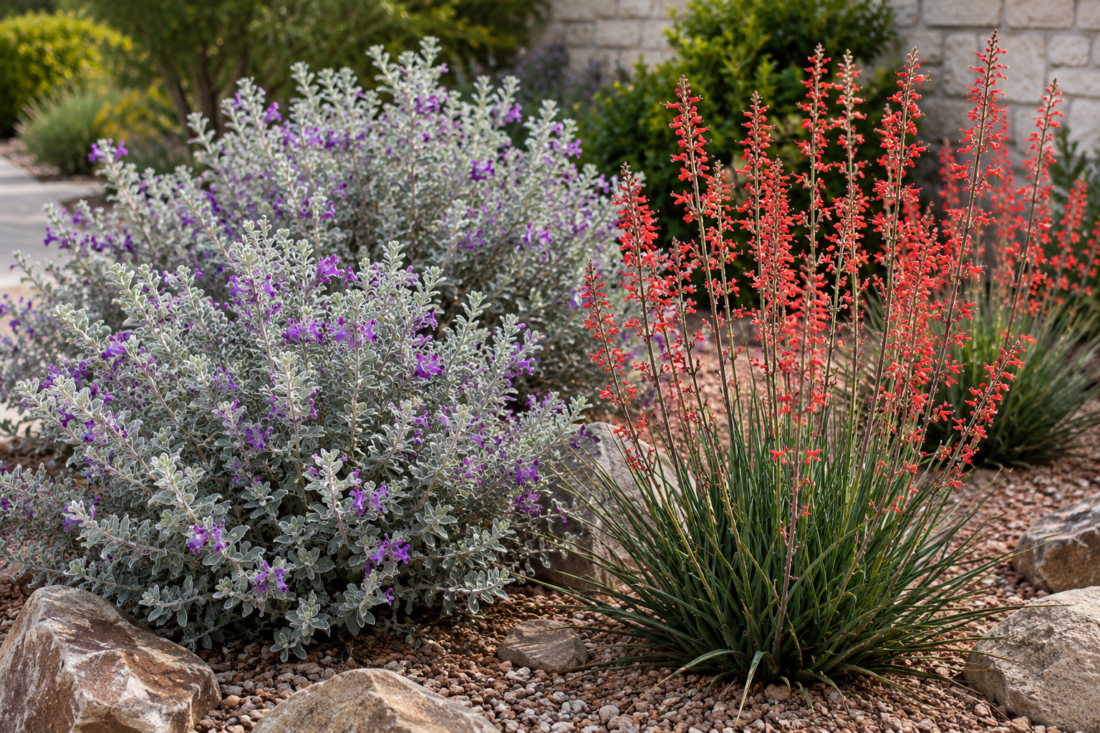
Texas Sage + Red Yucca
These two Texas favorites thrive in full sun and tolerate drought exceptionally well.
Benefits:
- Low maintenance
- Heat tolerant
- Attractive year-round
- Pollinator friendly
This combination works particularly well in xeriscape and water-conscious landscape designs.
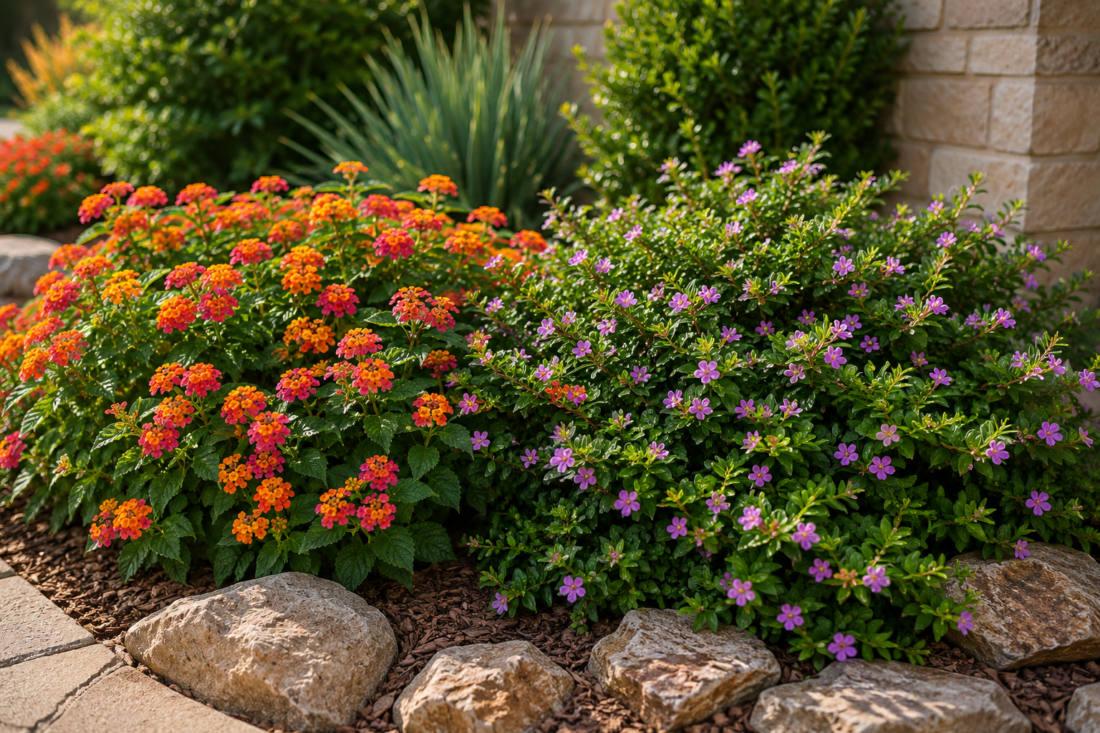
Lantana + Mexican Heather
Both plants provide vibrant color throughout the growing season and attract butterflies and pollinators.
Benefits:
- Long bloom periods
- Excellent heat tolerance
- Minimal maintenance
- Colorful landscape appeal
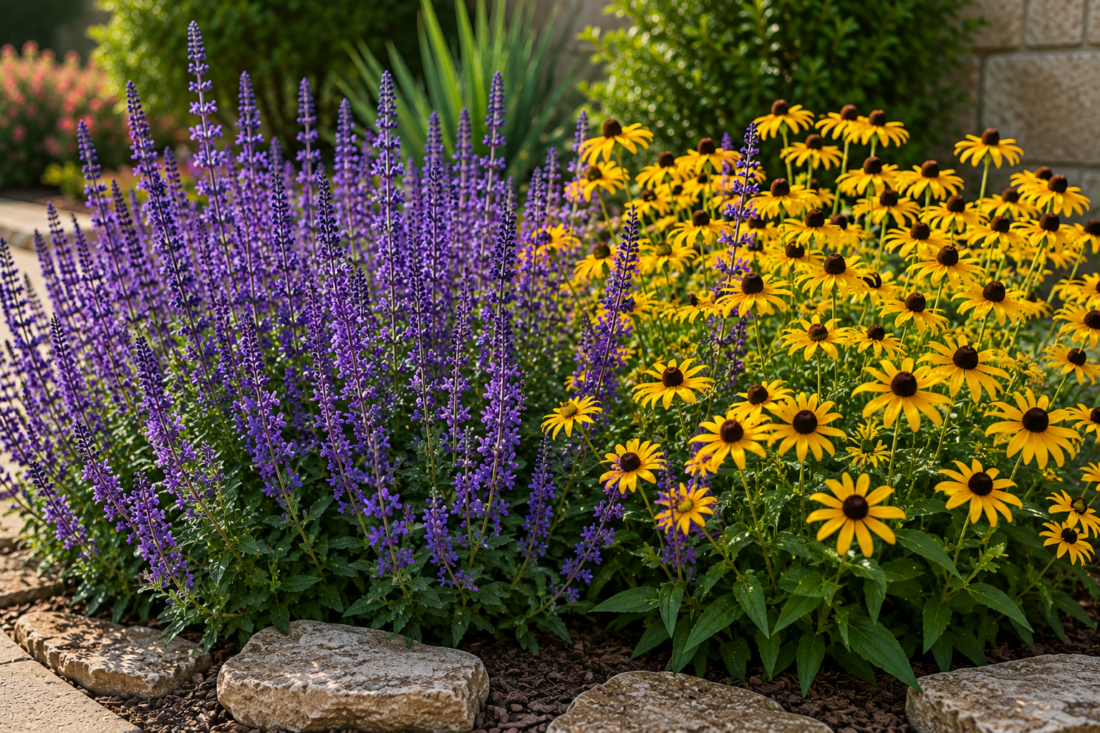
Salvia + Black-Eyed Susan
These flowering perennials create striking color combinations while attracting bees, butterflies, and hummingbirds.
Benefits:
- Pollinator support
- Extended seasonal color
- Drought resistance
- Easy maintenance
Lavender + Rosemary
These Mediterranean herbs share similar growing requirements and create a fragrant, attractive garden.
Benefits:
- Drought tolerant
- Pest resistant
- Fragrant foliage
- Attractive texture contrast
Best Shade Garden Plant Combinations
Not every Frisco landscape receives full sun. For shaded areas, these combinations perform well.
Hostas + Ferns
A classic shade garden combination that creates rich texture and greenery.
Benefits:
- Thrive in low light
- Lush appearance
- Minimal watering needs
- Elegant visual appeal
Coral Bells + Japanese Forest Grass
These plants offer colorful foliage and excellent contrast in partially shaded locations.
Benefits:
- Attractive year-round
- Low maintenance
- Texture variation
- Shade tolerance
Plants That Attract Pollinators Together
Many homeowners want to support butterflies, bees, and hummingbirds.
Consider combining:
- Coneflowers
- Salvia
- Milkweed
- Yarrow
- Bee Balm
- Lantana
These plants create a pollinator-friendly landscape while adding seasonal color and visual interest.
Plant Pairing Chart for Frisco Landscapes
| Plant CombinationSun RequirementsWater NeedsBenefits | |||
| Texas Sage + Red Yucca | Full Sun | Low | Drought Tolerant |
| Lantana + Mexican Heather | Full Sun | Low-Medium | Long Bloom Season |
| Salvia + Black-Eyed Susan | Full Sun | Medium | Pollinator Friendly |
| Lavender + Rosemary | Full Sun | Low | Fragrant Garden |
| Hostas + Ferns | Shade | Medium | Lush Greenery |
| Coral Bells + Forest Grass | Partial Shade | Medium | Colorful Foliage |
Common Plant Pairing Mistakes
Mixing Sun and Shade Plants
One of the most common landscaping mistakes is grouping plants with vastly different sunlight requirements.
Ignoring Mature Plant Size
Many landscapes look great when newly planted, but become overcrowded after several growing seasons.
Overwatering Drought-Tolerant Plants
Plants like Texas Sage, Red Yucca, and Lavender often struggle when planted alongside water-loving species.
Choosing Plants Based Only on Appearance
Successful landscapes require balancing aesthetics with environmental compatibility.
Landscaping Frisco: Choosing Plants for Local Conditions
Frisco's climate includes:
- Hot summers
- Clay soils
- Periodic drought conditions
- Intense sunlight
Because of these conditions, drought-tolerant and heat-resistant plant combinations often provide the best results.
A professional landscaping service can evaluate your property's sunlight exposure, drainage, irrigation system, and soil conditions to recommend plants that thrive in your specific environment.
Benefits of Hiring a Landscaping Service
Designing a landscape that looks beautiful and functions well year after year requires careful planning.
A professional landscaping service can help with:
- Plant selection
- Garden design
- Landscape installation
- Irrigation planning
- Soil improvement
- Seasonal maintenance
For homeowners interested in landscaping Frisco properties, professional guidance can prevent costly mistakes and ensure long-term landscape success.
Frequently Asked Questions
What plants grow best together in Texas?
Texas Sage, Red Yucca, Lantana, Salvia, Black-Eyed Susan, and other drought-tolerant plants often grow well together because they share similar water and sunlight requirements.
Should I group plants by water needs?
Yes. Grouping plants with similar watering requirements helps improve plant health and irrigation efficiency.
What plants attract pollinators?
Salvia, Coneflowers, Milkweed, Yarrow, Bee Balm, and Lantana are excellent choices for attracting pollinators.
Can drought-tolerant plants be mixed with tropical plants?
Generally, it's best to avoid mixing plants with drastically different water requirements.
How do I choose the right plants for my yard?
Consider sunlight exposure, soil conditions, drainage, maintenance preferences, and irrigation availability. A professional landscaping service can help create a customized planting plan.
Need Help Designing a Beautiful Garden?
Choosing the right plant combinations can transform your landscape from ordinary to exceptional. Whether you're creating a pollinator garden, a drought-tolerant landscape, or a complete outdoor renovation, JC's Landscaping provides expert landscaping services Frisco homeowners can trust. Our team can help you select plants that grow well together, thrive in North Texas conditions, and enhance your property's beauty year-round.
Request a Free Quote
Get a customized estimate for your project.
Get Free Quote (972) 571-7899Why Choose Us
- 20+ years experience
- Licensed & insured
- Free estimates
- 100% satisfaction guarantee
- Locally owned & operated
Service Areas
Frisco, Plano, McKinney, Dallas, Allen, Carrollton, Melissa, Lewisville, Grapevine, Little Elm, The Colony, Prosper, Celina, Castle Hills, Fort Worth
Ready to Get Started?
Contact us today for a free estimate on your project.