

Spring Pest Control: How to Stop Grubs and Chinch Bugs
Protect your lawn from common spring pests with these practical pest control tips for North Texas homeowners. Learn how to identify and treat grubs and chinch bugs, prevent lawn damage, and keep your grass healthy throughout the spring and summer.

Spring in North Texas brings warmer temperatures, lush green lawns, and, unfortunately, an increase in lawn pests. While the season revives your grass, it also creates ideal conditions for destructive insects like grubs and chinch bugs to thrive. Left unchecked, these pests will turn your vibrant lawn into a patchy, brown eyesore. Read on to learn about spring pest control.
Why Spring is Critical for Pest Control
North Texas’s unique climate—hot, humid summers and mild winters—creates a year-round pest cycle. Spring acts as a “launchpad” for insects like grubs and chinch bugs as they emerge from dormancy or hatch from eggs. Addressing pests early prevents exponential population growth and protects your lawn before summer heat stresses your grass further.
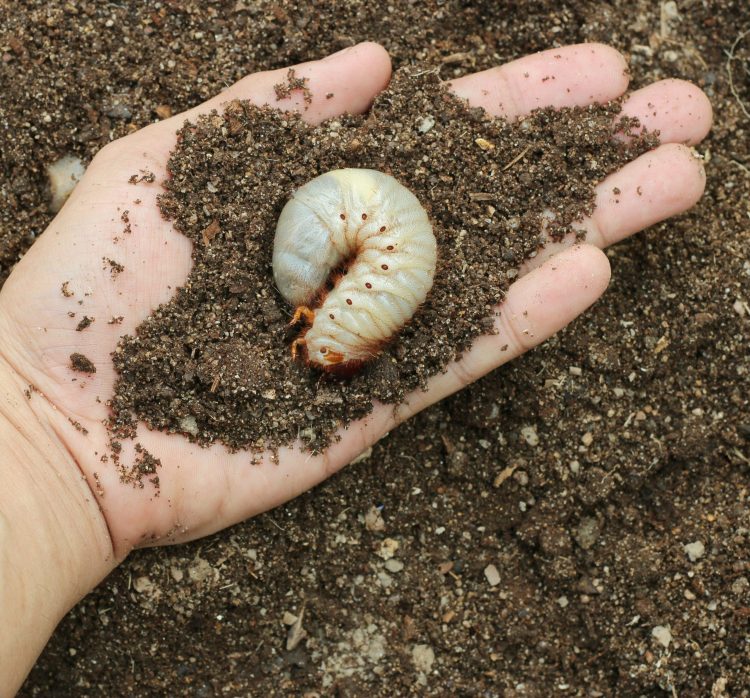
Smitley et al. (2020) The grubs feed from the beginning of August until late October. By the end of October, they are fully grown. The larvae of both species look almost identical. They spend the winter as large grubs (0.75 inches long) some 2-6 inches below the soil surface. When the ground warms up in spring, they resume feeding and cause damage from the time the grass turns green until they pupate in mid-May. Grub damage may appear in home lawns from mid-September to November or from March to early May.
Identifying Grubs and Chinch Bugs
Grubs
- Lifecycle Insight: Grubs are the larval stage of beetles (June bugs, Japanese beetles). Adults lay eggs in late spring, which hatch into root-eating larvae by midsummer.
- Signs of Damage: Spongy, brown patches that detach easily from the soil; increased animal activity (birds, skunks digging for grubs).
- At-Risk Grass Types: All turfgrass, but St. Augustine and Bermuda are particularly vulnerable.
Chinch Bugs
- Lifecycle Insight: Chinch bugs overwinter in lawn debris and become active in spring. They reproduce rapidly in temperatures above 70°F.
- Signs of Damage: Yellowing grass that turns straw-colored; small, irregular dead patches that spread quickly.
- At-Risk Grass Types: St. Augustine (their favorite), Zoysia, and Bermuda.
Pro Tip: Perform a “tug test” for grubs (if grass lifts easily, grubs are likely present) or a “flotation test” for chinch bugs (soapy water in a can sunk into the soil forces them to float to the surface).
Prevention Strategies: Beyond the Basics
- Soil Health Matters
- Test your soil pH (aim for 6.0–7.0 for most Texas grasses). Adjust with lime or sulfur as needed.
- Apply compost or organic matter to improve soil structure and root resilience.
- Smart Irrigation Practices
- Use a rain gauge to avoid overwatering. Install a smart sprinkler system to adjust for local weather.
- Water between 4–8 AM to reduce evaporation and fungal growth.
- Targeted Lawn Treatments
- Apply grub-preventative insecticides (e.g., imidacloprid) in early spring before eggs hatch.
- For chinch bugs, use systemic insecticides (e.g., bifenthrin) in late spring, focusing on lawn edges and sunny areas.
- Encourage Beneficial Insects
- Plant pollinator-friendly flowers (e.g., lantana, coreopsis) to attract predatory insects like ladybugs and lacewings, which eat chinch bug eggs.

Treatment Options for Active Infestations
Grubs
- Curative Treatments: Apply carbaryl or trichlorfon immediately upon detection. Water the area thoroughly to activate the insecticide.
- Natural Solutions: Milky spore powder (a bacteria targeting grubs) can provide long-term control but takes 2–4 years to establish.
Chinch Bugs
- Organic Solutions: Spray neem oil weekly for 3–4 weeks. Diatomaceous earth can be sprinkled in dry conditions.
- Chemical Solutions: Use pyrethroids sparingly to avoid resistance. Spot-treat affected areas instead of blanketing the lawn.
When to Call a Pro: If >30% of your lawn is damaged, consult a local pest control service for industrial-grade treatments.
Spring Lawn Care Beyond Pest Control
- Fertilization
- Apply a slow-release, nitrogen-rich fertilizer in early spring (March–April). Opt for a formula with micronutrients like iron to enhance green color.
- Mowing Best Practices
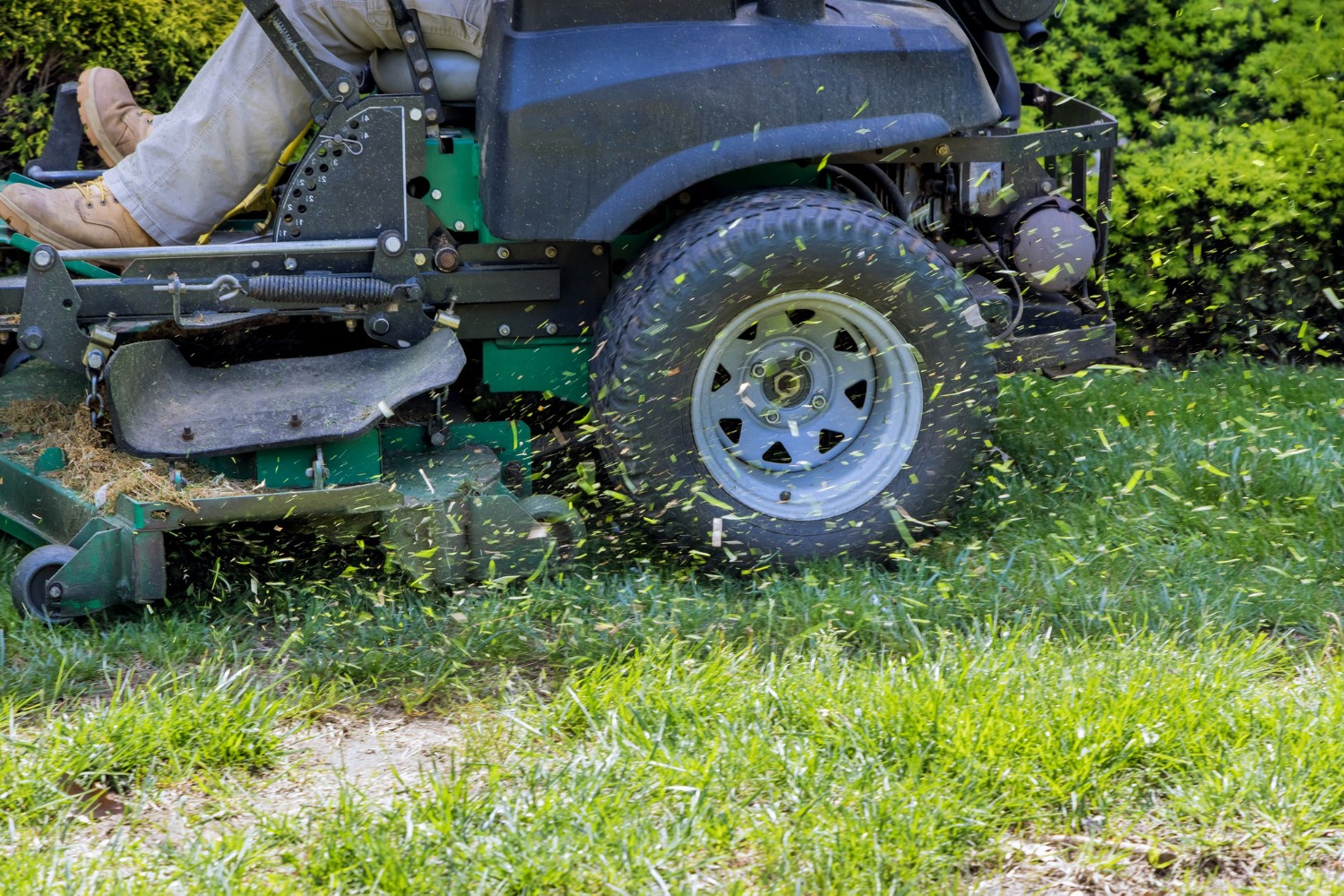
- Keep St. Augustine at 2.5–3 inches and Bermuda at 1–2 inches. Never remove more than 1/3 of the blade height to avoid stress. Learn basic lawn mowing tips from our pros.
- Aeration & Overseeding
- Aerate compacted soil in early spring to improve root growth. Overseed thin areas with drought-tolerant grass varieties. We offer lawn aeration services.
- Weed Control
- Apply pre-emergent herbicides in February–March to block weeds like crabgrass. Hand-pull dandelions and clover before they seed. Read our article about how to pull weeds out.
- Debris Cleanup
- Remove fallen leaves, branches, and thatch to eliminate pest hiding spots.
FAQs: North Texas Lawn Pest Edition
Q: Can I treat grubs and chinch bugs at the same time? A: Yes! Use a broad-spectrum insecticide labeled for both pests, but avoid over-application to protect pollinators.
Q: Are chemical treatments safe for pets? A: Most products are safe once dried (24–48 hours). Opt for pet-friendly options like nematodes or insecticidal soap.
Q: How do I know if my lawn has other pests (e.g., armyworms)? A: Armyworms leave “chewed” grass blades and are active at dusk. Use a flashlight to inspect your lawn at night.
Your Spring Lawn Care Checklist
- ✅ Test soil pH and amend as needed
- ✅ Apply pre-emergent herbicide and grub preventative
- ✅ Schedule aeration/dethatching
- ✅ Mow high and sharpen blades monthly
- ✅ Inspect for pests weekly (early morning is best)

Final Thoughts
A healthy lawn starts with proactive care. By combining pest management with seasonal maintenance, you’ll create a resilient turf that withstands North Texas’s harsh summers. For personalized advice or professional treatments, explore our lawn care programs tailored to Frisco’s climate. Ready to take the next step? [Schedule a free consultation] with our experts today!
References:
Smitley, D., Davis, T., & Hotchkiss, E. (2020, May 22). How to choose and when to apply grub control products for your lawn. Michigan State University. https://www.canr.msu.edu/news/how_to_choose_and_when_to_apply_grub_control_products_for_your_lawn

M Valdivia
As a seasoned content manager with a background in education and human development, I bring a unique perspective to lawn care and landscaping topics. For the past four years, I've specialized in creating clear, helpful, and research-backed content for homeowners across North Texas and beyond. While I don’t have a landscaping degree, I collaborate closely with lawn care professionals to ensure every article is accurate, practical, and easy to follow.Request a Free Quote
Get a customized estimate for your project.
Get Free Quote (972) 571-7899Why Choose Us
- 20+ years experience
- Licensed & insured
- Free estimates
- 100% satisfaction guarantee
- Locally owned & operated
Service Areas
Frisco, Plano, McKinney, Dallas, Allen, Carrollton, Melissa, Lewisville, Grapevine, Little Elm, The Colony, Prosper, Celina, Castle Hills, Fort Worth
Ready to Get Started?
Contact us today for a free estimate on your project.