
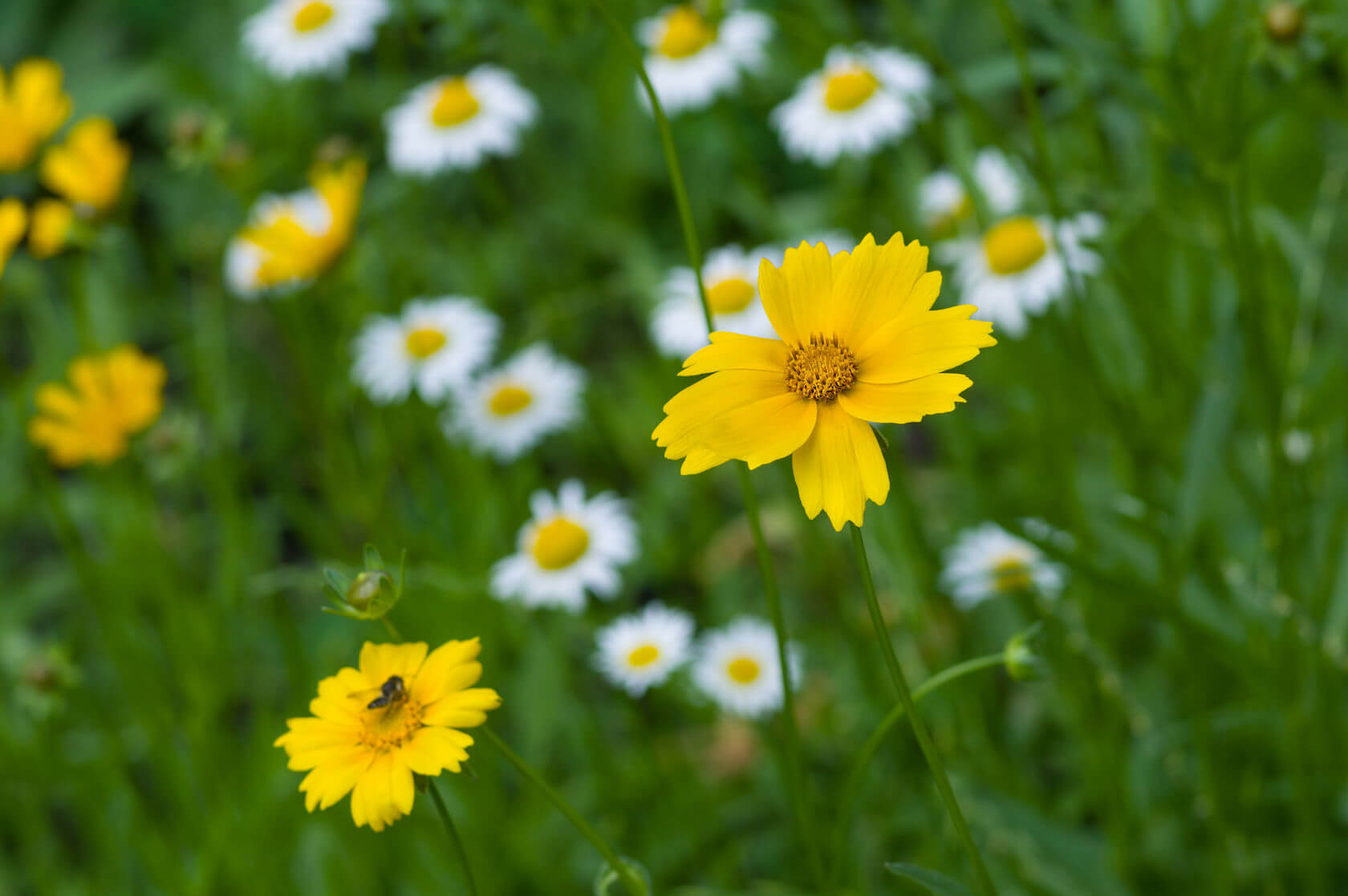
Deadheading Coreopsis: How & When to Prune
Learn how to prune and deadhead coreopsis flowers to encourage more blooms and keep your garden looking its best. Discover when to deadhead, how to prune coreopsis correctly, and tips for maintaining healthy, vibrant plants throughout the growing season.
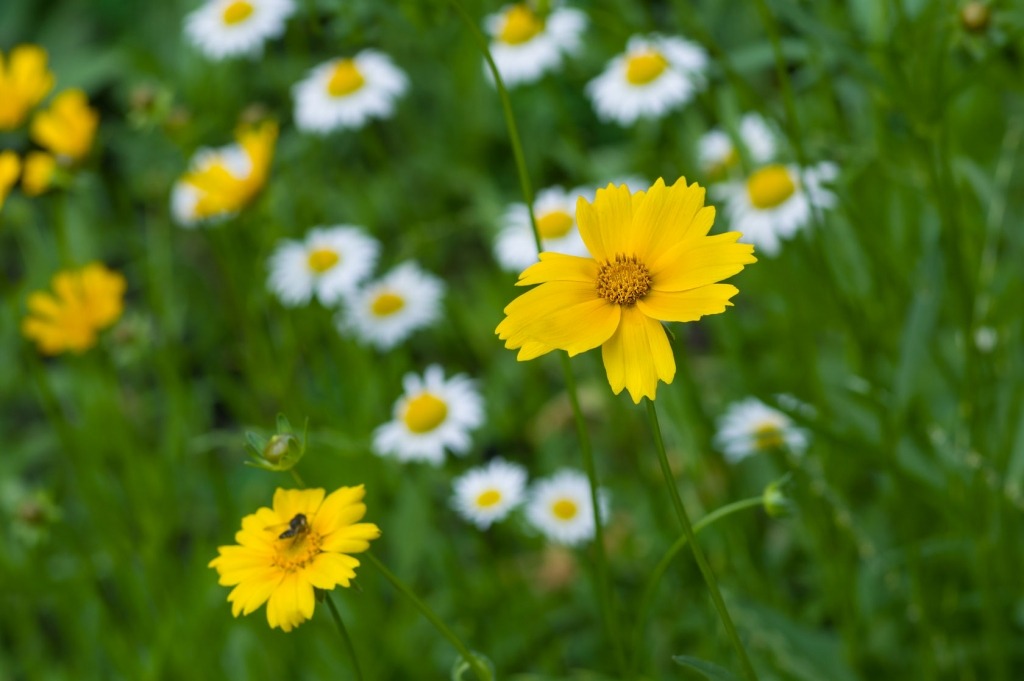
Want your coreopsis (tickseed) to bloom longer and look its best? Deadheading—the simple practice of removing spent flowers—is the secret! By snipping off faded blooms just above healthy leaves or new buds with clean pruners, you’ll encourage fresh waves of color all season. But when should you deadhead, and what’s the best technique to avoid harming your plants?
Keep reading to master the art of deadheading coreopsis, including pro tips for timing, tools, and even when to skip pruning. Your garden will thank you!
Information about Coreopsis Flowers
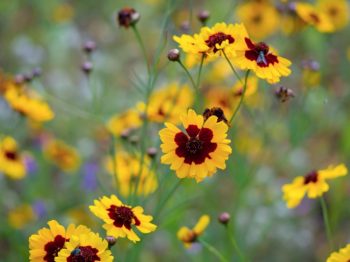
Coreopsis, is a beautiful wildflower native to Texas that belongs in the daisy family. They come in many colors such as, yellow, orange, and red. There are even bi-color options available.
This perennial prefers full-sun, is drought and heat tolerant and will bloom from spring through summer. Learn about some full sun shrubs that will look nice next to coreopsis flowers. Check out our tree and bush trimming service page for help maintaining flowers and shrubs.
Iannotti (2023) Overall, coreopsis plants don’t require much care when grown in their preferred environment. Select a planting site with lots of sun and good soil drainage.
When to Deadhead Coreopsis

The best time to deadhead coreopsis is as soon as you notice flowers fading. Once a flower begins to wither, it’s a sign that the plant is preparing to produce seeds. By deadheading immediately, you catch the plant early in the process, allowing it to redirect its energy toward new blooms.
Coreopsis generally blooms from early summer to late fall, so expect to deadhead regularly throughout the growing season. Check your plants weekly to stay on top of the process.
How to Deadhead Coreopsis: A Step-by-Step Guide
Follow these simple steps to effectively deadhead your coreopsis plants:
1. Identify Spent Blooms
Look for flowers that have started to fade or dry out. These spent blooms will be browner or wilted in comparison to fresh flowers. The petals will begin to curl, and the flower head will droop.
2. Use Clean Pruners or Scissors
Always use a clean, sharp pair of pruning shears or scissors to deadhead your plants. Cleaning your tools before and after each use helps prevent the spread of disease.
3. Locate the Nearest Set of Leaves or Buds
When deadheading coreopsis, make your cut just above the nearest set of leaves or buds on the stem. This encourages the plant to direct energy into producing new flowers. Avoid cutting too far down the stem, as this stunts growth and delays blooming.
4. Pinch or Snip
For newer, smaller blooms, simply pinch the flower head off with your fingers. For larger, more mature blooms, use your pruners or scissors to make a clean cut.
5. Dispose of the Debris
After deadheading, gather the removed flowers and stems and dispose of them. Compost the debris or throw it away. Keeping the garden bed clean helps prevent coreopsis pests and diseases. Check out our Composting Guide for Beginners.
6. Long-Term Health
Clumps of coreopsis should be separated every couple of years for new growth to really take off.
Deadheading Coreopsis Flowers
Pruning dead flowers from your plants is known as “Deadheading.” Basically, deadheading means the removal of flowers that have already put on their show. But should you cut back all perennial flowers? Deadheading is not the only part of pruning your coreopsis. You should also trim the excess leaves and any overgrowth. This video below demonstrates how to deadhead Coreopsis.
The reason deadheading coreopsis flowers is important is because nutrients and water are still flowing through the stem of that dead flower, even though it doesn’t need any nutrients anymore. When you cut that stem off, the nutrients and water are free to move to other living parts of the plant, which will stimulate new growth.
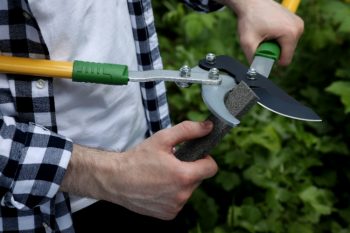
Tips for pruning & deadheading Coreopsis flowers
- Make sure tools are clean before starting.
- Never cut back more than 1/3 of the stems.
- Snip at the base of the stem where the flower came out.
- Trim off any woody foliage.
- Shape your plant’s greenery well to prevent overgrowth.
- Cut stems that are directly above new buds to see more growth and blooms.
Planning a garden redesign or moving into a new home with a bland landscape? Check out our landscaping specials today and contact us for a free estimate.
When Not to Deadhead Coreopsis
While deadheading keeps coreopsis looking tidy and promotes more blooms, there are times when you should avoid pruning:
If You Want Seeds or Self-Sowing
Some coreopsis varieties (like Coreopsis tinctoria or Coreopsis lanceolata) readily self-seed. Leaving spent flowers in place allows seeds to mature and scatter naturally, creating new plants next season.
Late in the Growing Season
As fall approaches, stop deadheading to let plants focus energy on root development rather than producing new blooms. This helps them survive winter and return stronger next year.
Perennial Varieties That Don’t Rebloom
Certain types (like Coreopsis verticillata) have a single, long bloom period. Deadheading won’t extend flowering, so pruning is only for aesthetics.
Pro Tip: If you’re unsure whether your coreopsis reblooms, check the coreopsis variety or observe its growth habit—some benefit from deadheading, while others thrive when left alone!
Wrapping Up
Deadheading is a necessary part of being a gardener. When pruning coreopsis flowers, always be careful when cutting.
Your flowers will be more aesthetically pleasing and you will definitely notice that your plants will become thicker and have more blooms. After you deadhead a plant, the blooms that pop out second should last longer than the first set of blooms.
Hopefully this blog helped you understand how to prune and deadhead your coreopsis flowers. Ready for flowers, but still wanting to enjoy your weekends? Contact us today for landscaping installation questions and estimates.
Coreopsis Care FAQ
1. How often should I water coreopsis?
Coreopsis is drought-tolerant once established. Water deeply but infrequently, allowing the soil to dry between waterings. Avoid overwatering, as it can cause root rot.
2. Does coreopsis need full sun?
Yes! Coreopsis thrives in full sun (6+ hours daily) but can tolerate light shade. Less sun = fewer blooms and leggy growth.
3. Should I deadhead coreopsis?
Yes, for most varieties—it encourages repeat blooming. However, skip deadheading if you want self-seeding.
4. When is the best time to plant coreopsis?
Plant in spring or early fall so roots establish before extreme heat or cold.
5. How do I divide coreopsis?
Divide every 2–3 years in early spring to rejuvenate overcrowded plants. Dig up the clump, split with a shovel, and replant.
6. Is coreopsis deer-resistant?
Yes! Deer and rabbits usually avoid it, making it a great low-maintenance perennial.
7. Why is my coreopsis not blooming?
Possible causes:
Too much shade
Over-fertilizing (coreopsis prefers poor soil)
Old, overcrowded plants (divide them!)
8. Can coreopsis grow in containers?
Yes! Use well-draining soil and a pot with drainage holes. Dwarf varieties (like Coreopsis ‘Nana’) work best.
9. Do I need to fertilize coreopsis?
Rarely. Too much fertilizer leads to floppy growth. If needed, use a light, balanced feed in early spring.
10. Is coreopsis perennial or annual?
Most are perennials, but some (like Coreopsis tinctoria) are annuals. Check your variety!
References:
Iannotti, M. (2023, March 12). How to grow and care for coreopsis. The Spruce. https://www.thespruce.com/growing-and-using-coreopsis-in-the-flower-garden-1402839

D Boone
Love the outdoors. Unlucky in real estate but lawn and gardening I can excel at.Request a Free Quote
Get a customized estimate for your project.
Get Free Quote (972) 571-7899Why Choose Us
- 20+ years experience
- Licensed & insured
- Free estimates
- 100% satisfaction guarantee
- Locally owned & operated
Service Areas
Frisco, Plano, McKinney, Dallas, Allen, Carrollton, Melissa, Lewisville, Grapevine, Little Elm, The Colony, Prosper, Celina, Castle Hills, Fort Worth
Ready to Get Started?
Contact us today for a free estimate on your project.