
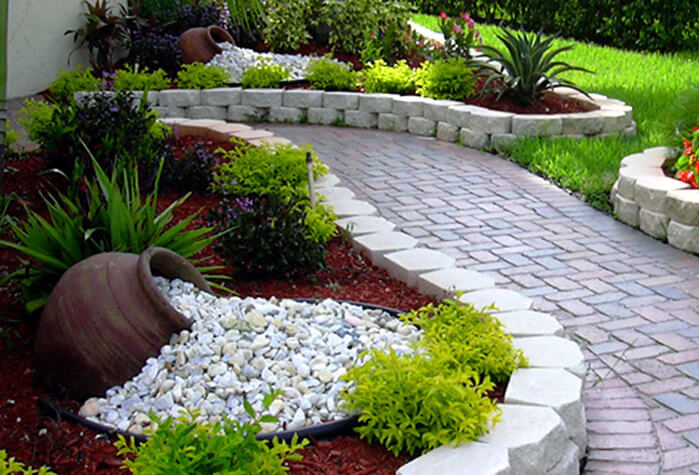
Texas Homeowner's Guide to Hiring Professional Landscapers
Hiring a professional landscaper can make it easier to create and maintain a beautiful, healthy outdoor space. Learn what Texas homeowners should consider before choosing a landscaping company, including services, experience, licensing and insurance, estimates, communication, and local knowledge. Use this guide to help you find a professional landscaper who fits your property and project needs.
 When you’re ready to transform your Texas property, hiring the right professional landscaper can make the difference between a thriving outdoor sanctuary and a costly disappointment. You’ll need to navigate state-specific regulations, weather considerations, and local plant selections while ensuring your chosen professional brings the right mix of expertise and reliability. Whether you’re planning a complete yard renovation or seeking regular maintenance services, understanding how to evaluate and select a qualified landscaping contractor will protect your investment and help you create the outdoor space you’ve envisioned. Let’s explore what you need to know before signing any contracts.
Evaluating Professional Landscaping Services
When you’re ready to choose a landscaping service, start by checking that the company holds valid licenses and carries adequate liability insurance to protect your property.
You’ll want to examine their portfolio of completed projects to gauge their design capabilities and attention to detail.
Additionally, it’s essential to understand their years of experience and expertise with local plants and conditions, as this directly impacts the quality of work they’ll provide for your property.
Verify Licenses and Insurance
Verifying licenses and insurance represents a crucial step before hiring any landscaping contractor. In Texas, you’ll need to confirm that your potential landscaper holds the necessary state and local permits to operate legally.
While Texas doesn’t require a specific landscaping license, certain services like irrigation installation and chemical applications demand specialized licensing.
Don’t hesitate to ask for proof of insurance coverage. A reputable landscaping company should carry both liability insurance and workers’ compensation. You want them to have the minimum state requirements so it is important they get landscaping insurance for a Texas business. This protects you from potential lawsuits if accidents occur on your property during the project.
When verifying credentials, follow these essential steps:
- Request current certificates of insurance and verify them directly with the insurance provider to confirm they’re active and adequate for your project’s scope.
- Check for specialized licenses if your project includes irrigation systems (Texas Commission on Environmental Quality license) or pesticide application (Texas Department of Agriculture license).
- Verify their business registration with the Texas Secretary of State and confirm they’re in good standing with local authorities.
- Verify their general liability insurance coverage amount (typically $1 million minimum) and ask for a current certificate of insurance listing you as an additional insured party
- Check their workers’ compensation insurance status through the Texas Department of Insurance database, especially if they’ll have multiple workers on your property
- Keep copies of all documentation for your records
Remember that hiring an uninsured or unlicensed contractor could leave you financially liable for accidents or property damage. Don’t proceed with any work until you’ve confirmed all necessary credentials are valid and current. Learn more about the risks of hiring uninsured contractors
Assess Portfolio and Experience
Before committing to a landscaping company, thoroughly reviewing their portfolio and past projects provides essential insights into their capabilities and style.
Ask potential contractors to show you examples of completed projects similar to what you’re envisioning for your property, particularly those completed in Texas’s unique climate conditions.
Request to see both recent and older projects to evaluate how their work holds up over time. Visit completed job sites if possible, and don’t hesitate to ask for references from clients with similar landscaping needs.
Pay attention to details like plant selection, hardscape installation, drainage solutions, and overall design cohesion.
Consider the company’s experience with specific elements you want, such as water features, outdoor lighting, or native plant gardens.
Look for landscapers who’ve worked extensively in your local area, as they’ll better understand regional soil conditions, weather patterns, and plant species that thrive in Texas.
Check how long they’ve been in business and whether they’ve handled projects of similar scope and complexity to yours.
A well-established portfolio should demonstrate consistent quality, attention to detail, and the ability to execute various landscaping styles effectively.
Understanding Texas Landscaping Requirements
When planning landscaping projects in Texas, you’ll need to navigate various state and local regulations that govern residential and commercial outdoor spaces. Your first step is to check your city’s specific ordinances regarding tree removal, water usage, and hardscape installations. Many Texas municipalities require permits before removing established trees or altering drainage patterns.
Water conservation plays an essential role in Texas landscaping requirements. You must follow your region’s water restrictions, which often limit irrigation schedules and may require drought-resistant plant selections. Some areas mandate that at least 20% of your landscaped area consists of native Texas plants.
You’ll also need to take into account homeowners association (HOA) guidelines if applicable. These rules might restrict fence heights, plant types, and landscape designs. Before hiring contractors, verify they’re licensed and insured according to Texas state law.
For projects affecting utility lines, you’re required to contact Texas811 for underground utility marking at least 48 hours before digging begins.
Don’t forget to check local noise ordinances that may limit landscaping work hours and equipment use. Some communities also regulate the percentage of your lot that can be covered with impervious materials like concrete or pavers.
Cost Planning and Budgeting
Carefully planning your landscaping budget helps prevent unexpected costs and guarantees project success.
You’ll need to take into account both initial installation costs and ongoing maintenance expenses when setting your budget. Request detailed written estimates from at least three licensed landscapers to compare pricing and services.
Break down your budget into major categories: hardscaping (patios, walkways), plants and trees, irrigation systems, lighting, and labor costs.
Don’t forget to factor in site preparation, soil amendments, and debris removal. Most landscaping projects in Texas range from $2,000 to $50,000, depending on yard size and complexity.
Set aside 15-20% of your total budget as a contingency fund for unexpected issues like drainage problems or root removal.
If you’re planning a large project, think about completing it in phases to spread costs over time. You’ll also need to account for seasonal maintenance costs, including irrigation adjustments, mulching, and plant replacement.
When reviewing estimates, make sure they include warranties, maintenance schedules, and specific material grades.
Ask about payment schedules and never pay the full amount upfront. Most reputable landscapers require a deposit of 25-33% to begin work.
Service Agreements and Contracts
Before signing with a landscaping company, you’ll want to carefully examine the contract elements including service frequency, liability coverage, and work guarantees.
You’ll need to understand the payment structure, which typically includes deposit requirements, progress payments, and final payment terms.
It’s crucial to verify that the payment schedule aligns with service delivery milestones and that all costs are clearly itemized in writing.
Contract Elements To Review
When reviewing a landscaping contract, you’ll need to examine several key elements to protect your interests and guarantee clear expectations. Make certain the contract clearly outlines all services, materials, and equipment that’ll be used for your project.
It’s essential to verify that payment terms, project timeline, and completion dates are specifically stated to avoid any misunderstandings.
Look for these important contract components:
- Scope of work details, including specific plant types, quantities, installation methods, and maintenance requirements, plus any warranties or guarantees on plants and materials.
- Insurance and liability coverage, confirming the contractor carries adequate general liability insurance, workers’ compensation, and property damage protection that’ll cover any accidents or damages during the project.
- Termination clauses and dispute resolution procedures that protect both parties if issues arise, including clear conditions for contract cancellation and the process for addressing unsatisfactory work.
Don’t sign until you’ve confirmed the contract includes proper permits, local regulations compliance, and cleanup responsibilities.
If you’re uncertain about any terms, consult with a legal professional to confirm your interests are fully protected.
Payment Terms and Schedules
Payment terms and schedules represent one of the most significant sections of your landscaping contract, directly impacting both your budget and the project’s progress. You’ll want to guarantee the contract clearly outlines payment amounts, due dates, and acceptable payment methods.
Standard payment structures typically include an initial deposit (usually 25-30%), progress payments at specific project milestones, and a final payment upon completion.
Review the contract’s provisions for handling cost overruns and change orders. You shouldn’t pay the full amount upfront, and your contract should tie payments to specific deliverables or completion stages. Make sure you understand what triggers each payment and what constitutes “completed work.”
The contract should also address payment timing, specifying whether you’ll pay weekly, monthly, or based on project phases. If you’re signing up for ongoing maintenance, verify the billing cycle and whether you’ll receive itemized statements.
Look for early payment incentives or late payment penalties, and confirm if there’s a grace period for payments. Don’t forget to check if the contract includes provisions for withholding payment if work doesn’t meet agreed-upon standards or timeline commitments.
Seasonal Maintenance Schedules
Professional landscapers establish detailed maintenance schedules that align with your property’s needs throughout the year. In Texas, these schedules typically cover four distinct seasons, each requiring specific attention to guarantee your landscape thrives in the state’s diverse climate conditions.
You’ll need to work with your landscaper to develop a customized schedule that accounts for your property’s unique features, including soil type, hardness zone, plant varieties, and irrigation requirements. Most maintenance plans include regular mowing, pruning, fertilization, and pest control treatments scheduled at ideal times throughout the year.
Here’s what you can expect in a typical Texas seasonal maintenance schedule:
- Spring (March-May): Pre-emergent weed control, fertilization, mulching, spring pruning, and irrigation system checks.
- Summer (June-August): Weekly mowing, frequent watering adjustments, pest monitoring, and selective pruning of spring-flowering shrubs.
- Fall (September-November): Core aeration, overseeding, leaf removal, winter preparation, and cutbacks of perennial plants.
During your initial consultation, you’ll want to discuss how these seasonal tasks can be adjusted based on your specific region within Texas, as maintenance needs can vary considerably between coastal, central, and northern areas of the state.
Managing Project Communication
Effective communication with your landscaping team serves as the foundation for successful project execution. You’ll need to establish clear channels of communication from the start, including preferred contact methods and response time expectations. Make certain you have direct contact information for both the project manager and crew supervisor.
Set up regular check-in meetings to discuss project progress, whether weekly or bi-weekly, depending on your project’s scope. You’ll want to document all major decisions and changes in writing, preferably through email, to maintain a clear record.
If you’re using a project management app or software, make certain everyone has proper access and knows how to use it. Don’t hesitate to ask questions about unfamiliar terms or processes – professional landscapers should be willing to explain their methods.
Create a shared photo folder where the team can document progress and highlight any issues that need your attention. When problems arise, address them promptly and maintain a solution-focused approach.
Keep all receipts, invoices, and written communications organized in one place for easy reference throughout the project’s duration and after completion.
Conclusion
You’ll find success in your Texas landscaping project by following these essential guidelines for hiring professionals. From verifying licenses and insurance to creating detailed service agreements, you’re now equipped to make informed decisions. Remember to maintain clear communication and adapt your maintenance schedule to Texas’s unique climate. By implementing these strategies, you’ll create and preserve a stunning landscape that enhances your property’s value.
 D Boone
Love the outdoors. Unlucky in real estate but lawn and gardening I can excel at.
Request a Free Quote
Get a customized estimate for your project.
Get Free Quote (972) 571-7899Why Choose Us
- 20+ years experience
- Licensed & insured
- Free estimates
- 100% satisfaction guarantee
- Locally owned & operated
Service Areas
Frisco, Plano, McKinney, Dallas, Allen, Carrollton, Melissa, Lewisville, Grapevine, Little Elm, The Colony, Prosper, Celina, Castle Hills, Fort Worth
Ready to Get Started?
Contact us today for a free estimate on your project.