
Dethatch or Aerate Before Overseeding: What to Do First
Not sure whether to dethatch or aerate your lawn before overseeding? The right preparation can make a big difference in how well grass seed germinates. Learn how to identify thatch buildup, understand the benefits of lawn aeration and dethatching, and determine which method is best for your lawn before overseeding.

If you want your grass seed to take root and thrive, aerating your lawn before overseeding is often the best first step—especially if thatch buildup is minimal. But if your lawn has a thick layer of thatch, you may need to dethatch first to give your new grass a better shot at survival.
Wondering which method is right for your yard? Keep reading to learn how to check your lawn’s condition, why seed-to-soil contact matters, and how to get the most out of your overseeding efforts.
Why Lawn Prep Matters Before Overseeding
Even high-quality grass seed won’t germinate well if it can’t reach the soil. Two of the most important steps for successful overseeding are:
Improving seed-to-soil contact
Creating a healthy environment for root growth
This is where dethatching and aerating come in. Let’s take a look at what each one does—and which to choose based on your lawn’s needs.
What Is Thatch?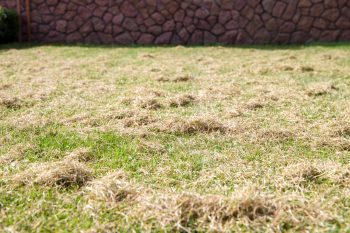
Thatch is a layer of dead and living grass stems, roots, and debris that sits between your soil and the green grass blades. A thin layer (under ½ inch) can actually be beneficial—it protects the soil and retains moisture. But too much thatch:
Blocks seed-to-soil contact
Prevents air, water, and nutrients from reaching the roots
Encourages pests, mold, and disease
What Is Aeration?
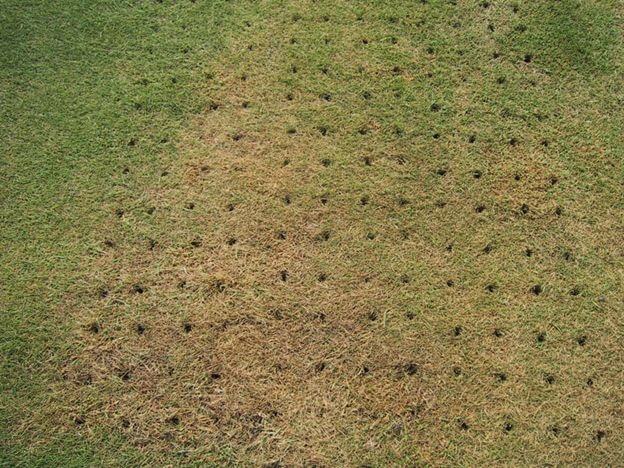
Aeration involves removing small plugs of soil to reduce compaction and allow water, oxygen, and nutrients to reach the roots. It also creates small holes where new grass seed can settle and grow.
Use a core aerator, not spike shoes or tools. Core aerators pull plugs 2–6 inches apart and 1–6 inches deep. This promotes deeper root systems and encourages healthier, more resilient grass.
✅ When to Aerate: Once or twice a year—spring and/or fall—especially if the lawn sees a lot of foot traffic.
We can help aerate your lawn!
 What Is Dethatching?
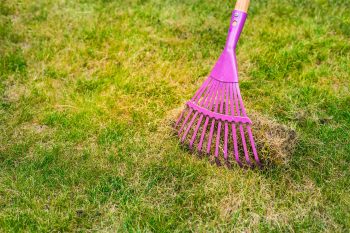
Dethatching removes thick, matted layers of thatch that can choke out your lawn. It’s done using a dethatching rake or a vertical mower (power rake) with sharp blades that cut into the turf and pull up debris. You can use a vertical mower to dethatch the lawn.
You may need to dethatch if:
Your lawn feels spongy when you walk on it
Water runs off without soaking in
You see visible layers of brown debris beneath the grass blades
✅ When to Dethatch:
Cool-season grasses – Early fall
Warm-season grasses – Late springOnly dethatch when your grass is actively growing so it can recover quickly.
Which Comes First: Dethatching or Aerating?
Here’s a simple way to decide:
| Thatch Layer Depth | Best Method |
|---|---|
| Less than ½ inch | Aerate only |
| More than ½ inch | Dethatch first, then aerate |
Aerating is less aggressive, so it’s a smart starting point if you’re unsure. But if your lawn has heavy thatch, dethatch first—then aerate to improve soil structure before overseeding.
 Final Takeaway: Prepare First, Seed Second
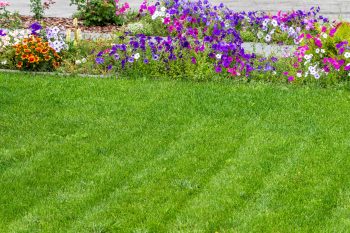
If you skip lawn prep, you’re just throwing seed on top of dead grass. To get the lush, thick lawn you’re after, evaluate the thatch, choose the right method, and overseed at the right time of year.
Need help deciding? Our team can assess your lawn and recommend the best strategy to get your grass growing strong.
To get high germination rates when overseeding, not only is it important to water the seeds, but also make sure the seeds and soil have good contact. Two of the recommended processes to achieve this are dethatching and aerating. Read below to learn which of the two the better option is.

Bradley Stevens
Request a Free Quote
Get a customized estimate for your project.
Get Free Quote (972) 571-7899Why Choose Us
- 20+ years experience
- Licensed & insured
- Free estimates
- 100% satisfaction guarantee
- Locally owned & operated
Service Areas
Frisco, Plano, McKinney, Dallas, Allen, Carrollton, Melissa, Lewisville, Grapevine, Little Elm, The Colony, Prosper, Celina, Castle Hills, Fort Worth
Ready to Get Started?
Contact us today for a free estimate on your project.