
Does Lime Help Grass Grow Under Pine Trees?
Growing healthy grass under pine trees can be challenging, but does lime actually help? Learn how soil pH, shade, moisture, and pine tree roots affect grass growth, and find out when applying lime may—or may not—help. Discover practical tips for improving the growing conditions beneath pine trees and maintaining a healthier North Texas lawn.

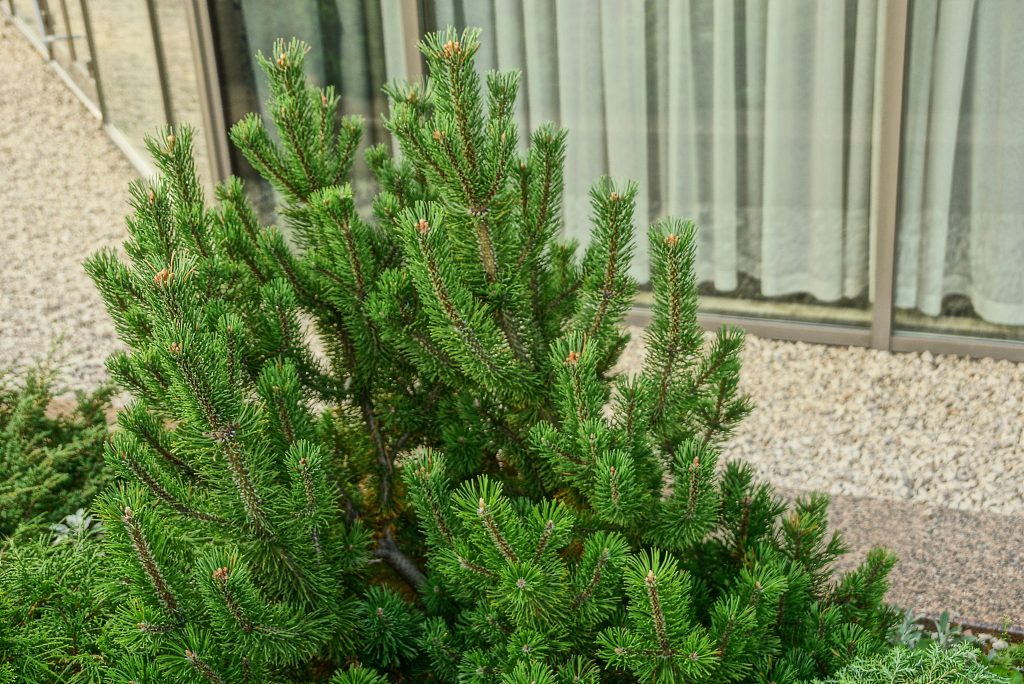
Pine trees, with their majestic beauty and evergreen foliage, can create a picturesque landscape. However, one common challenge faced by homeowners and gardeners is growing grass under pine trees. The acidic nature of pine needles and the shade cast by these tall trees make it difficult for grass to thrive.
But could lime be the solution to this dilemma? In this article, we explore the impact of lime on grass growth under pine trees and shed light on whether it can truly help in achieving a lush green lawn.
Understanding Soil pH: The First Step
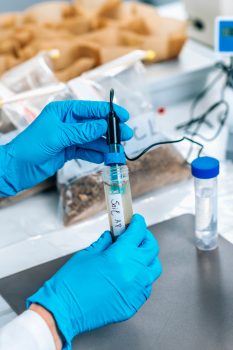
Before delving into lime’s effectiveness, it is crucial to understand the role of soil pH in grass growth. Soil pH directly affects nutrient availability to plants. The ideal pH range for most grass species is slightly acidic, between 6 and 7.5.
However, pine trees, especially through their fallen needles, tend to increase soil acidity, which can hinder grass growth.
The Role of Lime in Soil Modification
Lime, commonly known as agricultural lime or garden lime, is a soil amendment used to raise the pH level of acidic soil. It contains calcium carbonate or calcium magnesium carbonate, compounds that neutralize soil acidity.
By adding lime to the soil, it helps create a more favorable environment for the grass to thrive. Keep your lawn looking its best with our lawn maintenance service.
Benefits of Lime for Grass Under Pine Trees
Neutralizing soil acidity:Pine trees contribute to soil acidity through the decomposition of their needles. Lime helps counteract this acidity, ensuring a balanced pH level essential for grass growth.
Improved nutrient availability: Acidic soil hampers the availability of essential nutrients for plants. By raising the pH level, lime enhances nutrient accessibility, enabling grass to absorb the necessary elements for healthy growth.
Reduced aluminum toxicity: Acidic soil often leads to higher levels of aluminum toxicity. Lime plays a vital role in reducing aluminum toxicity, promoting healthier root development in grass.
Enhanced microbial activity: Lime creates a more favorable environment for beneficial soil organisms, such as earthworms and microorganisms. These organisms help break down organic matter, improving soil structure and nutrient cycling.
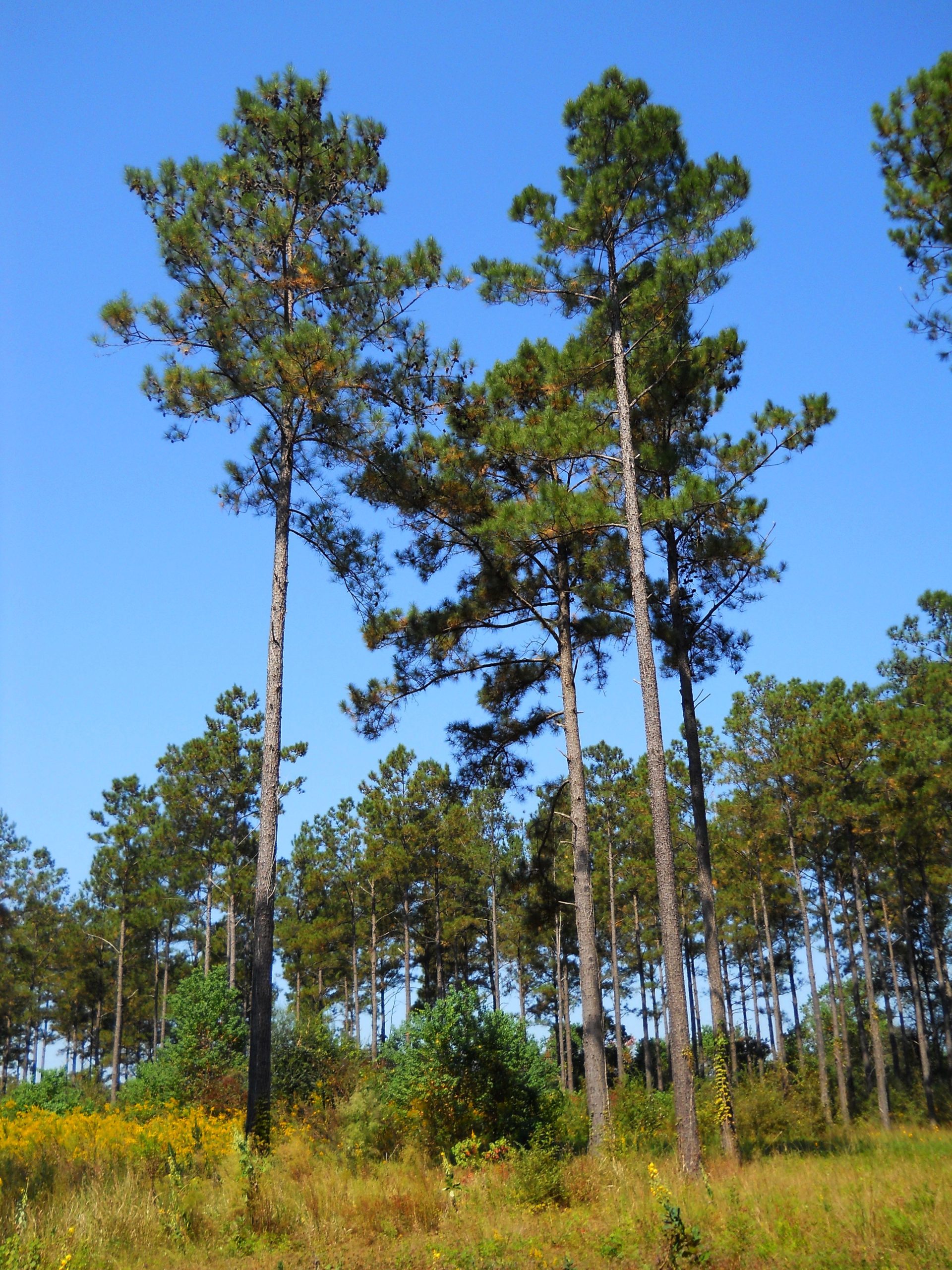
Read about some famous trees of Texas. The Loblolly Pine is on the list!
Considerations and Best Practices
While lime can be beneficial, it is important to note a few considerations and best practices:
Soil testing: Before adding lime, it is essential to conduct a soil test to determine the current pH level and the amount of lime required. This ensures the correct application and prevents over-liming, which can be detrimental to grass growth. Learn how to collect soil and send samples.
Timing of application: The best time to apply lime is in the fall or early spring. This gives the lime sufficient time to interact with the soil and adjust the pH before the grass starts actively growing.
Proper application: Follow the recommended guidelines and application rates when adding lime to the soil. Lime should be evenly spread and thoroughly incorporated into the topsoil.
Monitoring and maintenance: Regularly monitor the pH levels to ensure that they remain within the optimal range for grass growth. Periodic soil testing and adjustments may be necessary as pine trees continue to contribute acidity to the soil. Don’t be discouraged if the lime doesn’t work right away. Multiple applications are usually necessary.
If you live in DFW, you probably have clay soil. Find out how to amend clay soil by reading one of our other articles.
Conclusion
Growing grass under pine trees can be challenging due to the acidic soil conditions. However, by understanding the relationship between pine trees, soil acidity, and lime, homeowners and gardeners can take proactive steps to achieve a thriving lawn.
Lime, with its ability to neutralize soil acidity and enhance nutrient availability, can indeed promote grass growth under pine trees. Ready for an instant lawn once you’ve added the lime to your soil? Check out our sod installation service page for details.
By following proper application techniques and regular monitoring, you can look forward to a lush, green lawn even in the shade of these majestic evergreens.

M Valdivia
As a seasoned content manager with a background in education and human development, I bring a unique perspective to lawn care and landscaping topics. For the past four years, I've specialized in creating clear, helpful, and research-backed content for homeowners across North Texas and beyond. While I don’t have a landscaping degree, I collaborate closely with lawn care professionals to ensure every article is accurate, practical, and easy to follow.Request a Free Quote
Get a customized estimate for your project.
Get Free Quote (972) 571-7899Why Choose Us
- 20+ years experience
- Licensed & insured
- Free estimates
- 100% satisfaction guarantee
- Locally owned & operated
Service Areas
Frisco, Plano, McKinney, Dallas, Allen, Carrollton, Melissa, Lewisville, Grapevine, Little Elm, The Colony, Prosper, Celina, Castle Hills, Fort Worth
Ready to Get Started?
Contact us today for a free estimate on your project.