
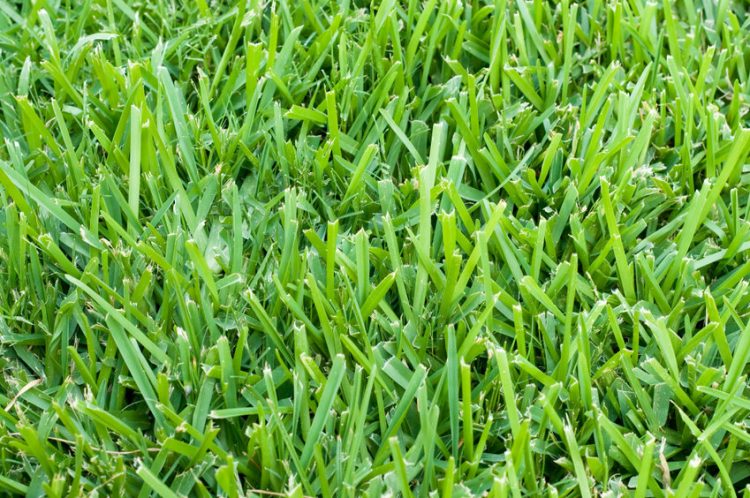
How to Repair St. Augustine Grass: A Step-by-Step Guide
Wondering how to repair St. Augustine grass? Learn how to fix bare spots, address soil compaction, control weeds and pests, improve watering practices, and restore your St. Augustine lawn to a healthy, lush appearance.

If you’re looking for a thick, lush lawn in your yard, St. Augustine grass is a great choice. However, just like any other type of grass, St. Augustine has some maintenance issues. Fortunately, learning how to repair St. Augustine grass is possible with a little patience and effort. Here’s a step-by-step guide on how to get the job done.
Identify the Problem with Your St. Augustine Grass

Before you begin repairing your lawn, it’s essential to determine the root cause of the issue. St. Augustine grass suffers from various problems, including pests, diseases, soil imbalances, and weather-related stress. Identify the specific problem, apply the right treatment and prevent further damage. Here are some common issues that affect St. Augustine grass:
- Take-All Root Rot (TARR): A fungal disease that causes yellowing, thinning, and root decay, leading to weak and dying grass. It thrives in overwatered or poorly drained soil.
- Weed Infestation: Weeds such as crabgrass and dollarweed compete with St. Augustine grass for nutrients, water, and sunlight, leading to thinning and patchy growth.
- Gray Leaf Spot: A fungal disease that appears as small, grayish-brown spots on grass blades, often worsening in warm, humid conditions. It can weaken your lawn if left untreated.
- Brown Patch: This fungal disease creates large, circular brown patches in your lawn, typically during warm, wet weather. Overwatering and poor drainage contribute to its spread.
- Thin or Bare Spots: These can result from improper watering, soil compaction, excessive foot traffic, or a lack of essential nutrients like nitrogen and potassium.
- Chinch Bugs: These tiny insects suck the sap from grass blades, causing yellowing, browning, and eventually dead patches. They thrive in dry, sunny areas of the lawn. About chinch bugs, Sperry (2017) never in shade, and won’t show up until late June through August. Grass will appear dry, but watering won’t perk it back up. Will return to same parts of yard each year.
- White Grubs: The larvae of beetles, such as June bugs, feed on grass roots, leading to weak, wilting, or easily uprooted turf. Severe infestations can cause large areas of dieback. Read our other article about how to get rid of grubs.
Once you’ve figured out the issue, you’ll be able to address it more effectively.
Address Soil Compaction
One of the most common problems with St. Augustine grass is soil compaction. If the soil is too compacted, it will prevent the grass’s roots from growing properly, leading to thinning and bare patches. To fix compacted soil, you’ll need to aerate your lawn. Aerating involves perforating the soil with small holes to allow air, water, and nutrients to reach the roots more easily.
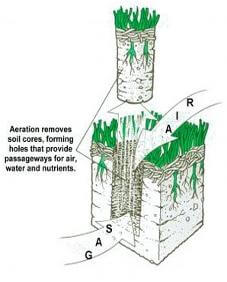
How to aerate your lawn:
- Use a manual or gas-powered lawn aerator to make holes in your lawn.
- Space the holes about 2–4 inches apart, going about 2–3 inches deep.
- After aerating, apply a layer of compost or topsoil to fill in the holes, which will help improve soil structure and encourage healthy grass growth.
Fertilize Your Lawn
St. Augustine grass requires a balanced fertilizer to grow well. If your lawn is looking sparse or yellow, it might be lacking essential nutrients like nitrogen, phosphorus, and potassium. Fertilizing your lawn will help restore these nutrients and encourage new growth.
How to fertilize St. Augustine grass:
- Choose a high-quality, slow-release fertilizer designed for St. Augustine grass or warm-season lawns.
- Apply the fertilizer according to the manufacturer’s instructions, usually during the growing season (spring through summer).
- Avoid over-fertilizing, as this can cause fertilizer burn or excessive growth, leading to a weaker lawn.
Control Weeds in Your Lawn
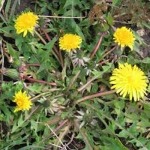
Weeds can outcompete your St. Augustine grass for water, nutrients, and sunlight, which leads to a less healthy lawn. If you have a weed problem, it’s important to address it before it spreads further. The best way to deal with weeds is to use a combination of prevention and treatment methods. Go to our Frisco Weed Control service page for details.
How to control weeds in St. Augustine grass:
- Pre-emergent herbicide: Apply a pre-emergent herbicide in early spring before weed seeds have a chance to germinate. This will prevent new weeds from sprouting.
- Post-emergent herbicide: If weeds are already present, use a post-emergent herbicide to target specific weeds. Be sure to choose one safe for use on St. Augustine grass.
- Manual removal: For a more natural approach, you can also hand-pull weeds or use a weed tool to remove them from the soil.
Overseed Bare Spots in Your St. Augustine Lawn
If you have bare spots or thin areas in your St. Augustine lawn, overseeding is a great way to encourage new grass growth. St. Augustine grass spreads through stolons (horizontal stems), but overseeding can help fill in gaps faster.
How to overseed your St. Augustine lawn:
- First, prepare the bare areas by raking or lightly aerating the soil to allow seeds to make good contact with the soil.
- Choose a high-quality St. Augustine grass seed or sod for overseeding. If you’re looking to fill in small patches, sod pieces are a quicker option.
- Spread the grass seed evenly over the affected areas, and lightly water to help with germination.
- Keep the soil moist (but not soggy) until the new grass begins to establish itself.
Repairing St. Augustine Grass with Sod Pallets

If your St. Augustine grass has significant bare patches or thin areas, one of the most effective ways to repair it is by laying down sod pallets. Sod is pre-grown grass that’s harvested in large sections, or pallets, making it an ideal solution for quickly filling in those bare spots and restoring your lawn to its lush, green state.
- Choose the Right Sod: Select St. Augustine sod that matches your existing lawn variety.
- Prepare the Soil: Remove weeds, debris, and dead grass; rake to create a smooth, even surface; aerate if soil is compacted.
- Lay the Sod Pallets: Stagger the seams of the sod pieces; lay sod edge-to-edge without gaps; trim edges as needed.
- Water the Sod: Water thoroughly after laying; keep the sod moist daily for the first few weeks.
- Maintain the Lawn: Regular watering, mowing, and fertilizing; avoid heavy foot traffic on the new sod for the first few weeks.
We install quality sod in Frisco and surrounding cities at affordable prices.
Improve Watering Practices
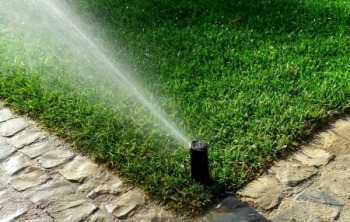
Proper watering is essential to the health of your St. Augustine grass. Overwatering or underwatering can both harm your lawn. St. Augustine grass needs deep, infrequent watering rather than shallow, frequent watering.
How to water your St. Augustine grass properly:
- Water your lawn early in the morning to minimize water evaporation and prevent fungal diseases.
- Aim for about 1 to 1.5 inches of water per week, either through rainfall or irrigation.
- Avoid watering in the evening, as this can promote mold and fungal growth.
Spring is the perfect time for an irrigation maintenance checkup.
Treat for Pests
If you have a pest problem, it’s important to address it quickly to prevent further damage to your St. Augustine grass. Common pests like chinch bugs, grubs, and sod webworms can damage the grass by feeding on its roots or leaves, leading to thinning, discoloration, and even large patches of dead grass. To treat for pests, start by identifying the type of pest causing the issue.
You can do this by inspecting the affected areas closely or seeking advice from a local lawn care expert. Once identified, choose a targeted pesticide or natural treatment that is safe for St. Augustine grass and follow the application instructions carefully. Regular monitoring and treatment can help keep your lawn healthy and pest-free.
Conclusion
Repairing St. Augustine grass may take some time and effort, but with the right approach, you can restore your lawn to its lush, green beauty. Whether you’re addressing soil compaction, filling in bare spots with sod, or treating for pests, the key is to be proactive and consistent in your care. Regular watering, proper mowing, and monitoring for pests will keep your lawn looking its best throughout the year. By following these steps, you’ll have a healthy, thriving St. Augustine lawn that can withstand the elements and become the envy of your neighborhood.
References:
Sperry, N. (2017, April 20). Diagnosing st. augustine’s problems. Neil Sperry. https://neilsperry.com/2017/04/diagnosing-st-augustines-problems/

M Valdivia
As a seasoned content manager with a background in education and human development, I bring a unique perspective to lawn care and landscaping topics. For the past four years, I've specialized in creating clear, helpful, and research-backed content for homeowners across North Texas and beyond. While I don’t have a landscaping degree, I collaborate closely with lawn care professionals to ensure every article is accurate, practical, and easy to follow.Request a Free Quote
Get a customized estimate for your project.
Get Free Quote (972) 571-7899Why Choose Us
- 20+ years experience
- Licensed & insured
- Free estimates
- 100% satisfaction guarantee
- Locally owned & operated
Service Areas
Frisco, Plano, McKinney, Dallas, Allen, Carrollton, Melissa, Lewisville, Grapevine, Little Elm, The Colony, Prosper, Celina, Castle Hills, Fort Worth
Ready to Get Started?
Contact us today for a free estimate on your project.