
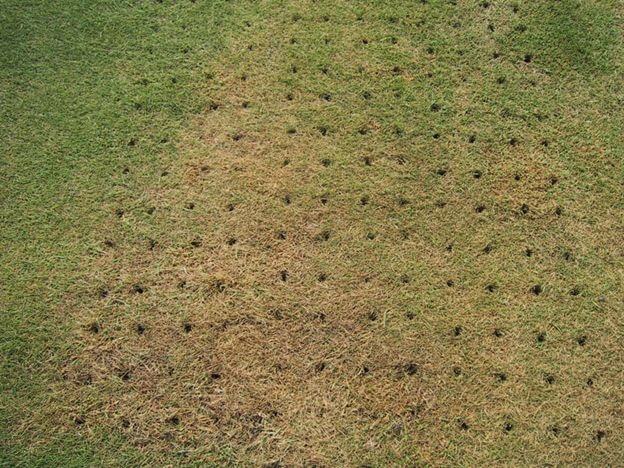
When should a lawn be aerated?
Learn when to aerate your lawn and how lawn aeration can improve soil, water absorption, and grass health. Discover the best time to aerate your lawn in North Texas.

When should a lawn be aerated? Aerating a lawn involves making tiny holes in its top layer so air, water, and nutrients can seep deeply into the earth. The process of aerating a lawn can be done in several ways, such as using a manual or powered aerator that removes tiny plugs of soil or a spike aerator that makes holes in the ground.
Aerating the lawn alleviates soil compaction. A weak and unhealthy lawn may result from compacted dirt, making it difficult for grassroots to develop and receive nutrients and water. Aerating your lawn can help to improve soil drainage, encourage the development of healthy grass, and lessen thatch buildup.
When to Aerate Your Lawn
The sort of grass you have and the climate where you live will determine the ideal time to aerate your lawn. Generally speaking, it’s best to aerate your lawn while it is actively growing. This ensures that the grass recovers rapidly and any holes created by the aeration process will fill in quickly.
Early autumn is ideal for aerating cool-season grasses like Kentucky bluegrass, fescue, and ryegrass. In contrast, late spring or early summer is perfect for warm-season grasses like Bermuda grass, St. Augustine grass and zoysia grass.
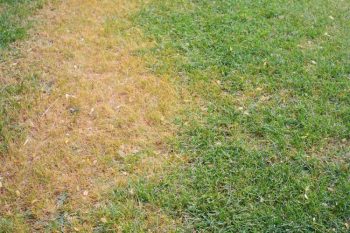
Signs That Your Lawn Needs to Be Aerated
There are several signs that your lawn may require aeration, including:
- It feels challenging to touch your soil.
- Your grass has a soft feel to it and dries out quickly.
- When it rains, water doesn’t soak into the soil; instead, it creates puddles.
- Your lawn is getting thinner, withering, or turning brown instead of green.
- Your grass is becoming afflicted with illnesses like brown patch disease.
- Your grassroots may struggle to expand and absorb nutrients if you see bare or thin patches in the lawn.
- Frequently performing sports or entertaining guests on your lawn can cause soil compaction and other problems, thus signifying the lawn needs aeration.
Consider aerating your grass if you see any of the above signs to encourage healthy growth and enhance the general health of your lawn. Get your irrigation maintenance system checked out to make sure all areas of your lawn are being watered sufficiently.
What Happens If I Don’t Aerate My Lawn?
Numerous problems will affect your lawn’s health and look without aeration. Firstly, air, nutrients, and water cannot move freely through the soil. Secondly, an excess of thatch will build-up.
Lack of aeration makes your lawn susceptible to pests and diseases. Therefore, a lack of aeration will negatively impact your lawn’s general aesthetic attractiveness. Not to mention that curb appeal is affected with a thin, patchy lawn.
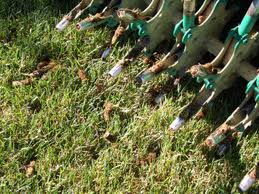
Types of Lawn Aeration
Spike Aeration: With a solid, spike-like tine, spike aerators merely plough a hole into the soil.
Core or Plug Aeration: Rotating blades remove plugs of soil, thatch, or grass from the lawn.
Professional lawn care workers typically prefer core aerators. Depending on the machine used, the width and depth of the plugs and the holes they produce differ.
Contact us today for more information on our lawn aeration service.
What Should I Do After I Aerate My Lawn
Immediately after aeration the lawn needs to be watered. This is to make sure the soil does not dry out.
If you are planning to overseed, this needs to be done within 2 days from when you aerate. Right after aeration is a great time to fertilize because the lawn fertilization products will seep into the aerated holes.
Texas A&M University has published a pdf titled, “Simple Steps to Lawn Care,” that lists 6 basic lawn care steps to ensure a healthy lawn, which includes aeration, lawn fertilization, and more.
Final Thoughts
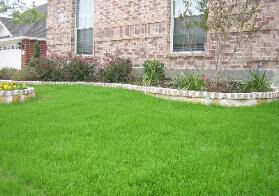
Lawn aeration should be done yearly to maintain healthy and beautiful grass. It is also essential to know when to aerate the lawn based on the type of grass.
Additionally, understanding the signs of when to aerate your lawn is necessary as it prevents the grass from dying.

M Valdivia
As a seasoned content manager with a background in education and human development, I bring a unique perspective to lawn care and landscaping topics. For the past four years, I've specialized in creating clear, helpful, and research-backed content for homeowners across North Texas and beyond. While I don’t have a landscaping degree, I collaborate closely with lawn care professionals to ensure every article is accurate, practical, and easy to follow.Request a Free Quote
Get a customized estimate for your project.
Get Free Quote (972) 571-7899Why Choose Us
- 20+ years experience
- Licensed & insured
- Free estimates
- 100% satisfaction guarantee
- Locally owned & operated
Service Areas
Frisco, Plano, McKinney, Dallas, Allen, Carrollton, Melissa, Lewisville, Grapevine, Little Elm, The Colony, Prosper, Celina, Castle Hills, Fort Worth
Ready to Get Started?
Contact us today for a free estimate on your project.