
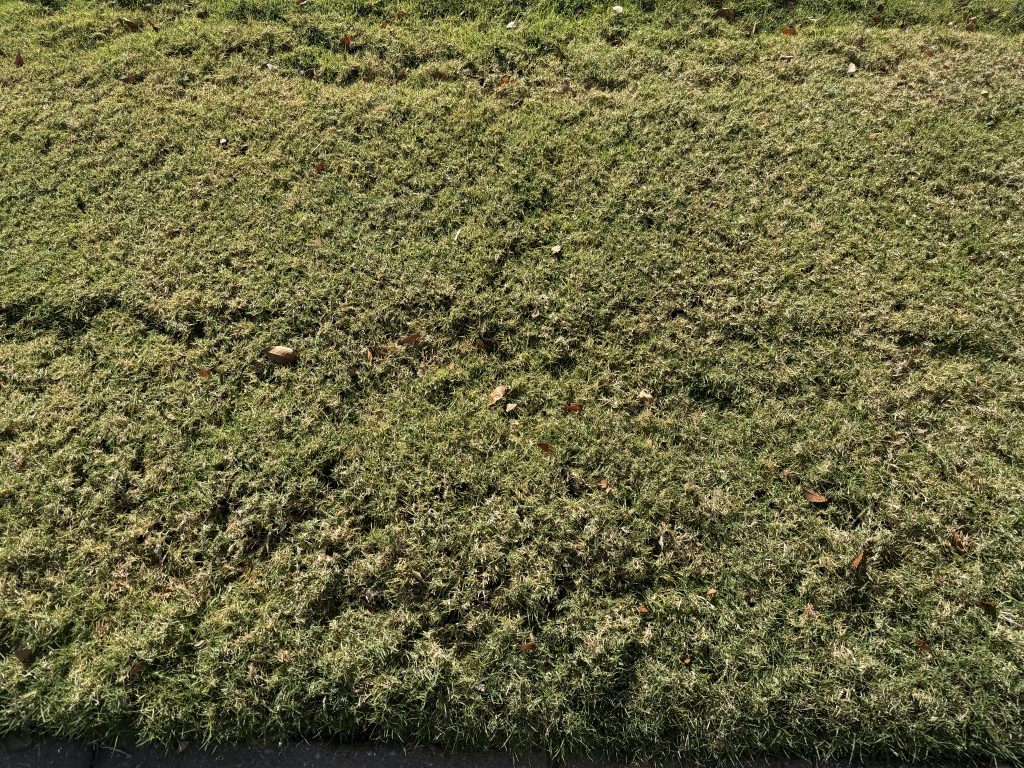
Do You Water Lawn in Winter? Winter Lawn Watering Tips
Learn when to water your lawn in winter and how to adjust your watering schedule for North Texas. Discover winter lawn watering tips to protect your grass through cold and dry weather.

Maintaining a healthy lawn in North Texas requires adapting your care routine to the region’s seasonal climate. This includes how and when to water. Winter is a time of reduced growth for your grass. Although, some watering is still necessary to keep it healthy. However, knowing when to stop watering and how to adjust watering for fall and winter is key.
Winter Watering Guidelines for North Texas
Even in winter, lawns in North Texas require occasional watering to stay healthy. Especially during dry spells. Follow these seasonal guidelines:
Fall Watering (October–November)
- Adjust Your Schedule: As the heat fades, reduce watering to once or twice a week, depending on rainfall.
- Deep Soakings: When you water, ensure it penetrates the soil deeply to encourage root growth before winter dormancy.
- Watch for Overseeding Needs: If you overseed with ryegrass, continue watering lightly to help the seeds germinate.
Winter Watering (December–February)
- Water Sparingly: If there is a dry spell, dormant lawns need watering only once every 2–3 weeks.
- Water Midday: Water between 10 a.m. and 2 p.m. to prevent freezing conditions overnight.
- Skip Freezing Days: Avoid watering when frost or freezing temperatures are in the forecast. This helps protect your lawn from damage and keeps walkways safe.
- Monitor Rainfall: Adjust your schedule based on natural precipitation. Use a rain gauge to ensure your lawn gets about 0.5–1 inch of water every two to three weeks.
Expert tip: Gillette (2024) But overwatering can kill the roots of dormant grass leading to bare spots, molds, weeds and pest problems the following spring. As long as temperatures remain below 40 degrees F, there is little benefit to watering and could result in oversaturation and damage.
Why Winter Watering Matters in North Texas
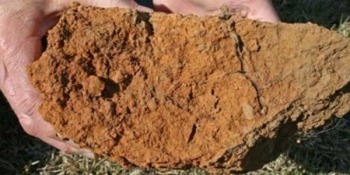
The clay soils common in North Texas easily dry out during prolonged dry spells, even in winter. Occasional watering prevents your lawn from becoming overly stressed.
This leads to thinning grass and vulnerability to weeds or pests come spring. Additionally, keeping the soil slightly moist protects your grass’s roots from freezing during unexpected cold snaps.
Signs It’s Time to Stop Watering Your Lawn
As temperatures cool and your lawn’s needs change, watch for these signs to reduce or stop regular watering:
- Grass Growth Slows or Stops When the weather turns cold, grass typically goes dormant. If you notice your lawn is no longer growing or needs less frequent mowing, it’s a sign to cut back on watering.
- Cool Temperatures Persist In North Texas, once daytime temperatures consistently drop below 50°F, your lawn requires less water as evaporation slows and grass growth pauses.
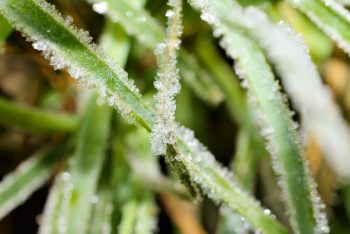
- Frequent Rainfall or Frost During wetter months, natural precipitation often provides enough moisture. If you notice damp soil or frost on your grass in the mornings, additional watering isn’t necessary.
- Soil Feels Moist Check the soil’s moisture by sticking a screwdriver or your finger into the ground. If it’s damp a few inches below the surface, hold off on watering.
Winter Lawn Care Tips for North Texas
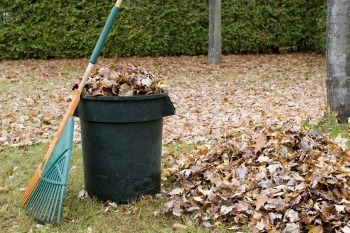
Winter is the perfect time to prepare your lawn for a healthy comeback in spring. Start by clearing fallen leaves and debris to prevent mold and pests from taking over. Keep your grass at a slightly higher mowing height to protect the roots from potential frost damage.
Fertilize your lawn with a winter-specific formula to provide essential nutrients during dormancy.
Aerating the soil before winter sets in can also improve root access to air and water. Finally, monitor your lawn for signs of stress, such as discoloration or thinning, and address issues promptly to ensure your grass stays resilient through the colder months.
Winter Lawn Care Pro Tip
It’s essential to get your sprinkler system checked out before a freeze, especially in a region like North Texas. Winter temperatures will fluctuate between mild and freezing. Proper preparation prevents costly repairs and confirms your system is ready for use when spring arrives.
Go to our irrigation service page for details.
Conclusion
While lawn care may slow during the winter months in North Texas, your lawn still benefits from occasional watering. By watching for signs of dormancy, adjusting your schedule for fall and winter, and monitoring natural rainfall, you ensure your lawn stays healthy and resilient. Proper winter care now sets the stage for a lush, green yard once spring returns.
If you’re unsure how to care for your lawn during the cooler months, JC’s Landscaping is here to help. Contact us today for expert advice and seasonal lawn care services tailored to North Texas’s unique climate!
References:
Gillette, B. (2024, November 27). 6 signs it’s time to stop watering your lawn for winter. The Spruce. https://www.thespruce.com/signs-its-time-to-stop-watering-your-lawn-for-winter-8742262

M Valdivia
As a seasoned content manager with a background in education and human development, I bring a unique perspective to lawn care and landscaping topics. For the past four years, I've specialized in creating clear, helpful, and research-backed content for homeowners across North Texas and beyond. While I don’t have a landscaping degree, I collaborate closely with lawn care professionals to ensure every article is accurate, practical, and easy to follow.Request a Free Quote
Get a customized estimate for your project.
Get Free Quote (972) 571-7899Why Choose Us
- 20+ years experience
- Licensed & insured
- Free estimates
- 100% satisfaction guarantee
- Locally owned & operated
Service Areas
Frisco, Plano, McKinney, Dallas, Allen, Carrollton, Melissa, Lewisville, Grapevine, Little Elm, The Colony, Prosper, Celina, Castle Hills, Fort Worth
Ready to Get Started?
Contact us today for a free estimate on your project.