
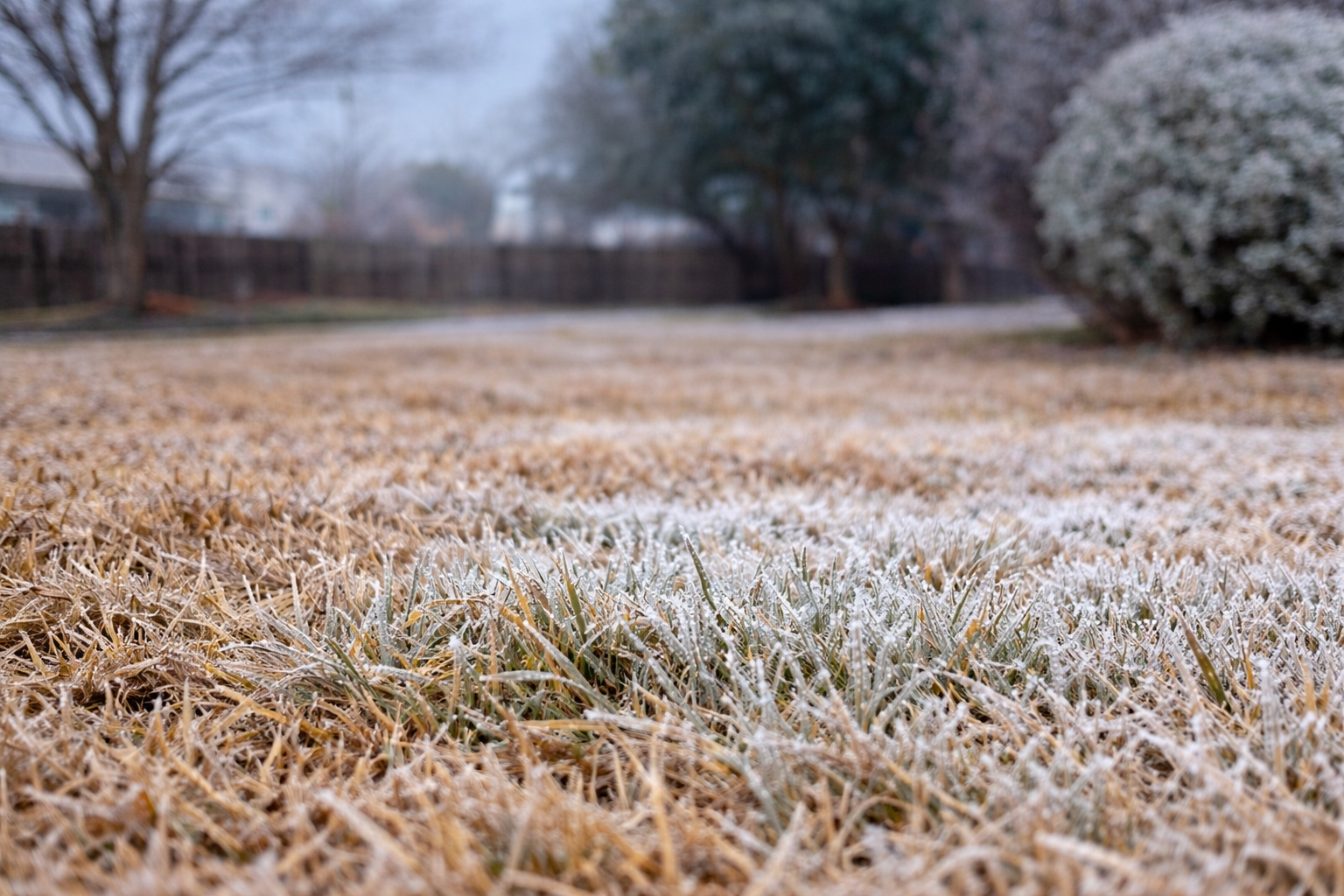
St. Augustine Grass in Winter: What Homeowners Need to Know
Wondering what happens to St. Augustine grass in winter? Learn why it turns brown, how cold weather affects your lawn, and what you can do to protect your grass and encourage healthy spring growth.
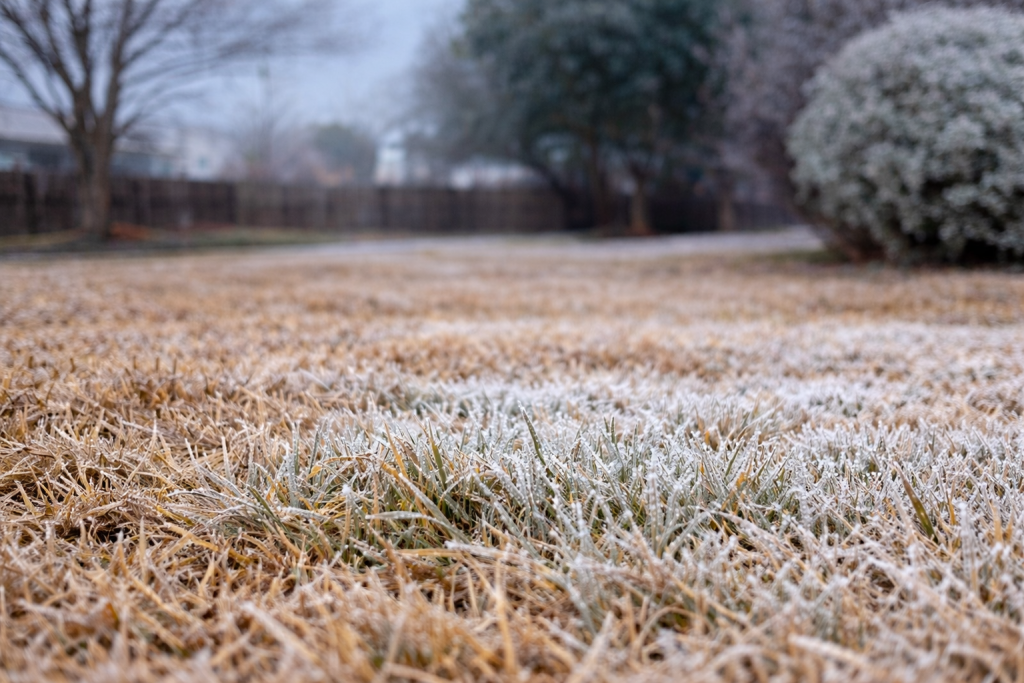 St. Augustine is a popular warm-season turfgrass in North Texas, loved for its dense texture, shade tolerance, and rich green color. But winter introduces challenges that homeowners often don’t expect — especially when cold snaps or freeze events hit the Dallas–Fort Worth area.
Understanding how St. Augustine behaves in winter makes it easier to avoid unnecessary damage, reduce stress, and prepare it for a healthy spring comeback.
Does St. Augustine Grass Go Dormant in Winter?
Yes. St. Augustine grass enters dormancy during the winter months like other warm-season grasses. Dormancy is a natural survival response triggered by shorter days and lower soil temperatures.
During dormancy, you can expect:
✔ slower growth✔ reduced water usage✔ no new stolon development✔ weaker color expression✔ increased sensitivity to foot traffic
Dormancy conserves energy so the plant can push new growth when soil temperatures rise again in spring.
Why St. Augustine Grass Turns Brown in Winter
One of the biggest homeowner questions is: “Did my grass die, or is it just dormant?”
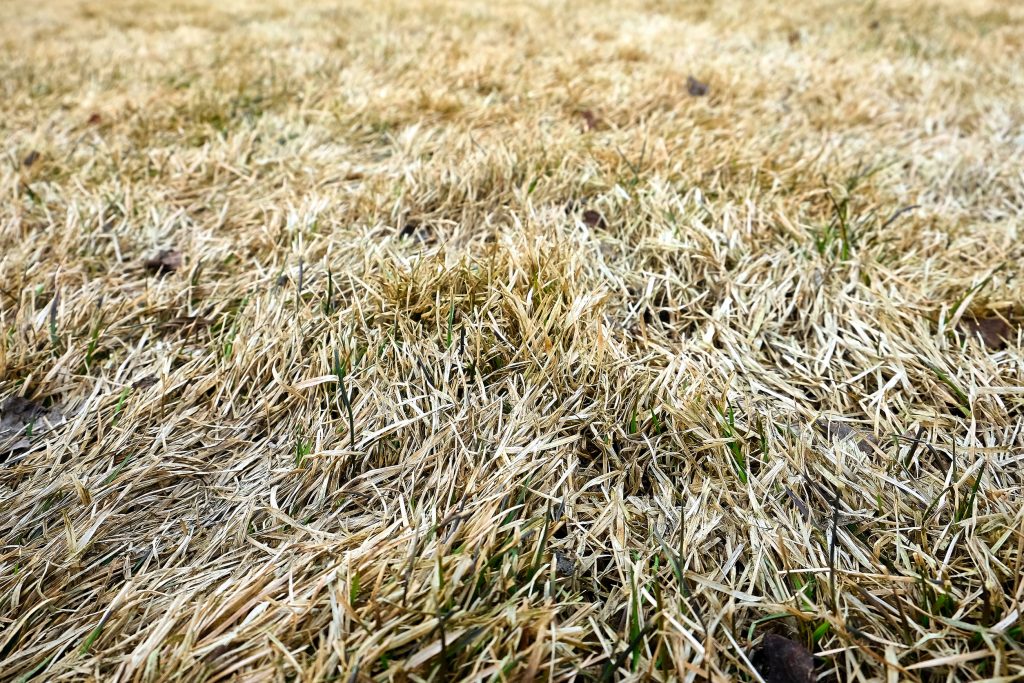
Cold weather causes chlorophyll to break down, leading to color changes. Typical winter coloration includes:
- light green fading into straw-brown
- patchy or blotchy brown areas
- darker discoloration in shaded zones
These color changes are normal and temporary.
How Cold Weather Impacts Growth and Health
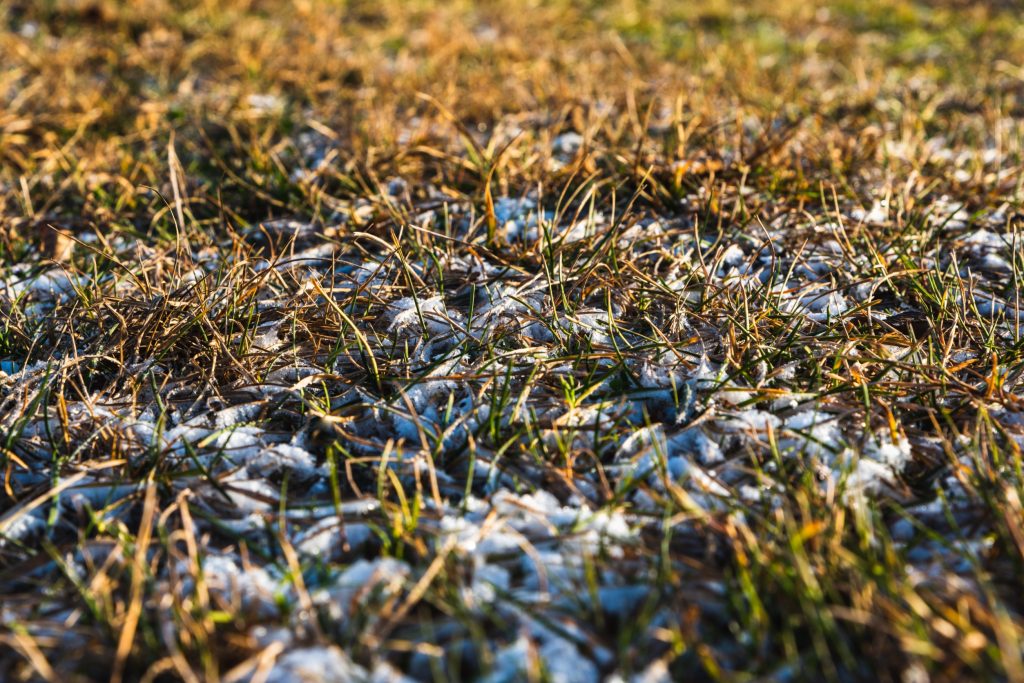
Cold weather affects St. Augustine in several specific ways:
1. Reduced Photosynthesis
Short, cloudy winter days reduce the plant’s ability to produce energy, slowing growth.
2. Slowed Root Activity
Root development decreases significantly below 55°F soil temperature.
3. Increased Crown Sensitivity
St. Augustine’s crowns are vulnerable to freeze injury during extended cold snaps.
4. Limited Recovery Until Spring
Even if injury occurs in winter, recovery won’t happen until late spring when warmer temperatures return.
Freeze Damage vs. Normal Dormancy
Cold events can cause additional injury beyond normal winter dormancy. Freeze damage may appear as:
- blade burn
- thinning patches
- brittle or mushy stolons
- delayed spring green-up
- bare spots that persist past May
In North Texas, freeze damage is more common in shaded lawns, low spots, and poorly drained soils.
What Homeowners Should Expect During Winter
Here’s what St. Augustine owners should realistically expect during winter months:
- Less color (brown/tan is normal)
- No mowing or fertilizing required
- Slowed or halted growth
- Increased weed pressure
- Higher risk in shaded or cold pockets
This is normal behavior for warm-season turf.
How to Care for St. Augustine Grass in Winter
While winter care is minimal compared to spring or summer, a few steps go a long way:
1. Stop Nitrogen Fertilizer
Late fertilization encourages tender growth that winter injury can damage.
2. Manage Foot Traffic
Dormant grass is more prone to wear and compaction.
3. Maintain Proper Mowing Height Before Winter
A slightly higher cut going into winter protects stolons and crowns.
4. Avoid Applying Herbicides During Cold Weather
Cold temperatures slow the breakdown of herbicides by grass, and applying them in winter can stress the lawn.
5. Keep Leaves Off the Lawn
Leaf buildup traps moisture and fungus — light raking helps.
Preparing for Spring Recovery
As temperatures rise, St. Augustine greens up later than Bermuda — typically between mid-April to May in North Texas.
To support recovery:
- Apply balanced spring fertilization
- Consider topdressing thin areas
- Irrigate during dry warm spells
- Monitor for fungus (especially in shade)
- Address spring weeds early in the season
A greener, thicker lawn starts with the right spring fertilization. Book a lawn fertilization service with JC’s Landscaping now and get your yard ready for the season ahead.
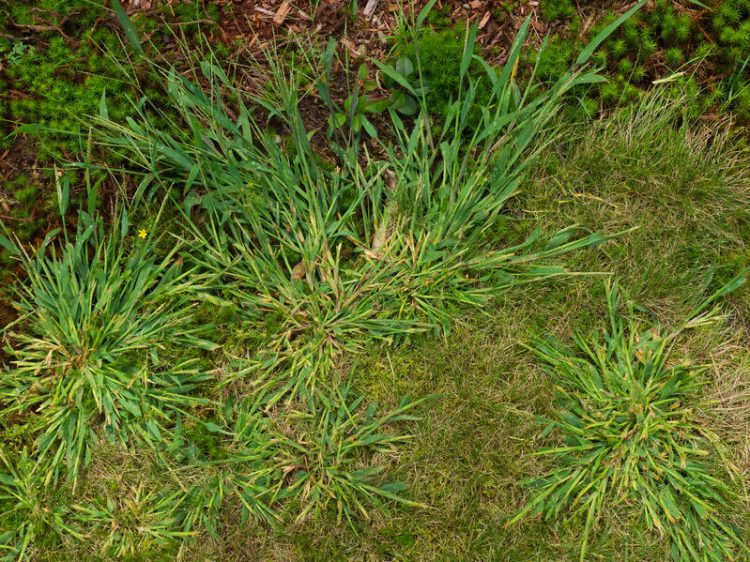
When to Worry: Signs of Winter Injury
If you’re seeing bare patches that last into late spring, mushy or rotten stolons, uneven green-up across the yard, or thinning in shaded spots, it’s a good idea to have your lawn checked. These signs can point to freeze damage, shade stress, or even pests and disease.
Final Takeaway
Winter dormancy and browning are normal for St. Augustine grass, but freeze events, shading, and cultural practices can influence how well the lawn rebounds in spring. With proper winter care and a strong spring recovery plan, St. Augustine returns thick, green, and vigorous once soil temperatures warm up.
If your St. Augustine lawn shows cold damage or slow recovery this spring, JC’s Landscaping can assess the health of your turf and recommend a customized treatment plan to restore density and color. We service lawns across DFW and specialize in warm-season grass care.
FAQ about St. Augustine Grass in Winter
What happens to St. Augustine grass in the winter?
St. Augustine grass enters dormancy when temperatures drop, slowing its growth and conserving energy through the colder months.
What does dormant St. Augustine grass look like?
Dormant St. Augustine turns tan or light brown and may appear dry or patchy, but the underlying stolons and crowns remain alive below the surface. It often looks “dead” to homeowners even though it’s healthy and resting.
What month does St. Augustine grass go dormant?
In North Texas, St. Augustine typically enters dormancy between late November and December, depending on soil temperature and day length. Hard freezes can speed up the transition.
How do you take care of St. Augustine grass in the fall?
Fall care focuses on preparing for winter by mowing slightly higher, reducing nitrogen fertilizer, managing leaf buildup, and applying pre-emergent if needed for winter weeds. This helps protect stolons and encourages healthier spring recovery.
 M Valdivia
As a seasoned content manager with a background in education and human development, I bring a unique perspective to lawn care and landscaping topics. For the past four years, I've specialized in creating clear, helpful, and research-backed content for homeowners across North Texas and beyond. While I don’t have a landscaping degree, I collaborate closely with lawn care professionals to ensure every article is accurate, practical, and easy to follow.
Request a Free Quote
Get a customized estimate for your project.
Get Free Quote (972) 571-7899Why Choose Us
- 20+ years experience
- Licensed & insured
- Free estimates
- 100% satisfaction guarantee
- Locally owned & operated
Service Areas
Frisco, Plano, McKinney, Dallas, Allen, Carrollton, Melissa, Lewisville, Grapevine, Little Elm, The Colony, Prosper, Celina, Castle Hills, Fort Worth
Ready to Get Started?
Contact us today for a free estimate on your project.