
How to Prepare Lawn for Fall: A Guide for Seasonal Success
Preparing your lawn for fall can help it stay healthy and resilient through cooler weather. Learn how to prepare warm-season grasses for fall with proper mowing, aeration, fertilization, weed control, watering, and pest management. These practical tips can help North Texas homeowners get their lawns ready for winter and encourage healthier growth next spring.

Fall is a crucial time to prepare your lawn for the upcoming cooler months, ensuring that it remains healthy, lush, and resilient. In North Texas, where warm-season turfgrasses like Zoysia, St. Augustine, and Bermuda grasses thrive, specific steps need to be taken to ensure their successful transition into cooler seasons.
This article will provide you with a comprehensive guide on how to prepare your lawn for fall in North Texas, focusing on the unique needs of these warm-season turfgrasses.
Mowing and Trimming
Before the cooler weather sets in, it’s important to adjust your mowing height gradually for warm-season turfgrasses. Start by gradually reducing the mowing height to the lower end of the recommended range for your specific grass type.
For Zoysia grass, trim it to about 1-2 inches, Bermuda grass to 1-2 inches, and St. Augustine grass to 2.5-3.5 inches. However, never mow off more than one-third of the grass blade at a time, as it will stress the turf.
Aerating and Dethatching
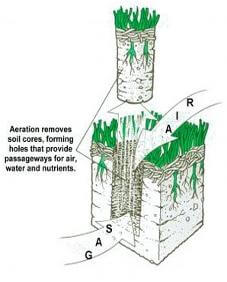
Fall is an excellent time to aerate and dethatch warm-season turfgrasses. Aeration allows for better air, water, and nutrient penetration to the grassroots.
Use a core aerator to remove small plugs of soil across the lawn. Check out our aeration service page to find out how we can help.
Dethatching helps remove excessive thatch buildup, which can prevent proper water and nutrient absorption. Use a dethatching rake or power dethatcher to remove the thatch layer.
Lawn Fertilization
Fall is the ideal time to apply a slow-release nitrogen fertilizer to your warm-season turfgrass. Look for a fertilizer with a higher ratio of nitrogen (N) and a lower ratio of phosphorus (P) and potassium (K).
Follow the instructions on the product label, applying the fertilizer evenly across the lawn. Ensure that the grass is well-watered before and after fertilization to prevent burning.
Chalmers and McAfee (n.d.) the best fertilizer for your lawn is one that contains the ratio of these three nutrients needed as indicated by your soil test results. Garden stores and Amazon have many affordable and easy to use soil test kits.
Or just contact us. Lawn fertilization services are one of our specialties. Let us do the hard work for you.
Weed Control
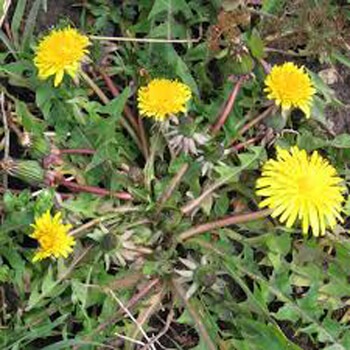
Taking proactive steps to control weeds in the fall will help ensure a healthy lawn. Apply an herbicide specifically formulated for warm-season grasses, targeting common fall weeds such as dandelions, henbit and chickweed.
Follow the instructions carefully and ensure the product is compatible with your grass type. For existing weeds, consider spot-treating them or pulling them by hand.
For more tips read, “How to Apply Weed Control to Your Lawn.”
Irrigation
As the temperature begins to cool in North Texas, adjust your watering schedule accordingly.
Reduce both the frequency and duration of your irrigation, allowing the turfgrass to gradually acclimate to cooler temperatures and promoting stronger root growth.
Aim for around 1 inch of water per week, including rainfall. Water deeply but infrequently to encourage deeper root penetration. It is good to get your irrigation system checked out at least once a year. Hop on over to our irrigation service page for the scoop.
Sod Installation
By planting fresh sod, you will fill in any gaps in your lawn. You will boost the overall growth of your lawn, and make sure that it is well-equipped to withstand colder temperatures and harsh weather.
Pest and Disease Management for Lawn
Monitor your lawn regularly for signs of pests or diseases. Chinch bugs, armyworms, and brown patch fungus are common issues in warm-season turfgrasses.
If you notice any signs of distress, such as browning or discoloration, consult with JC’s Landscaping for proper diagnosis and treatment options.

Wrapping Up
By following these essential steps, you can proactively prepare your warm-season turfgrass for the fall season in North Texas.
Taking the time to properly care for and maintain your lawn will result in a healthier, more vibrant landscape that will be better equipped to withstand the cooler months ahead. Contact us for any help with lawn services Mckinney needs you may have.
References:
Chalmers, D and McAfee, J. (n.d.). Lawn fertilization for warm-season grasses. Texas A&M AgriLife Extension. https://bexar-tx.tamu.edu/files/2014/08/Lawn-Fertilization-for-Texas-Warm-Season-Grasses.pdf

M Valdivia
As a seasoned content manager with a background in education and human development, I bring a unique perspective to lawn care and landscaping topics. For the past four years, I've specialized in creating clear, helpful, and research-backed content for homeowners across North Texas and beyond. While I don’t have a landscaping degree, I collaborate closely with lawn care professionals to ensure every article is accurate, practical, and easy to follow.Request a Free Quote
Get a customized estimate for your project.
Get Free Quote (972) 571-7899Why Choose Us
- 20+ years experience
- Licensed & insured
- Free estimates
- 100% satisfaction guarantee
- Locally owned & operated
Service Areas
Frisco, Plano, McKinney, Dallas, Allen, Carrollton, Melissa, Lewisville, Grapevine, Little Elm, The Colony, Prosper, Celina, Castle Hills, Fort Worth
Ready to Get Started?
Contact us today for a free estimate on your project.