
How to Get Rid of White Clover in My Lawn | Smart Solutions
Learn how to get rid of white clover in your lawn with effective removal and weed control methods. Discover what causes clover and how to keep it from coming back.
 If you’ve ever looked out at your yard and noticed patches of clover creeping through your grass, you’re not alone. While some homeowners don’t mind the look of clover, many prefer a uniform, weed-free lawn. If you’ve been asking yourself how to get rid of white clover in my lawn, you’ve come to the right place. In this guide, we’ll walk you through why clover appears, what encourages it to spread, and most importantly, how to remove it.
Why Is White Clover a Problem?
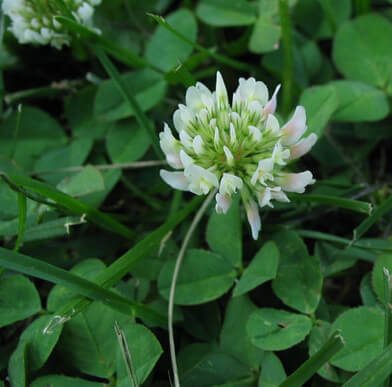
White clover is a low-growing perennial weed that thrives in lawns with poor soil health, compacted soil, or low nitrogen levels. Its creeping stems (stolons) allow it to spread rapidly, forming dense patches that crowd out grass.
While clover does have some benefits—like fixing nitrogen in the soil and supporting pollinators—its presence often signals underlying lawn issues. Homeowners dislike its uneven texture, white flowers (which attract bees), and tendency to dominate weakened turf.
Step 1: Identify White Clover
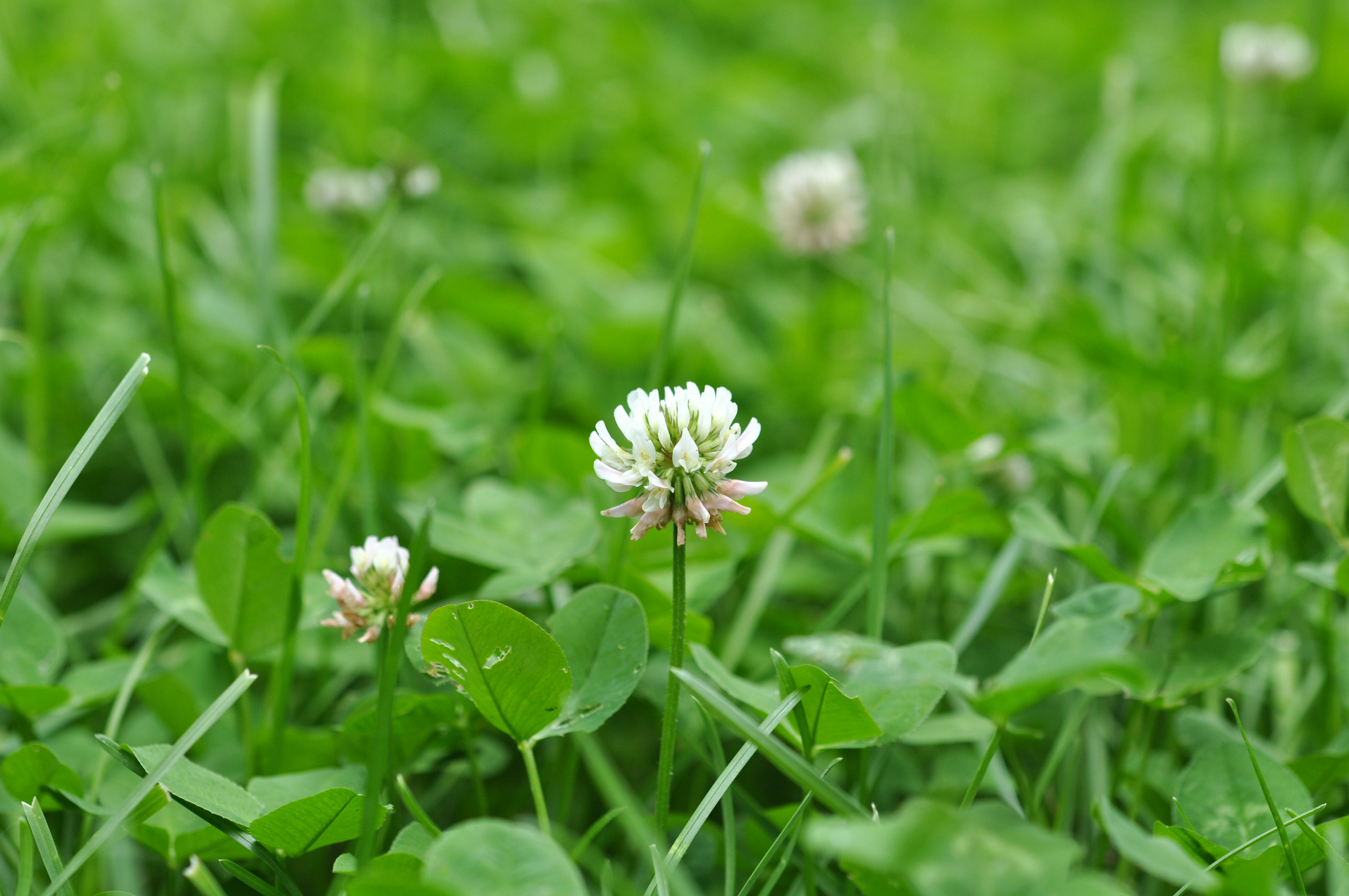
Before taking action, confirm you’re dealing with white clover:
- Leaves: Three oval leaflets with a faint white crescent marking.
- Flowers: Small, round, white (or pink-tinged) blooms in late spring and summer.
- Growth Habit: Forms low, mat-like patches with stems that root at nodes.
If unsure, snap a photo and consult a landscaping professional like JC’s team for confirmation.
Step 2: Manual Removal
For small infestations, manual removal is a simple, chemical-free solution:
- Water the Area: Soften the soil by watering the clover patch thoroughly.
- Dig Deep: Use a hand trowel or weeding tool to lift the clover, ensuring you remove the entire root system.
- Reseed Bare Spots: After removal, fill gaps with grass seed that matches your lawn type to prevent weeds from returning.
Pro Tip: Work on a cool, cloudy day to minimize stress on surrounding grass.
Step 3: Improve Soil Health
White clover thrives in poor soil conditions. Correcting these issues weakens clover and strengthens your grass:
A. Test Your Soil A soil test (available at garden centers) will reveal pH and nutrient deficiencies. Clover prefers slightly acidic to neutral soil (pH 6.0–7.0) and low nitrogen.
B. Adjust Fertilization
- Apply Nitrogen-Rich Fertilizer: Clover struggles in nitrogen-rich environments. Use a slow-release granular fertilizer (e.g., 20-5-10 NPK ratio) in spring and fall.
- Avoid Overwatering: Clover loves moisture. Water deeply but infrequently to encourage deep grass roots.
C. Aerate Compacted Soil Compacted soil stifles grass growth but suits clover’s shallow roots. Rent a core aerator or hire JC’s team to aerate your lawn. Go to our Lawn Aeration Service page for details.
Step 4: Use Targeted Herbicides
For severe infestations, herbicides may be necessary. Choose products carefully to protect your grass and environment:
A. Post-Emergent Herbicides Look for herbicides labeled for broadleaf weeds and containing:
- Dicamba
- MCPP
- 2,4-D
Application Tips:
- Spray on a calm, dry day to avoid drift.
- Avoid mowing 2–3 days before/after application.
- Reapply as directed (clover can regrow from missed roots).
B. Organic Alternatives
- Vinegar Solution: Mix 1 gallon white vinegar, 1 cup salt, and 1 tbsp dish soap. Spray directly on clover (avoid grass).
- Corn Gluten Meal: Apply in early spring as a pre-emergent to inhibit clover seed germination.
Tired of Weeds Taking Over Your Lawn?Take back control with professional weed control that works. Contact JC’s today for a healthier, greener yard — no more pulling weeds by hand!

Step 5: Adjust Lawn Care Practices
Prevent clover from returning with these proactive strategies:
A. Mow High Set your mower blade to 3–4 inches. Taller grass shades the soil, blocking sunlight from clover seeds.
B. Overseed AnnuallyThicken your lawn by overseeding with high-quality grass seed. Robust turf leaves no room for weeds.
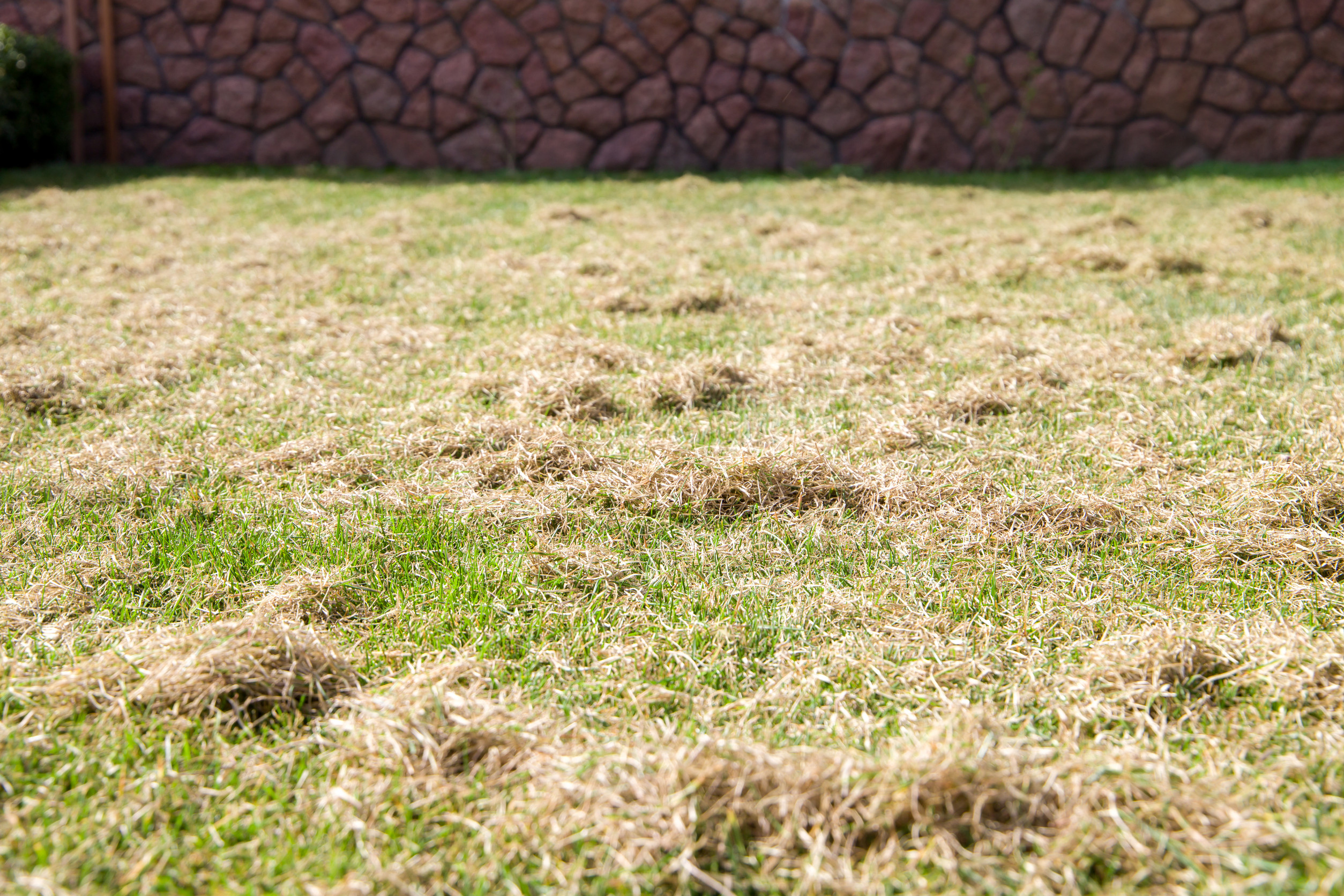
C. Dethatch Remove thatch (dead grass buildup) in early spring to improve soil contact for grass seed and reduce clover-friendly conditions.
Step 6: Embrace Preventative Measures
A. Apply Pre-Emergent Herbicides In early spring, use a pre-emergent like prodiamine to stop clover seeds from sprouting.
B. Monitor Regularly Inspect your lawn weekly. Address clover patches immediately before they spread.
When to Call JC’s Landscaping
If DIY methods aren’t working—or you’d rather spend your weekends enjoying your lawn instead of maintaining it—JC’s Landscaping is here to help. Our experts offer:
- Customized fertilization/aeration plans
- Professional herbicide applications
- Year-round lawn health programs
Final Thoughts
White clover can be a persistent and frustrating weed, but with the right approach, you can regain control of your yard. Whether you prefer natural remedies or targeted herbicides, consistency is key to seeing results. If you’ve been wondering how to get rid of white clover in my lawn, now you have the tools and knowledge to tackle the problem effectively.
 M Valdivia
As a seasoned content manager with a background in education and human development, I bring a unique perspective to lawn care and landscaping topics. For the past four years, I've specialized in creating clear, helpful, and research-backed content for homeowners across North Texas and beyond. While I don’t have a landscaping degree, I collaborate closely with lawn care professionals to ensure every article is accurate, practical, and easy to follow.
Request a Free Quote
Get a customized estimate for your project.
Get Free Quote (972) 571-7899Why Choose Us
- 20+ years experience
- Licensed & insured
- Free estimates
- 100% satisfaction guarantee
- Locally owned & operated
Service Areas
Frisco, Plano, McKinney, Dallas, Allen, Carrollton, Melissa, Lewisville, Grapevine, Little Elm, The Colony, Prosper, Celina, Castle Hills, Fort Worth
Ready to Get Started?
Contact us today for a free estimate on your project.