
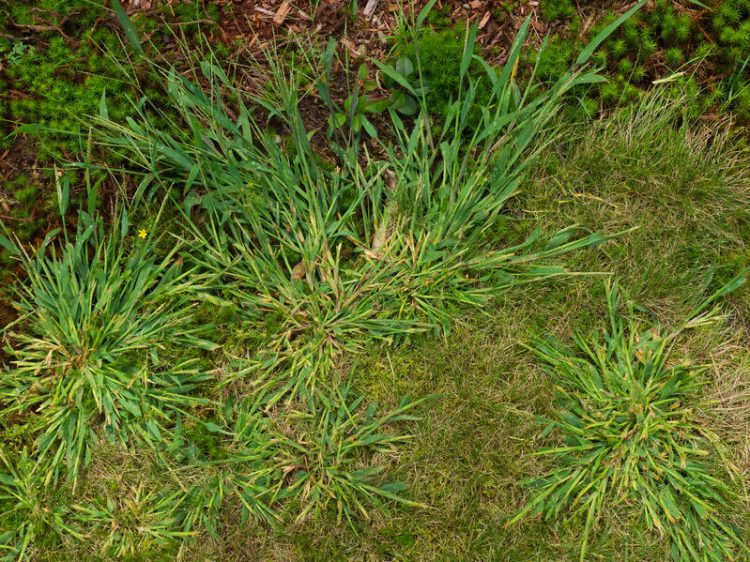
Which Weeds are Controlled with Pre-Emegents
Pre-emergent herbicides can help stop many common lawn weeds before they have a chance to grow. Learn which weeds are controlled with pre-emergents, how these treatments work, and why proper application timing is important for effective weed prevention. Discover how pre-emergent weed control can help keep North Texas lawns healthier and easier to maintain.

Weeds are a relentless nuisance for any homeowner striving for a pristine lawn. To combat these unwelcome intruders, utilizing pre-emergent herbicides can be a highly effective prevention strategy. In this article, we will delve into the types of weeds that can be controlled with pre-emergents and the best practices for application.
What are Pre-Emergent Herbicides?
Pre-emergent herbicides work by preventing weed seeds from germinating. They create a barrier in the soil that inhibits the growth of weed seedlings, allowing you to stop weeds before they become a problem in your lawn.
Check out our helpful list of pre-emergent herbicides.
When do I Apply Pre-emergents?
Timing is crucial when applying pre-emergent herbicides. For summer weeds(mostly crabgrass and sandburs), it is recommended to apply pre-emergents in early spring before soil temperatures consistently reach 55-60°F.
Use a soil thermometer if you want to be certain about the soil temperature. Do not use a weed and feed product for this application. It is too early for your lawn to get fertilizer. Lawns need to be actively growing to have lawn fertilizer applied.
For the North Texas area the first application is typically between March 5-15th. Around 3 months later, sometime in June, your lawn will need a second application of pre-emergent herbicides. Think of it as a booster shot for your lawn. Don’t waste your time doing the second application if you didn’t do the first one.
Your lawn will also need two fall applications- one for grassy weeds like bluegrass and ryegrass. The second application will treat broadleaf weeds like clover, henbit, chickweed, and dandelions. This should be done in the beginning to middle of September.
Grubbs (n.d.) says fall applications can be made several months later when soil temperatures decrease to approximately 70°F for several days.
Summer Weeds Controlled by Pre-emergents
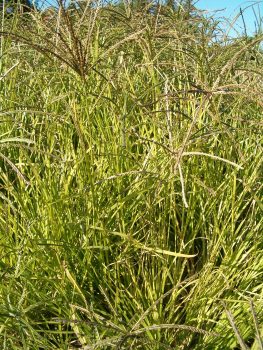
Crabgrass: This common weed spreads rapidly and thrives in warm conditions. Apply pre-emergents in early spring.Goosegrass: Resistant to many herbicides, goosegrass grows in compacted soil. Early spring application is key.Sandburs: Known for its sharp spiky burrs, sandburs often infest sandy soils. Apply pre-emergents in early spring.
Dorwood (2018) advises dallisgrass is another weed that causes problems in lawns during the summer; it’s a perennial that recovers from rhizomes in the spring, but also produces seeds that spread throughout the lawn. Dallisgrass can be controlled by spot-treating the plants with a contact herbicide.
Winter Weeds Controlled by Pre-emergents
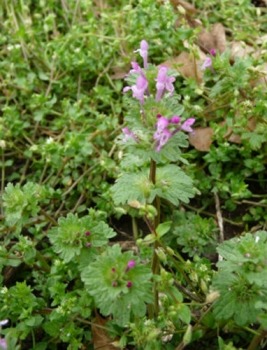
Johnsongrass: A perennial grass that spreads through seeds and rhizomes. Apply pre-emergents in late summer.Henbit: An annual weed that features purple flowers. Apply pre-emergents in early fall.Poa Annua: Also known as annual bluegrass, this weed spreads through seeds. Apply pre-emergents in late summer.Spurge: A prolific summer weed with a milky sap. Apply pre-emergents in early fall.Dandelion: Commonly recognized by its yellow flowers, dandelions spread through seeds. Apply pre-emergents in early fall.Chickweed: A low-growing winter annual that thrives in cool, moist conditions. Apply pre-emergents in late summer. Find out how to prevent winter weeds in lawn.
The Best Defense Against Weeds
While pre-emergent herbicides can provide excellent weed control, maintaining a healthy lawn is essential for long-term weed prevention. Regular watering, mowing at the correct height, and proper fertilization can help your grass outcompete weeds and maintain a lush appearance. Contact us for information on our lawn care in McKinney.
Conclusion
In conclusion, pre-emergent herbicides can be a valuable tool in your weed control arsenal. By understanding the types of weeds controlled by pre-emergents and the optimal application timings, you can effectively safeguard your lawn from invasive plants. Combine the use of pre-emergents with good lawn maintenance practices to enjoy a healthy, weed-free lawn year-round.
References
Dorwood, Chelsea. (2018, March 1). Pre-emergent weed control. Extension Education in Bosque County. https://bosque.agrilife.org/2018/03/01/pre-emergent-weed-control/
Grubbs, Becky. (n.d.). Preemergence herbicides for the home lawn. Texas A&M Agrilife Extension. https://aggieturf.tamu.edu/uploads/sites/24/Preemergence-Herbicide-Guide-4.pdf

M Valdivia
As a seasoned content manager with a background in education and human development, I bring a unique perspective to lawn care and landscaping topics. For the past four years, I've specialized in creating clear, helpful, and research-backed content for homeowners across North Texas and beyond. While I don’t have a landscaping degree, I collaborate closely with lawn care professionals to ensure every article is accurate, practical, and easy to follow.Request a Free Quote
Get a customized estimate for your project.
Get Free Quote (972) 571-7899Why Choose Us
- 20+ years experience
- Licensed & insured
- Free estimates
- 100% satisfaction guarantee
- Locally owned & operated
Service Areas
Frisco, Plano, McKinney, Dallas, Allen, Carrollton, Melissa, Lewisville, Grapevine, Little Elm, The Colony, Prosper, Celina, Castle Hills, Fort Worth
Ready to Get Started?
Contact us today for a free estimate on your project.