
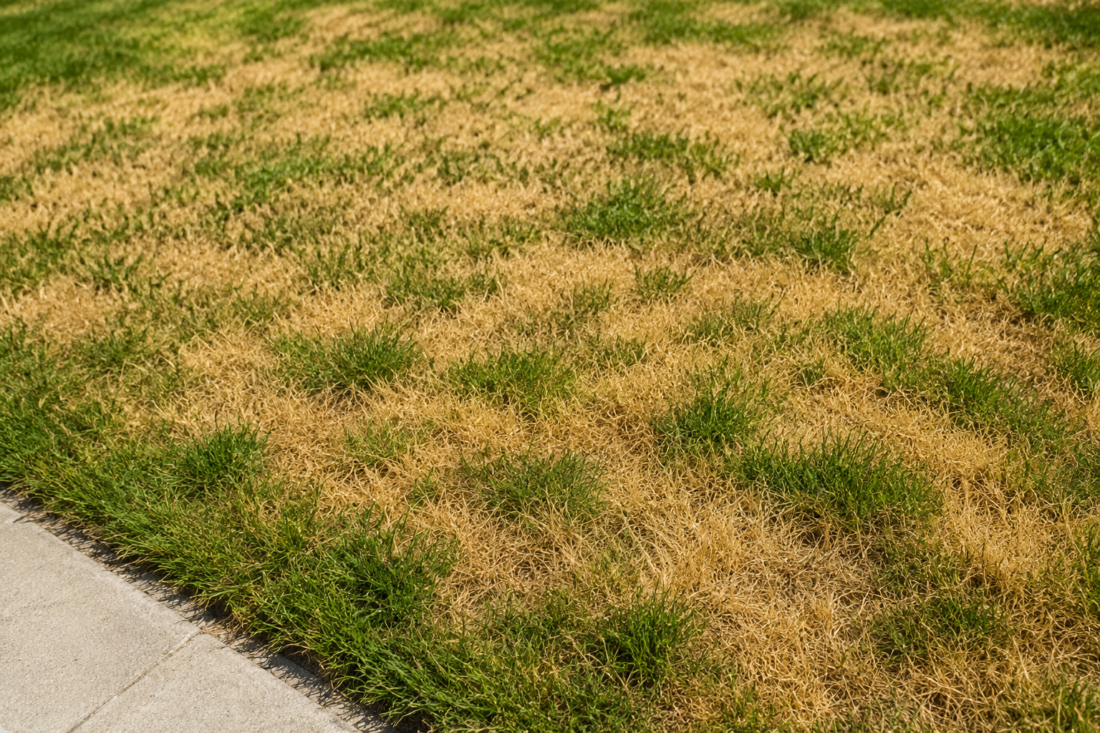
What Causes Yellow Grass?
Wondering why your grass is turning yellow? From improper watering and nutrient deficiencies to lawn diseases and insect damage, several factors can cause your lawn to lose its healthy green color. Learn the most common causes of yellow grass, how to identify the problem, and the best solutions to restore a lush, vibrant lawn.
A healthy lawn should be lush, green, and growing steadily throughout the season. If your grass is turning yellow, it's a sign that something is stressing your lawn. Fortunately, yellow grass is often treatable once you identify the underlying cause.
Yellow grass can result from underwatering, overwatering, nutrient deficiencies, compacted soil, lawn diseases, pet urine, insect damage, or seasonal dormancy. Knowing the difference can help you restore your lawn before permanent damage occurs.
Learn some soil health secrets.
The Most Common Causes of Yellow Grass
While there are many possible reasons, these are the issues professional landscapers encounter most often.
| CauseCommon SymptomsSolution | ||
| Underwatering | Dry, brittle, yellow grass | Water deeply and consistently |
| Overwatering | Yellow grass with soggy soil | Reduce irrigation and improve drainage |
| Nitrogen deficiency | Uniform pale yellow lawn | Apply a balanced fertilizer |
| Lawn disease | Yellow or brown patches | Treat with appropriate fungicide if necessary |
| Grub damage | Grass lifts easily from the soil | Apply grub control |
| Pet urine | Small yellow spots with green edges | Flush affected areas with water |
| Soil compaction | Thin, yellow grass in high-traffic areas | Core aerate the lawn |
| Seasonal dormancy | Entire lawn turns yellow or tan | Wait for growing conditions to improve |
Common Causes of Yellow Grass
1. Underwatering
One of the most common causes of yellow grass is a lack of water.
When grass doesn't receive enough moisture, it begins conserving energy by slowing growth and losing its green color.
Signs include:
- Dry, crunchy blades
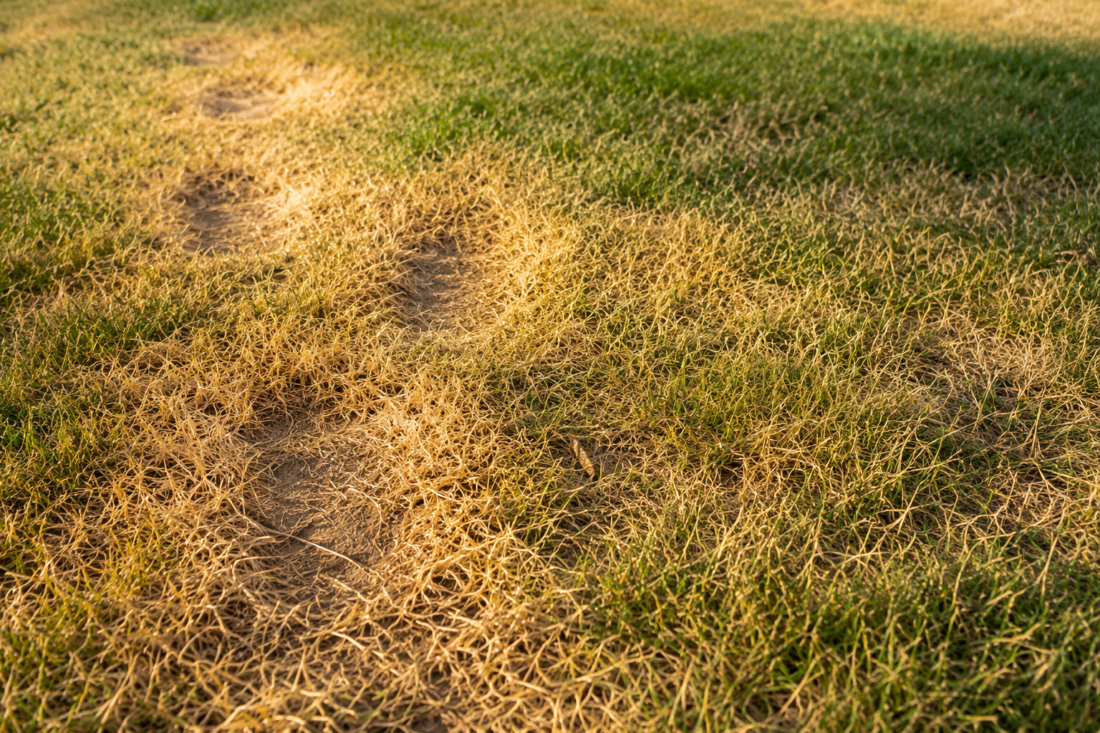
- Footprints that remain visible after walking
- Soil that feels dry several inches below the surface
- Yellowing beginning in sunny areas
How to Fix It
Water deeply one or two times per week instead of watering lightly every day. Deep watering encourages stronger root growth and improves drought tolerance.
2. Overwatering
Too much water can be just as harmful as too little.
Excess moisture prevents oxygen from reaching the roots and encourages fungal diseases that cause yellowing.
Signs include:
- Constantly wet soil
- Mushy turf
- Fungus or mushrooms
- Thin grass growth
How to Fix It
Reduce irrigation frequency and allow the soil to dry between watering cycles. If drainage is poor, consider improving soil structure or installing drainage solutions.
3. Nitrogen Deficiency
Nitrogen is responsible for producing the rich green color homeowners expect from their lawn.
When nitrogen levels are low, grass often becomes pale green before turning yellow.
Symptoms include:
- Even yellowing across the lawn
- Slow growth
- Thin turf
How to Fix It
Apply a slow-release fertilizer designed for your grass type. Avoid over-fertilizing, which can burn the lawn.
4. Soil Compaction
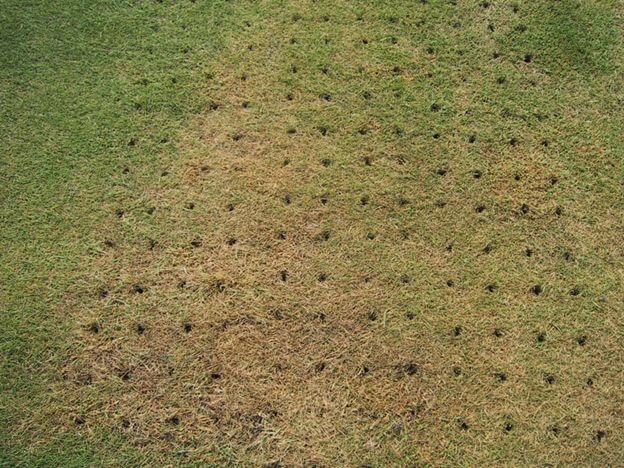
Heavy foot traffic compresses the soil, limiting airflow and making it difficult for roots to absorb water and nutrients.
Common areas include:
- Walkways
- Play areas
- Around patios
- Along driveways
How to Fix It
Core aeration loosens compacted soil, allowing air, water, and nutrients to reach the root zone.
5. Lawn Diseases
Several fungal diseases cause grass to yellow before turning brown.
Common lawn diseases include:
Diseases are more common during periods of high humidity and excessive moisture.
How to Fix It
Improve airflow, avoid watering late in the evening, and consult a lawn care professional if disease spreads quickly.
6. Insect Damage
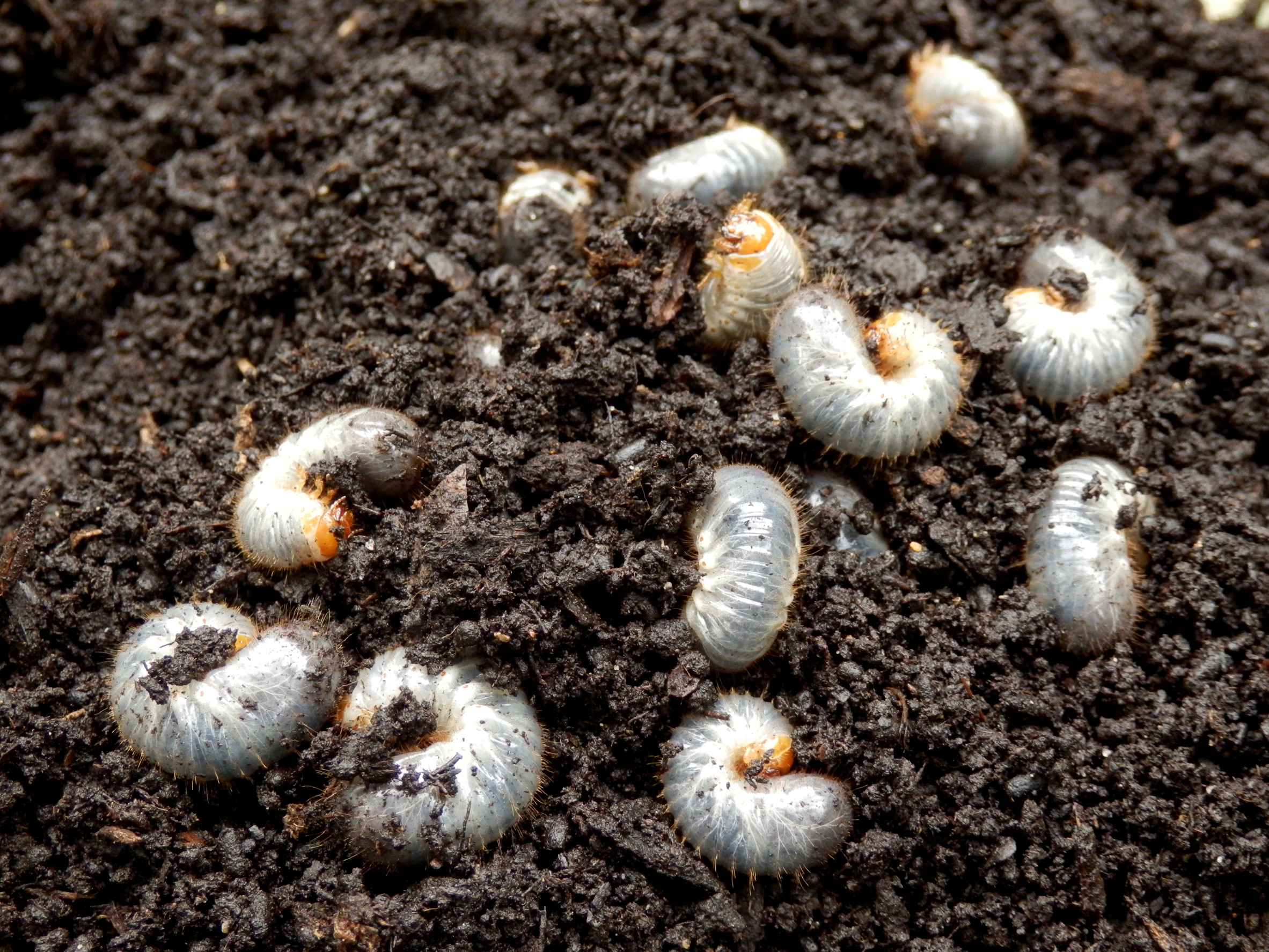
Grubs and other lawn insects feed on grass roots, causing yellow patches that continue expanding over time.
Signs include:
- Grass pulls up easily
- Birds digging in the lawn
- Irregular yellow patches
- Visible grubs beneath the soil
How to Fix It
Apply an appropriate insect control product or schedule professional lawn treatment. Read how to get rid of grubs.
7. Pet Urine
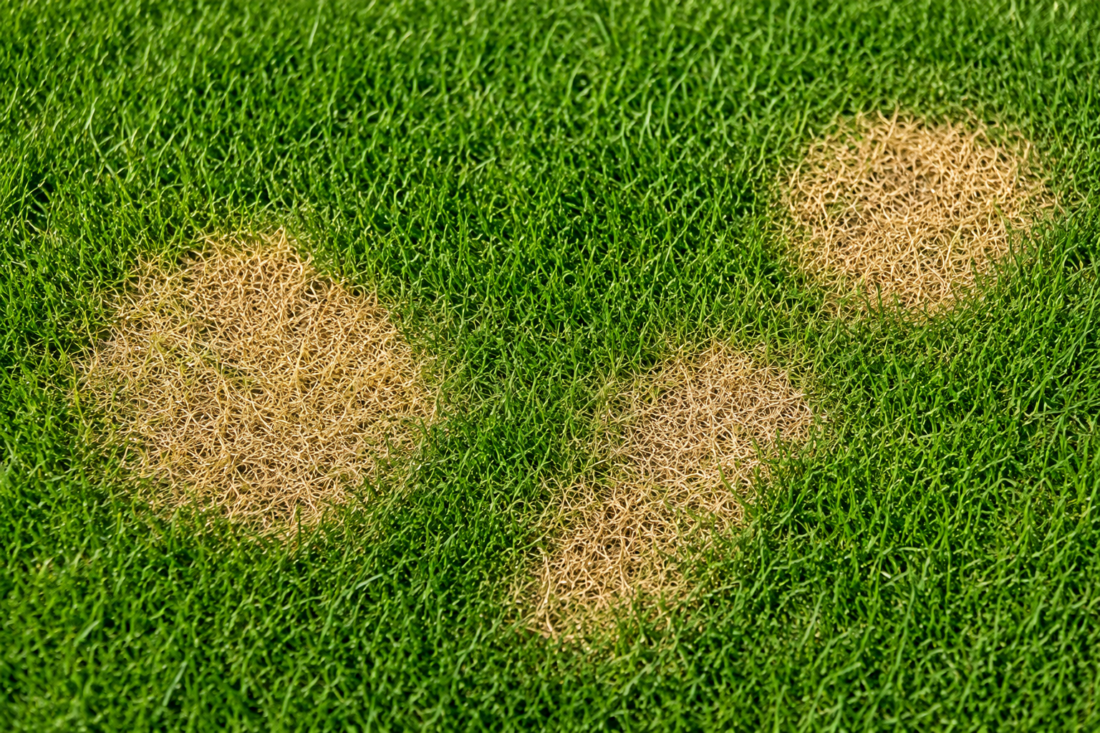
Dog urine contains concentrated nitrogen and salts that can burn grass.
You'll typically notice:
- Small circular yellow patches
- Dark green rings surrounding the damaged area
How to Fix It
Water the area immediately after your pet urinates to dilute the salts. Consider training pets to use designated areas.
8. Seasonal Dormancy
Not all yellow grass is unhealthy.
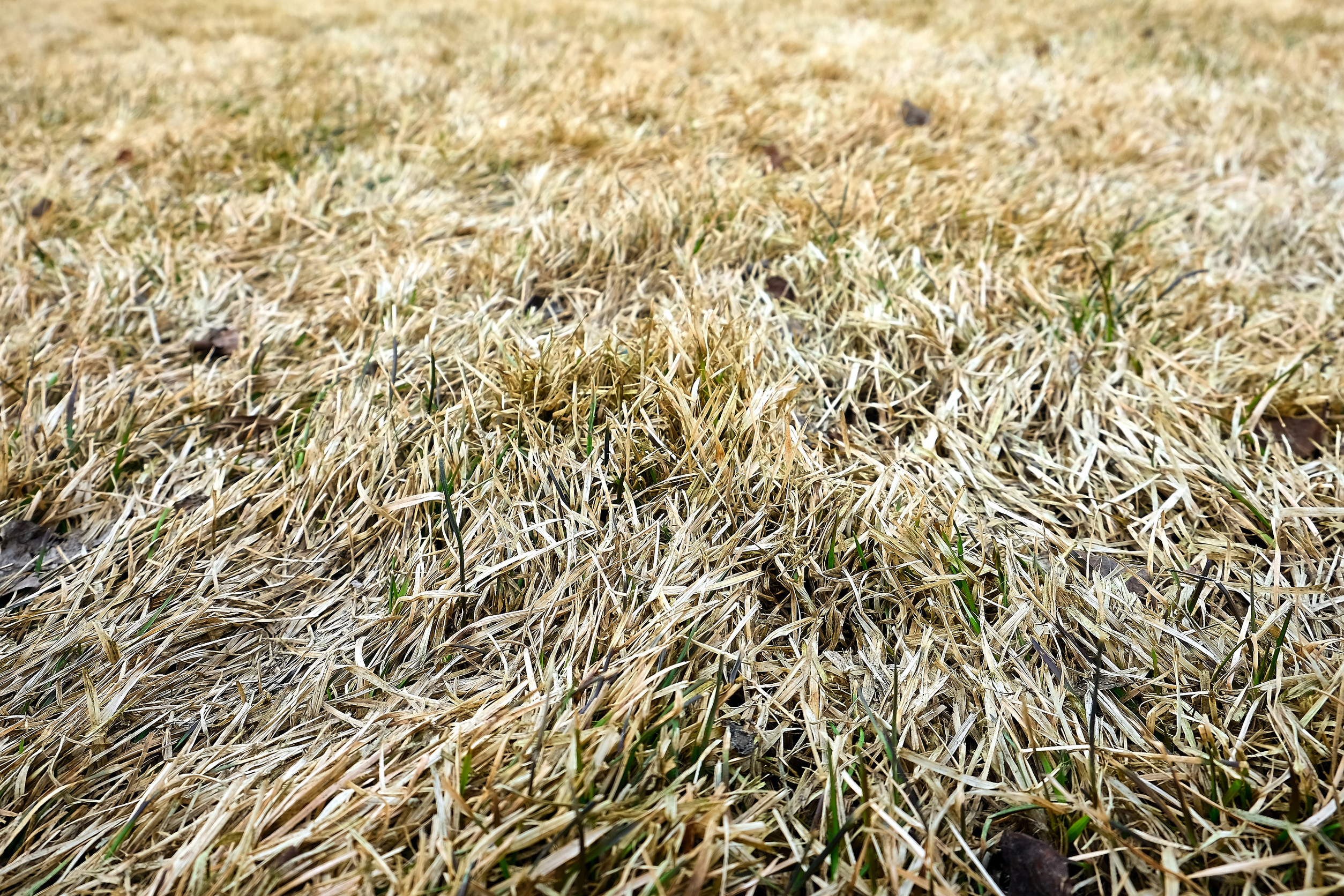
Warm-season grasses like Bermuda and Zoysia naturally turn tan or yellow during cooler months as they enter dormancy.
Dormant grass should:
- Have firm roots
- Show no signs of disease
- Green up once temperatures rise
Dormancy is a normal part of the grass growth cycle.
How to Keep Grass Green Year-Round
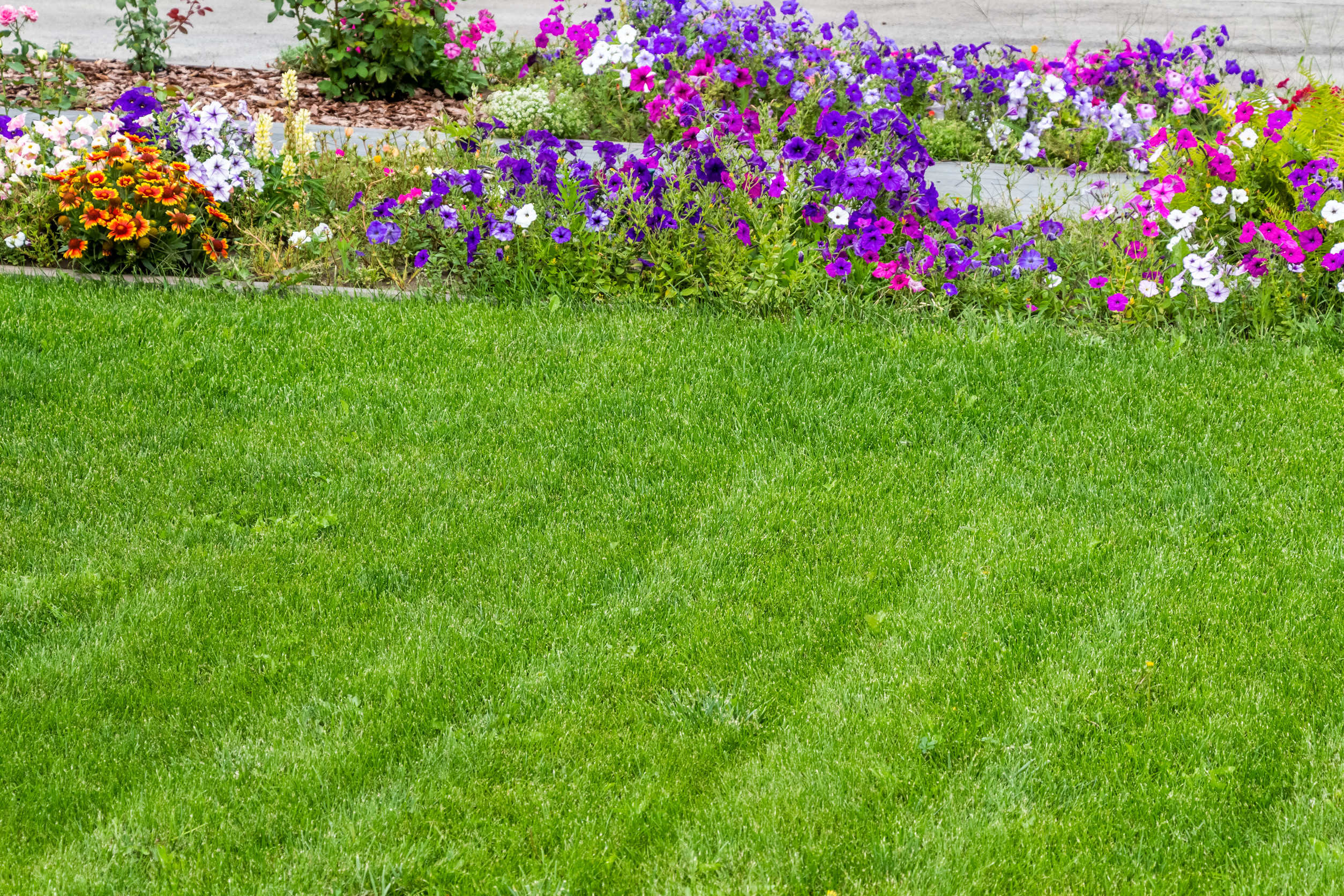
Healthy lawn care practices reduce the likelihood of yellow grass.
Best practices include:
- Water deeply but infrequently.
- Fertilize according to your grass type.
- Mow at the proper height.
- Sharpen mower blades regularly.
- Aerate compacted soil annually.
- Treat lawn diseases promptly.
- Control insects before infestations spread.
- Test your soil every few years.
When Should You Call a Professional?
If your lawn continues turning yellow despite proper watering and fertilization, it may be time for a professional inspection.
Professional lawn care companies can identify:
- Soil deficiencies
- Drainage problems
- Lawn diseases
- Insect infestations
- Irrigation issues
- Hidden root damage
Early diagnosis often saves homeowners time, money, and the need for unnecessary lawn replacement.
Final Thoughts
Yellow grass is usually your lawn's way of telling you that something isn't right. Whether the cause is watering practices, nutrient deficiencies, pests, disease, or compacted soil, identifying the problem early gives your lawn the best chance to recover. With proper maintenance and timely care, most yellow lawns can return to a healthy, vibrant green.
A healthy, vibrant lawn starts with proper care. If your grass is turning yellow or showing other signs of stress, JC's Landscaping offers reliable lawn maintenance services that include mowing, fertilization, weed control, and seasonal care to keep your landscape looking its best. Reach out today for a free estimate.
Frequently Asked Questions
Why is my grass yellow even though I water it?
Yellow grass despite regular watering may indicate overwatering, poor drainage, nutrient deficiencies, compacted soil, insect damage, or a lawn disease rather than a lack of moisture.
Can yellow grass turn green again?
Yes. If the roots are still healthy, correcting the underlying problem often allows the grass to recover and regain its green color.
Will fertilizer fix yellow grass?
Only if a nutrient deficiency is causing the problem. Applying fertilizer to a lawn affected by disease, overwatering, or insect damage may worsen the issue.
Is yellow grass dead?
Not necessarily. Grass can appear yellow due to stress or seasonal dormancy and still recover once growing conditions improve.
How do I know if my lawn has grubs?
If the grass pulls up like a loose carpet and you find white grubs beneath the soil, insect damage is likely the cause.
Can mowing cause yellow grass?
Yes. Cutting the grass too short (known as scalping) or using dull mower blades can stress the lawn and contribute to yellowing.
Request a Free Quote
Get a customized estimate for your project.
Get Free Quote (972) 571-7899Why Choose Us
- 20+ years experience
- Licensed & insured
- Free estimates
- 100% satisfaction guarantee
- Locally owned & operated
Service Areas
Frisco, Plano, McKinney, Dallas, Allen, Carrollton, Melissa, Lewisville, Grapevine, Little Elm, The Colony, Prosper, Celina, Castle Hills, Fort Worth
Ready to Get Started?
Contact us today for a free estimate on your project.